
Fourteen Miners Killed and Seven Injured in Open-Pit Collapse in Colombia
At least fourteen miners have been killed and seven others injured following the catastrophic collapse of an open-pit gold mine in the rugged Nariño Depart
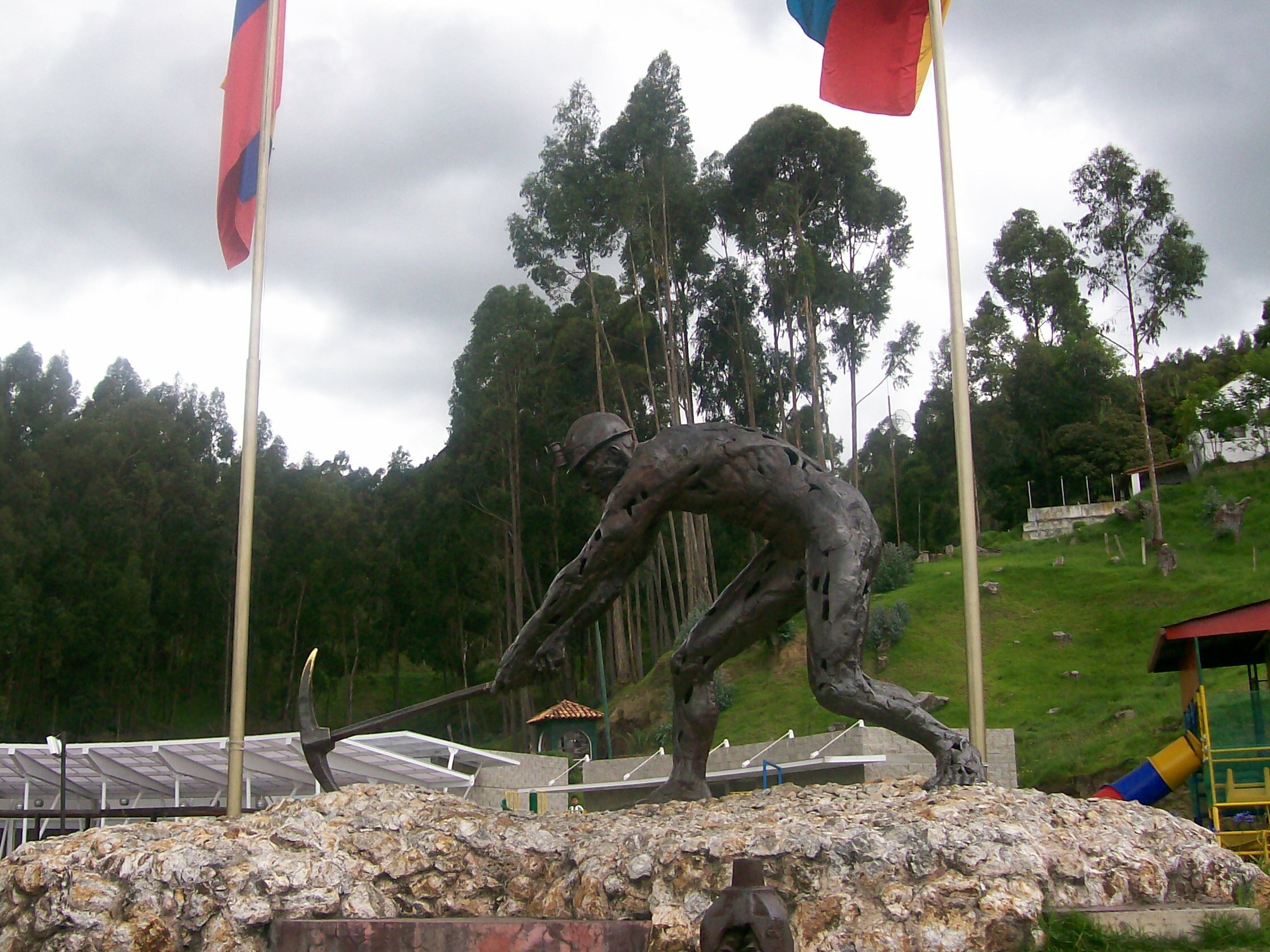
At least fourteen miners have been killed and seven others injured following the catastrophic collapse of an open-pit gold mine in the rugged Nariño Department of southwestern Colombia. Emergency response teams and local authorities have been deployed to the remote site to conduct search and rescue operations, though unstable terrain and the risk of further landslides continue to complicate recovery efforts. The incident has once again focused national attention on the severe safety hazards plaguing the country’s lucrative, yet often volatile, mineral extraction sector.
Colombia is exceptionally well-endowed with natural resources, boasting vast reserves of coal, petroleum, natural gas, nickel, and precious metals. Gold extraction, alongside significant production of platinum, silver, and the world's finest emeralds, has long formed a vital pillar of the nation's economy. However, the mineral industry is sharply divided between large-scale multinational corporations utilizing advanced engineering and a sprawling sector of artisanal and informal mining operations. Many smaller sites operate with minimal oversight, outdated technology, and a persistent disregard for basic occupational safety standards.
The incident in Nariño highlights the complex socioeconomic dynamics surrounding informal mining in rural Colombia. For decades, poverty, lack of formal employment opportunities, and the remote geography of departments like Nariño have driven local populations toward wildcat mining as a primary means of survival. While successive governments have attempted to formalize the sector to curb environmental degradation and improve worker safety, enforcement remains patchy. Illegal armed groups also frequently infiltrate or tax informal mining operations, creating a perilous intersection of criminality, state absence, and economic desperation.
Labor unions and human rights advocates have repeatedly called for more robust government intervention, arguing that economic dependence on mineral exports should not come at the cost of human lives. On the other side, mining companies and industry associations point to the bureaucratic hurdles of the formalization process, which often push marginal workers further into clandestine and hazardous conditions. Balancing the economic contributions of the resource sector—which generates substantial export revenue—with the urgent necessity of regulatory enforcement remains one of Bogotá's most persistent governance challenges.
While Colombia is geographically distant from East Asia, the broader ramifications of its resource sector resonate globally, particularly within the context of international commodity markets and supply chain ethics. As global demand for precious metals and critical minerals rises, consumer nations and international investors are facing mounting pressure to ensure that the raw materials powering modern industries are sourced through ethical, safe, and legally compliant channels. Tragedies like the one in Nariño serve as a stark reminder of the human cost embedded at the very beginning of the global supply chain, reinforcing the global imperative for stringent safety standards and responsible sourcing practices in developing resource economies.
Produced by our editorial team, with AI assistance in editing.