
Four killed as Niugini Aviation PAC P-750 crashes near Simbai Airport
A PAC P‑750 XSTOL operated by Niugini Aviation crashed while on final approach to Simbai Airport in Madang Province, Papua New Guinea, on the afternoon of
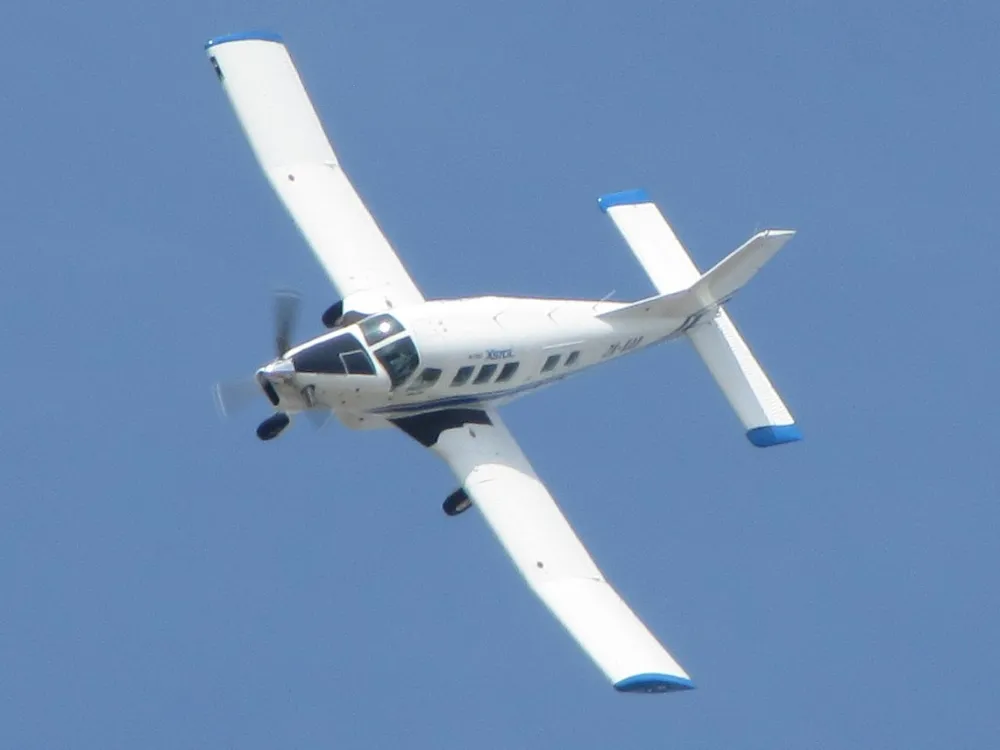
A PAC P‑750 XSTOL operated by Niugini Aviation crashed while on final approach to Simbai Airport in Madang Province, Papua New Guinea, on the afternoon of 7 September 2026. The aircraft, which was conducting a scheduled passenger service, struck terrain just short of the runway, killing all four occupants – the pilot, co‑pilot, and two passengers – and prompting an immediate response from local emergency services and the Papua New Guinea Accident Investigation Commission (AIC).
The P‑750 XSTOL is a utility aircraft built by Pacific Aerospace Limited in Hamilton, New Zealand. It is a low‑wing monoplane with a fixed tricycle undercarriage, derived from the earlier PAC Cresco airframe but featuring a larger fuselage and a modified tail assembly. Powered by a Pratt & Whitney Canada PT6 turboprop engine delivering 750 shp, the type is marketed for short‑takeoff and landing (STOL) operations in remote or austere environments, making it a common choice for inter‑island and hinterland services throughout the Pacific region.
Niugini Aviation, a domestic carrier based in Papua New Guinea, has operated a modest fleet of STOL aircraft to serve isolated communities where conventional runway infrastructure is limited. The airline’s business model relies on the ability of aircraft like the P‑750 to operate from short, unpaved strips, a necessity given the country’s rugged terrain and scattered population. Papua New Guinea’s civil aviation authority, the Civil Aviation Safety Authority (CASA‑PNG), oversees the certification and airworthiness of such operations, but the nation’s aviation safety record has been challenged by limited resources, a shortage of trained maintenance personnel, and the difficulty of enforcing standards across a dispersed network of airfields.
Following the crash, the AIC has opened an investigation in accordance with the International Civil Aviation Organization’s Annex 13 provisions. Investigators will examine flight data recorders, interview surviving airline personnel, and assess the condition of both the aircraft and the Simbai airstrip. Pacific Aerospace has expressed condolences and pledged full cooperation, stating that the P‑750 series has a “generally strong safety record” but acknowledging that each incident requires a thorough technical review. The manufacturer will likely provide engineering support and may dispatch specialists to examine the wreckage, while CASA‑PNG is expected to review the airline’s operational procedures and maintenance logs to determine whether any regulatory lapses contributed to the accident.
The incident underscores the broader challenges of maintaining safe air transport in the Pacific’s remote regions. Reliable connectivity is essential for the delivery of medical supplies, education, and commerce to communities that lack road access. A loss of confidence in STOL aircraft could prompt operators to reconsider fleet composition, potentially shifting toward newer models with advanced avionics and safety features. For neighboring economies, including Taiwan, which maintains robust trade and tourism links with Pacific Island nations, the safety of regional air services directly affects supply‑chain reliability and the movement of personnel. Taiwan’s aerospace industry, which supplies components to various aircraft manufacturers, monitors such accidents closely, as they can influence certification standards, after‑market support demand, and the strategic assessment of market opportunities in the Pacific aviation sector.
Produced by our editorial team, with AI assistance in editing.