Four Dead in South Africa Shooting, Reigniting Security Concerns
A major shooting that shocked society occurred on a street in Khayelitsha, South Africa, on a recent day. An unidentified gunman opened fire on passersby w
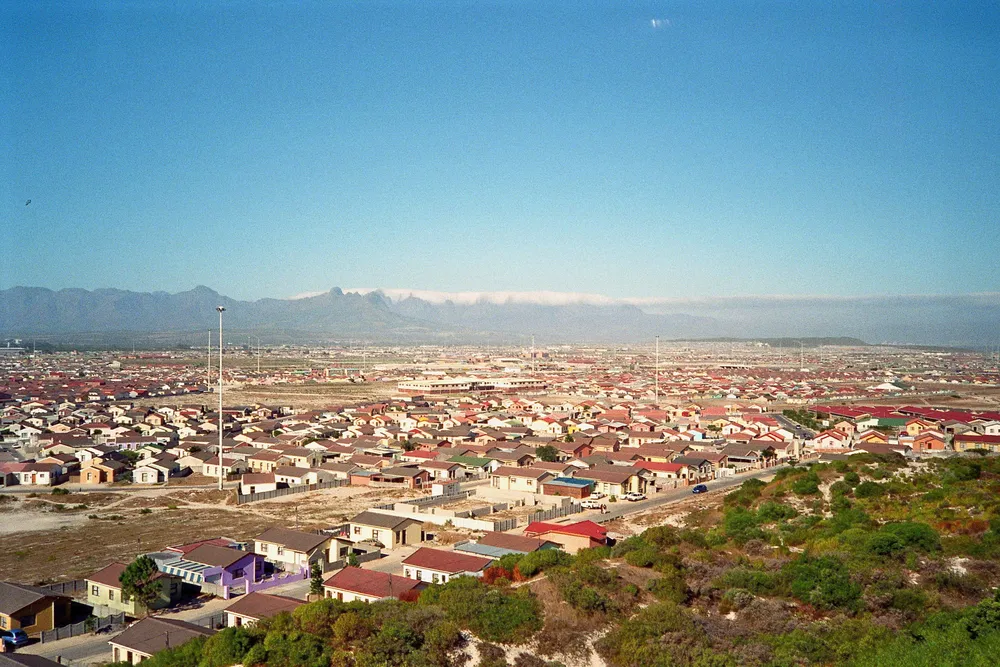
A major shooting that shocked society occurred on a street in Khayelitsha, South Africa, on a recent day. An unidentified gunman opened fire on passersby without warning, killing four people on the spot. The violent incident again thrust the long‑standing security crisis and rampant gang activity in the area into the spotlight of public debate.
The incident took place in Khayelitsha, a township in the Western Cape province of South Africa. It is one of the largest satellite towns in the Cape Town metropolitan area’s Cape Flats region. The name Khayelitsha means “new home” in Xhosa, and since its establishment it has been one of the country’s largest and fastest‑growing towns. Yet rapid urbanisation has brought inadequate infrastructure, stark income inequality, and severe unemployment.
For years, Khayelitsha and the wider Cape Flats area have been major hotspots for violent crime in South Africa. The fragile socio‑economic structure provides a breeding ground for gang activity. Drug trafficking, extortion of protection money, and inter‑gang rivalries have made street shootings and murders almost routine. Although the South African government and police have repeatedly attempted to curb the situation through increased manpower and anti‑gang operations, uneven allocation of police resources, grassroots corruption, and inadequate intelligence gathering have prevented any lasting improvement in security.
South African security authorities have now formed a special task force to investigate the four‑deaths shooting and to pursue the suspect while clarifying the motive. Yet the tragedy again underscores that, even after the end of apartheid, South Africa remains mired in unequal resource distribution and deteriorating public safety. For local residents, surviving in an environment saturated with gunfire and violence remains a daily, severe challenge.
For Taiwan, South Africa is a member of the BRICS group, and its domestic political stability, security situation, and socio‑economic development not only influence the regional dynamics of southern Africa but also reflect the structural challenges that emerging market economies face during rapid growth. By observing security crises in places like Khayelitsha, Taiwanese readers can gain a deeper understanding of how income inequality and governance failures trigger cascading security problems in some countries, and can use this insight to assess cross‑border investment, overseas travel risk, and the broader international political‑economic landscape.
Produced by our editorial team, with AI assistance in editing.