
Four Dead After Storm Adam Triggers Severe Flash Flooding in Southern France
At least four people have been killed and one person remains injured following severe flash flooding triggered by Storm Adam in the Bouches-du-Rhône depart
At least four people have been killed and one person remains injured following severe flash flooding triggered by Storm Adam in the Bouches-du-Rhône department of southern France. Local emergency services confirmed the casualties on Tuesday as torrential downwaters swept through parts of the region, overwhelming drainage systems, submerging roadways, and catching residents unawares in what local officials described as an unprecedented meteorological event.
The hardest-hit areas lie within the densely populated Mediterranean department, stretching from the outskirts of Aix-en-Provence down toward the coast. Bouches-du-Rhône, renowned as the most populous department in the Provence-Alpes-Côte d'Azur region and home to more than two million inhabitants, experienced rainfall totals in a matter of hours that vastly exceeded monthly averages. Regional authorities have deployed hundreds of firefighters and rescue personnel to conduct search-and-operation sweeps, evacuate stranded citizens, and secure damaged infrastructure.
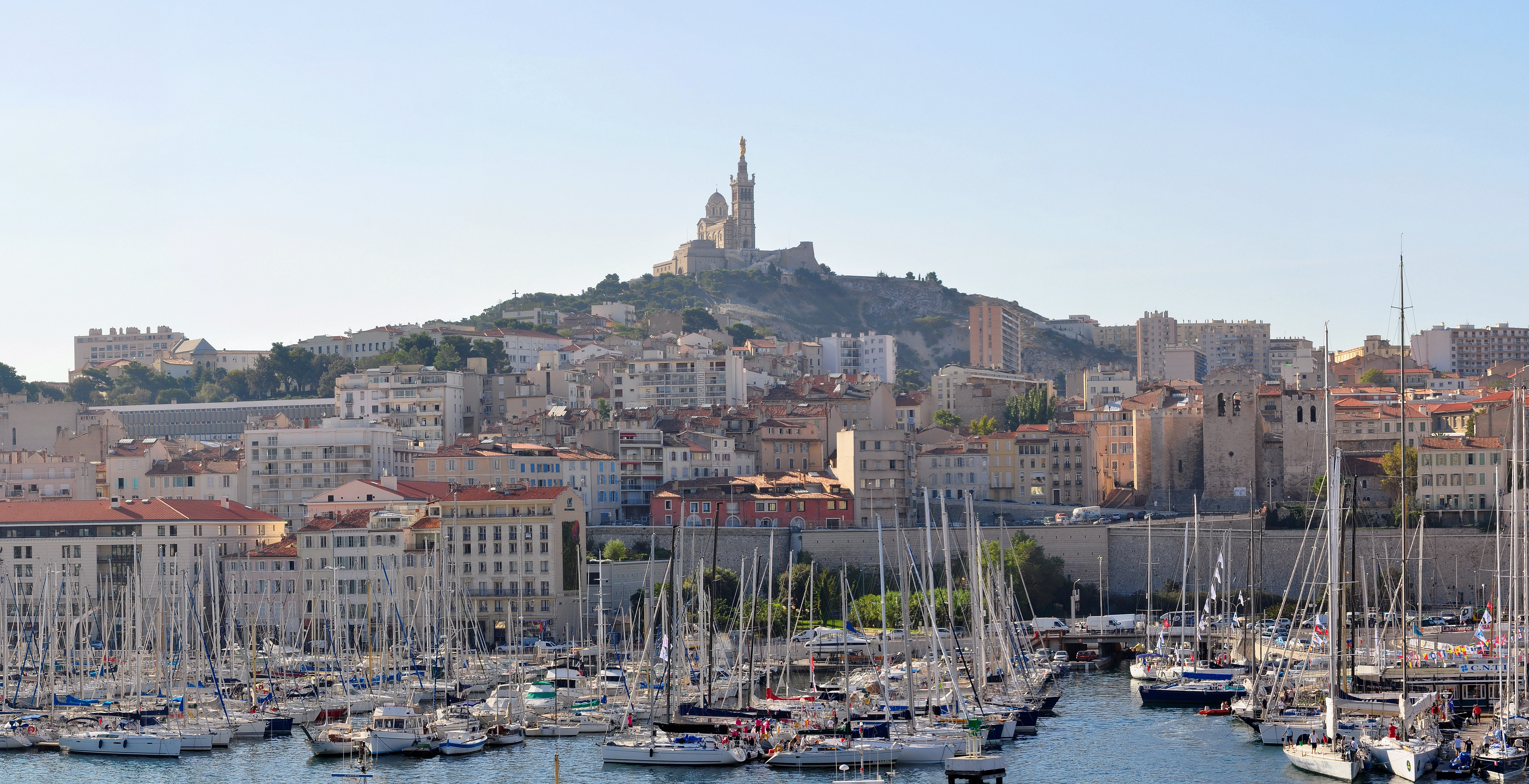
Geographically, Bouches-du-Rhône occupies a vulnerable position flanking the lower reaches and delta of the Rhône River, bordered by the Mediterranean Sea to the south and flanked by elevated terrain that can rapidly funnel runoff into coastal plains. The department includes major economic and historical urban hubs, notably Marseille—France’s second-largest city and its principal Mediterranean container port—as well as industrial centers like Martigues and cultural anchors such as Arles. The convergence of heavy river swells, saturated soils, and intense coastal precipitation has historically exposed the department to hydrological risks, though local authorities noted that the ferocity of Storm Adam far surpassed recent seasonal norms.
In the wake of the disaster, French meteorological agencies have maintained heightened alert levels across southern departments, warning that saturated ground leaves little capacity to absorb further rainfall. Transport networks, including regional rail links and major roadways connecting Marseille to Aix-en-Provence and beyond, have experienced severe disruptions. Municipal leaders are now facing renewed scrutiny over urban planning, infrastructure resilience, and early-warning protocols as climate patterns increasingly bring high-intensity weather events to historically Mediterranean zones.
While the tragedy remains primarily a domestic humanitarian and civil protection crisis for France, the disruption to Marseille carries broader implications for European logistics and trade corridors. As one of the continent's major maritime gateways connecting Europe to North Africa and the wider Mediterranean, any prolonged paralysis of regional transport and port logistics reverberates through supply chains dependent on the south of France. International observers note that safeguarding such critical European logistics hubs against accelerating climate extremes is becoming an urgent priority for maintaining stable commercial flows across the broader region.
Produced by our editorial team, with AI assistance in editing.
