Former Hurricane Isaias Transitions to Post-Tropical Cyclone After Florida Landfall
The United States National Hurricane Center confirmed that former Hurricane Isaias has transitioned into a post-tropical cyclone following its landfall nea
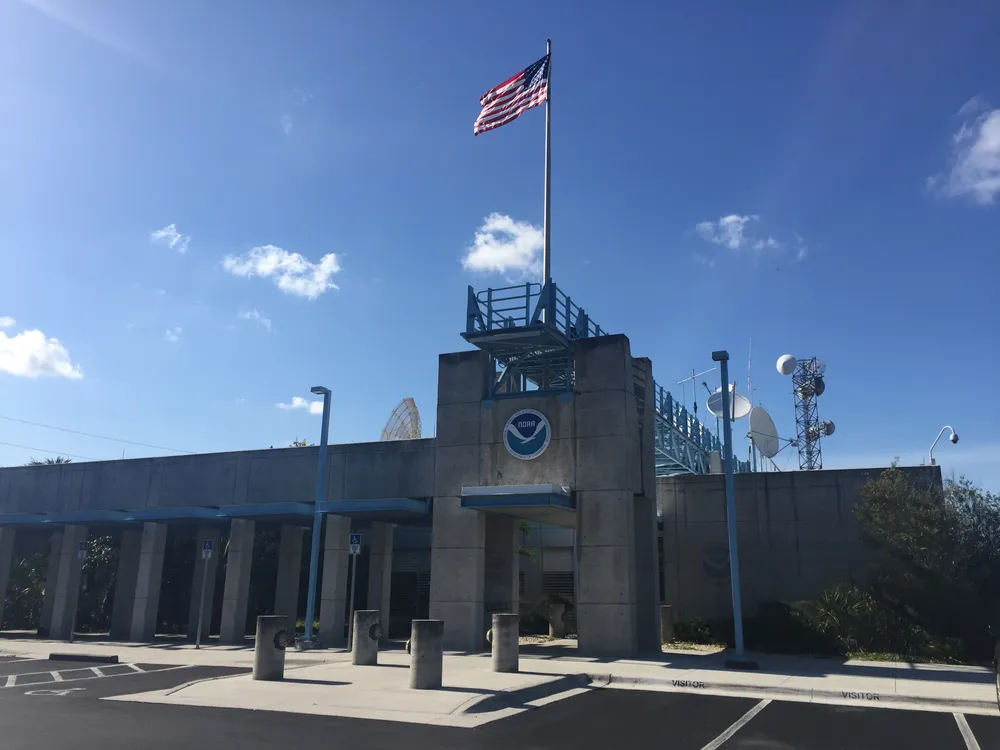
The United States National Hurricane Center confirmed that former Hurricane Isaias has transitioned into a post-tropical cyclone following its landfall near Destin, Florida. The storm system, which had been closely monitored as it tracked northward, brought heavy rainfall and strong winds to the region before losing its tropical characteristics over land. Authorities and emergency management teams across the affected areas have shifted their focus from hurricane preparedness to managing localized flooding and clearing downed power lines.
Operating under the U.S. National Oceanic and Atmospheric Administration and the National Weather Service, the National Hurricane Center serves as the primary federal authority for tracking, analyzing, and forecasting tropical weather systems across the Atlantic and Northeast Pacific basins. Headquartered on the campus of Florida International University in Miami, the agency coordinates meteorological data collection, satellite monitoring, and computer modeling to provide timely warnings to coastal communities and maritime operators.
The center's operational capacity relies on several specialized divisions working in tandem. The Tropical Analysis and Forecast Branch maintains continuous oversight of marine weather, issuing routine high-seas forecasts and graphical updates year-round. Meanwhile, the Technology and Science Branch integrates cutting-edge meteorological technology and research to enhance prediction accuracy. Additionally, the Chief, Aerial Reconnaissance Coordination, All Hurricanes unit coordinates targeted aircraft missions into active storm systems during the Atlantic hurricane season, gathering crucial in-situ data that underpins modern forecasting models.
Forecasting severe weather events remains a critical component of regional disaster resilience, particularly as climate patterns influence the frequency and intensity of tropical systems affecting North America and the wider Caribbean basin. Accurate advance tracking allows local municipalities, port authorities, and energy infrastructure operators to implement emergency protocols, mitigating potential economic disruption and safeguarding populations in vulnerable coastal zones.
Produced by our editorial team, with AI assistance in editing.