
Flydubai Flight to Tel Aviv Lands in Saudi Arabia After Cockpit Assault
A Flydubai flight en route from Dubai to Tel Aviv was forced to make an emergency landing in Tabuk, Saudi Arabia, after the copilot launched a violent phys
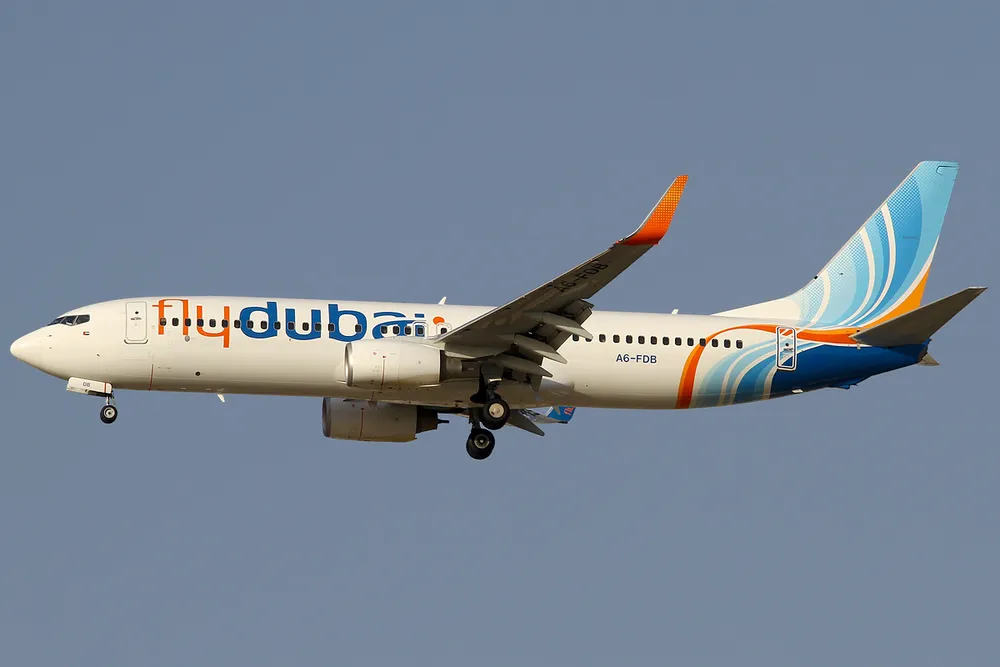
A Flydubai flight en route from Dubai to Tel Aviv was forced to make an emergency landing in Tabuk, Saudi Arabia, after the copilot launched a violent physical assault on the captain in what authorities are treating as an attempted aircraft hijacking. The incident unfolded mid-flight when the first officer reportedly attacked the pilot in the cockpit, prompting a struggle for control of the aircraft. A relief crew subsequently took command of the plane, ensuring its safe touchdown in Saudi airspace without further escalation or passenger injuries.
The flight, operated by the Emirati government-owned carrier Flydubai, was navigating a routine regional corridor connecting the United Arab Emirates and Israel when the security breach occurred. Flydubai, a major low-cost airline headquartered at Dubai International Airport, serves a sprawling network of 131 destinations across the Middle East, Africa, Asia, and Europe. While the airline maintains a robust safety record across its operations, cockpit altercations of this severity remain exceedingly rare in modern commercial aviation, prompting immediate concerns over flight deck security and crew vetting protocols.
Security agencies and aviation authorities in the United Arab Emirates, Saudi Arabia, and Israel are currently coordinating a joint investigation to determine the exact motive behind the copilot's actions. Initial inquiries are focused on the psychological state of the first officer and whether the attack stemmed from operational stress, political grievances linked to the sensitive Dubai-Tel Aviv route, or an unflagged mental health issue. Aviation security experts note that while multi-layered cockpit security measures are traditionally designed to keep unauthorized individuals out, incidents involving insider threats from trained crew members present unique vulnerabilities for commercial airlines.
The diversion to Tabuk also highlighted regional cooperation protocols during unexpected airborne emergencies, with Saudi air traffic control and ground services facilitating the rapid, secure landing of the aircraft. Under international aviation standards, the handling of the suspect will likely involve extradition back to the United Arab Emirates, where Flydubai is legally domiciled, though Israeli and Saudi authorities retain jurisdiction over the airspace and territory where the criminal acts transpired.
For the wider Indo-Pacific and global aviation networks, this incident underscores the persistent challenge of insider threats and crew resource management in an era of heightened geopolitical tensions. As international carriers continue to expand routes across volatile regions, maintaining rigorous psychological evaluations and stringent security protocols for flight deck personnel remains critical to safeguarding global supply chains, passenger mobility, and regional stability.
Produced by our editorial team, with AI assistance in editing.