
Flores Island quake kills 111, displaces over 176,000 residents
The death toll from the 6.5‑magnitude earthquake that struck Flores Island in Indonesia’s East Nusa Tenggara province has risen to 111, with more than 176,
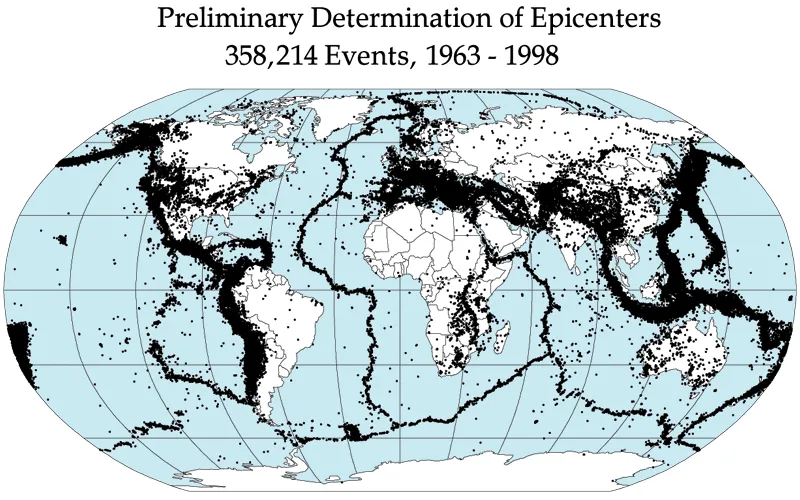
The death toll from the 6.5‑magnitude earthquake that struck Flores Island in Indonesia’s East Nusa Tenggara province has risen to 111, with more than 176,000 residents forced from their homes, officials said on Thursday. The quake, whose epicenter was near the town of Ende, caused extensive damage to homes, schools and health facilities, prompting a large‑scale emergency response from the national disaster agency, local authorities and international aid organisations.
Indonesia sits on the Pacific “Ring of Fire,” a zone of intense tectonic activity that generates frequent seismic events. The region’s underlying geological faults, particularly the subduction of the Australian plate beneath the Eurasian plate, make large earthquakes a recurring hazard. While most quakes are felt only locally, those that occur near densely populated islands can produce severe ground shaking, landslides and secondary hazards such as tsunamis. In this case, the hypocenter was shallow, amplifying the shaking felt across several districts and overwhelming structures not designed to withstand such forces.
The Indonesian government, through the National Agency for Disaster Management (BNPB), has mobilised military personnel, medical teams and engineers to assess damage, provide temporary shelters and restore essential services. Governor Viktor Laiskodat of East Nusa Tenggara has declared a state of emergency, urging the central government for additional funding and logistical support. International partners, including the United Nations Office for the Coordination of Humanitarian Affairs (OCHA) and the Red Cross, have dispatched relief supplies and are coordinating with local NGOs to address the immediate needs of displaced families.
Local communities, many of whom depend on agriculture and tourism, face a protracted recovery. The loss of crops, disruption of transport links and damage to the modest tourism infrastructure on Flores threaten livelihoods already vulnerable to climate variability. Experts note that rebuilding efforts will need to incorporate resilient construction practices to reduce future risk, a challenge given limited resources and the urgency of restoring shelter for hundreds of thousands.
While the disaster is primarily a humanitarian crisis for Indonesia, it underscores broader regional concerns. The same tectonic forces that generated the Flores quake also affect Taiwan, which sits on a complex fault system that has produced significant earthquakes in recent decades. Shared seismic risk has prompted both countries to engage in scientific cooperation, including joint earthquake monitoring and early‑warning initiatives. Moreover, the disruption of supply chains—particularly of agricultural products and raw materials exported from East Nusa Tenggara—could ripple through regional markets, affecting trade flows that involve Taiwan’s manufacturers and consumers. Strengthening disaster preparedness and response coordination across the Indo‑Pacific is therefore seen as a strategic priority for maintaining economic stability and safeguarding lives in a seismically active zone.
Produced by our editorial team, with AI assistance in editing.