
Five killed, 20 injured in bus‑tanker crash on MP's NH‑39
A passenger bus carrying workers and a tanker truck laden with fuel collided on the morning of September 2 on National Highway 39 near the town of Rewa in
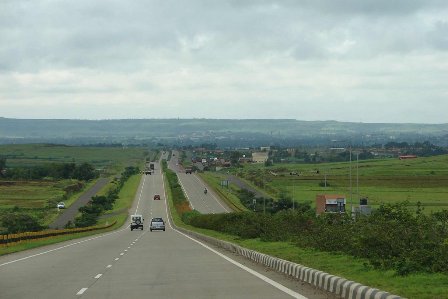
A passenger bus carrying workers and a tanker truck laden with fuel collided on the morning of September 2 on National Highway 39 near the town of Rewa in Madhya Pradesh, killing five people and injuring twenty more, officials said. Emergency crews rushed to the scene, extricating victims from the twisted wreckage and transporting the injured to nearby hospitals. The crash, which occurred at approximately 08:30 local time, prompted the temporary closure of the highway while investigators secured the site and began a preliminary inquiry into the causes of the accident.
National Highway 39 is a key arterial route that traverses the central Indian states of Madhya Pradesh, Uttar Pradesh and Jharkhand, linking industrial hubs, agricultural markets and remote communities. The highway’s strategic importance lies in its role as a conduit for the movement of raw materials, finished goods and labor across a region that accounts for a significant share of India’s manufacturing output. Heavy traffic, including a mix of passenger buses, freight trucks and tanker vehicles, is commonplace on NH 39, especially during the early morning hours when drivers often aim to beat the heat and avoid congestion in larger urban centers.
Initial reports suggest that the bus, operating on a scheduled route for local commuters, was traveling northbound when it entered the same lane as the tanker, which was heading southbound. Witnesses described a sudden, high‑speed impact that caused the tanker’s fuel container to rupture, igniting a blaze that engulfed the bus. While the exact sequence of events is still under investigation, local police have opened a case to determine whether driver fatigue, mechanical failure, inadequate road signage or a breach of traffic regulations contributed to the tragedy. The state transport department has pledged to cooperate fully with the inquiry and to conduct a thorough audit of safety protocols on the highway.
The aftermath of the crash has drawn responses from multiple stakeholders. The Madhya Pradesh Chief Minister’s office expressed “deep sorrow” over the loss of life and announced immediate financial assistance for the families of the deceased, as well as medical subsidies for the injured. The state’s Transport Commissioner highlighted the need for stricter enforcement of speed limits and mandatory rest periods for drivers of heavy vehicles, noting that the region’s high accident rate has been a persistent challenge. Conversely, representatives of the trucking and bus operators’ unions cautioned against hasty regulatory measures that could disrupt essential transport services, urging a balanced approach that addresses both safety and the economic realities of long‑distance haulage.
In the broader context, the incident underscores longstanding concerns about road safety on India’s national highways, where fatal accidents claim over 150,000 lives annually, according to the Ministry of Road Transport and Highways. Poor infrastructure, insufficient lighting, and a lack of real‑time monitoring systems exacerbate the risks associated with mixed traffic flows. Experts point to the need for investments in intelligent transport systems, better driver training programs, and the deployment of emergency response units along high‑traffic corridors like NH 39. The accident also revives debate over the adequacy of current regulations governing the transport of hazardous materials, a sector that has seen a surge in activity as India’s energy demand rises.
While the tragedy bears no direct connection to Taiwan, the incident resonates with broader regional concerns about supply‑chain resilience and transport safety. National highways such as NH 39 form part of the logistical backbone that supports the movement of goods across South Asia, influencing the reliability of trade routes that feed into global manufacturing networks, including semiconductor and electronic component supply chains in which Taiwan is a pivotal player. Disruptions caused by accidents, especially those involving hazardous cargo, can delay shipments, increase costs and highlight vulnerabilities in the infrastructure that underpins international trade. Strengthening road safety standards and emergency response capabilities in key transit corridors thus holds relevance not only for Indian commuters but also for the stability of supply chains that span the wider Indo‑Pacific region.
Produced by our editorial team, with AI assistance in editing.
