Fire on Qingdao cargo ship kills at least 20, five missing
At least 20 people were killed and five more are missing after a fire erupted on a cargo vessel docked in the port of Qingdao, Shandong province, on Tuesda
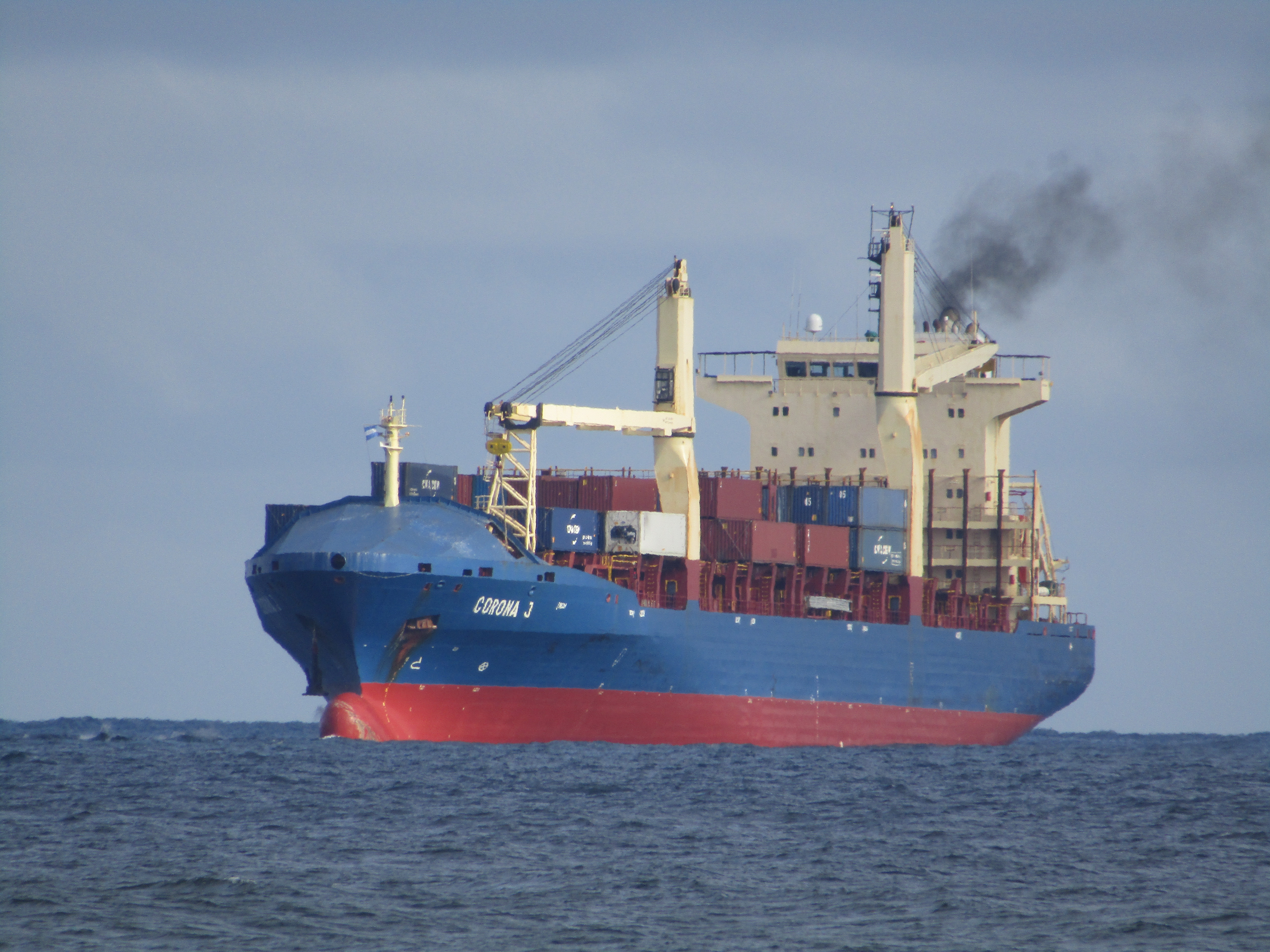
At least 20 people were killed and five more are missing after a fire erupted on a cargo vessel docked in the port of Qingdao, Shandong province, on Tuesday morning. The blaze, which broke out shortly after the ship began unloading, quickly engulfed the deck and spread to the engine room, prompting an emergency response from local fire brigades and coast‑guard units. Rescue crews retrieved bodies from the charred hull and are continuing a search for the missing, while authorities have sealed off the surrounding area to investigate the cause of the inferno.
Cargo ships form the backbone of international trade, moving the vast majority of global freight by volume across seas and oceans. Modern freighters are built from welded steel, equipped with sophisticated loading gear such as gantry cranes, and are designed to carry a wide range of goods—from containerized electronics to bulk commodities like coal and grain. The Qingdao port, one of China’s largest deep‑water facilities, handles millions of TEUs (twenty‑foot equivalent units) each year and serves as a key gateway for trade between East Asia, Europe and the Americas. The loss of a vessel in such a hub not only raises immediate safety concerns but also threatens to disrupt the tightly coordinated logistics chains that underpin the global economy.
China’s maritime safety record has improved in recent years, driven by stricter enforcement of international conventions such as the International Convention for the Safety of Life at Sea (SOLAS) and the International Ship and Port Facility Security (ISPS) Code. Nevertheless, incidents involving older or poorly maintained ships continue to surface, often linked to inadequate fire suppression systems, lapses in crew training, or substandard maintenance. In the Qingdao case, preliminary statements from the Shandong provincial safety bureau indicated that investigators will examine whether the fire originated in the cargo hold, where hazardous materials may have been stored, or in the engine compartment, where high‑temperature machinery can spark an uncontrolled blaze. The presence of a sizable crew—typical for vessels of this class—also underscores the human cost when safety protocols fail.
The response to the disaster highlights the complex coordination required among multiple agencies. Local fire departments, the maritime police, and the China Maritime Safety Administration (CMSA) have all deployed resources to contain the fire, conduct rescue operations, and secure the port’s perimeter. International maritime bodies, including the International Maritime Organization (IMO), have been notified, as they monitor the incident for any broader implications for shipping standards. The incident also revives discussion about the age profile of the global fleet; a significant proportion of the world’s cargo ships are over 20 years old, and many operators face pressure to modernize or retire aging vessels to meet evolving safety and environmental benchmarks.
While the tragedy is primarily a local humanitarian crisis, its ramifications extend beyond the immediate vicinity. Qingdao’s role as a major conduit for Chinese exports means that any interruption can ripple through supply chains that rely on just‑in‑time delivery. Companies in Taiwan, which depend heavily on the smooth flow of raw materials and components through Chinese ports for its semiconductor and electronics manufacturing sectors, may face delayed shipments and higher freight costs. Moreover, the incident serves as a reminder of the vulnerability of maritime transport to accidents, prompting regional stakeholders to reassess contingency plans and insurance premiums for cargo moving through the East China Sea and the Taiwan Strait.
The Qingdao fire underscores how a single maritime accident can reverberate through the intricate web of global trade. For Taiwan and its trading partners, the event highlights the importance of diversified logistics routes and robust safety standards in preserving the reliability of supply chains that sustain high‑tech industries and broader economic activity across the Indo‑Pacific region.
Produced by our editorial team, with AI assistance in editing.