Faulty Church Heating System Causes Carbon Monoxide Poisoning in Southern Germany
Emergency services in southern Germany responded to a mass casualty incident on Sunday after 56 people fell ill during a church service in Bad Grönenbach,
Emergency services in southern Germany responded to a mass casualty incident on Sunday after 56 people fell ill during a church service in Bad Grönenbach, Bavaria. Authorities confirmed that the sudden illness among the congregation was caused by carbon monoxide poisoning, stemming from a suspected malfunction in the building’s heating system. First responders rushed to the scene following distress calls reporting widespread symptoms of acute distress among attendees gathered for Sunday mass.
Of the 56 individuals affected, multiple victims required urgent medical intervention, with several hospitalized for intensive treatment. Emergency physicians on-site triaged patients exhibiting classic signs of the toxic exposure, including severe dizziness, nausea, headaches, and confusion. Local police and municipal authorities have cordoned off the church while forensic investigators examine the heating apparatus to determine the exact mechanical failure that allowed the odorless, colorless gas to accumulate undetected inside the packed sanctuary.
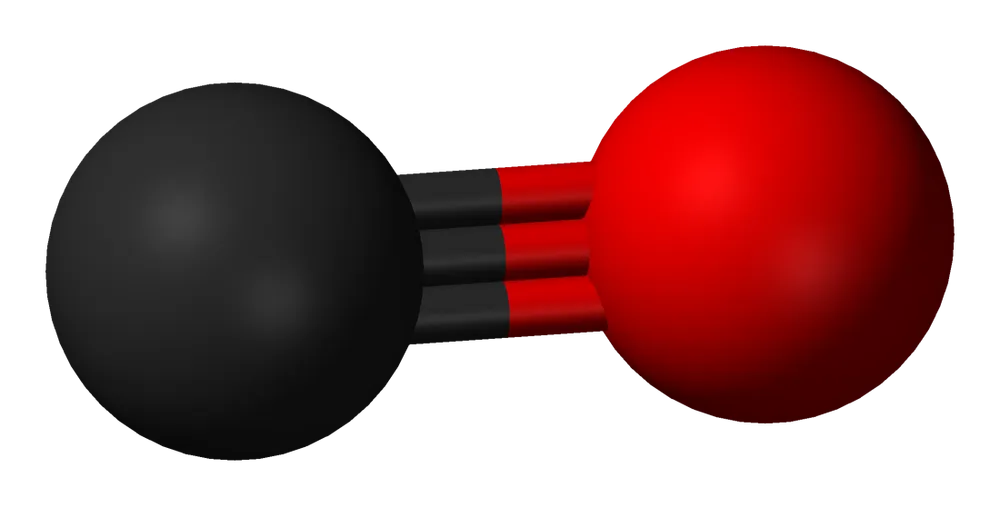
Carbon monoxide poisoning occurs when the gas is inhaled at elevated levels, typically generated by the incomplete combustion of carbon-based fuels in malfunctioning heating equipment, engines, or cooking appliances. Because the gas lacks color, odor, and initial irritant properties, victims are often unaware of its presence until neurological and cardiovascular symptoms manifest. The compound enters the bloodstream and binds tightly to hemoglobin, forming carboxyhemoglobin, which drastically impairs the blood's capacity to transport oxygen throughout the body while also disrupting vital cellular functions in muscles and organs.
While large-scale exposures can rapidly lead to loss of consciousness, cardiac arrhythmias, seizures, or fatality, public health officials note that early detection and prompt administration of oxygen are critical in mitigating both immediate and long-term consequences. Survivors of acute poisoning frequently face lingering neurological or cognitive complications, such as chronic fatigue, memory deficits, and motor control issues. The incident in Bad Grönenbach has prompted regional safety authorities to issue renewed warnings regarding the inspection and maintenance of indoor heating systems as colder weather increases reliance on combustion-based infrastructure.
Produced by our editorial team, with AI assistance in editing.