
Falling Houthi missile debris sparks fire at Saudi Aramco facility in Dhahran
An administrative facility belonging to Saudi Aramco in Dhahran was partially consumed by fire following the successful interception of a Houthi missile ov
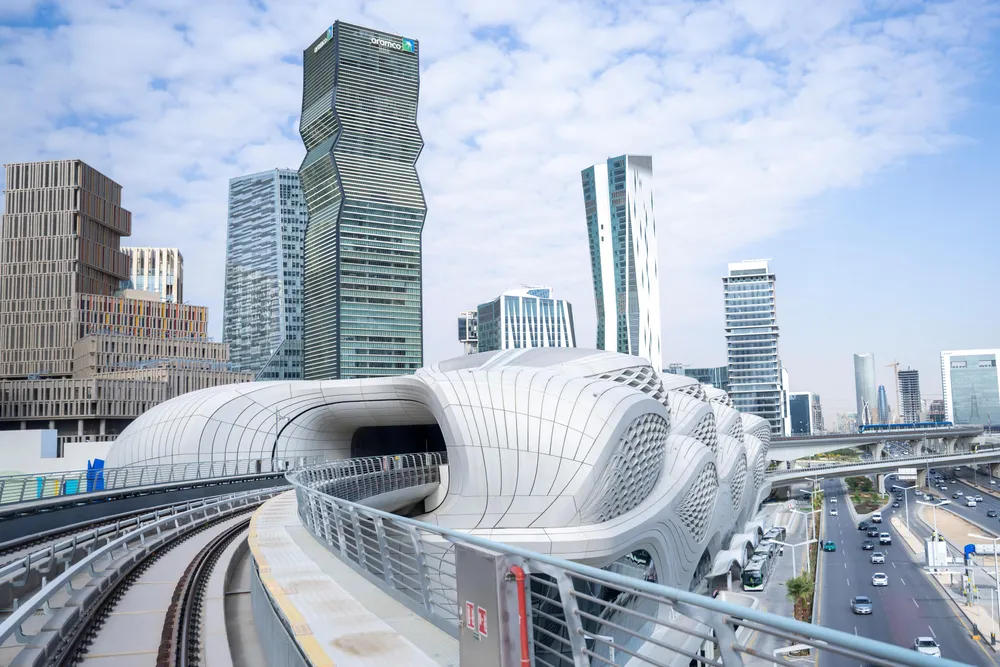
An administrative facility belonging to Saudi Aramco in Dhahran was partially consumed by fire following the successful interception of a Houthi missile over the city by Royal Saudi Air Defense forces. Debris from the incoming projectile fell upon the compound in the kingdom’s Eastern Province, triggering a localized blaze that emergency responders worked to contain. While operations at the sprawling energy complex were largely unaffected, the incident highlights the persistent security vulnerabilities facing critical infrastructure in the region amid ongoing cross-border hostilities.
The targeted site is situated at the nerve center of Saudi Arabia’s state-backed petroleum enterprise, the Saudi Arabian Oil Company. Headquartered in Dhahran, Aramco stands as the world's fourth-largest company by revenue and manages the largest proven crude oil reserves globally, estimated at over 270 billion barrels. The Eastern Province hosts the crown jewels of the kingdom's energy infrastructure, including the Ghawar Field—the world's largest onshore oil field—and the Safaniya Field, the world's largest offshore oil field.
The attack underscores the strategic risks surrounding the Master Gas System, the world's single largest hydrocarbon network, which Aramco operates to fuel domestic industry and power global exports. Producing an average of 12.7 million barrels of oil equivalent per day alongside massive natural gas reserves, the company functions as a foundational pillar of the global economy and the primary engine of Saudi Arabia’s national budget. Since its historic public offering on the Saudi Exchange in late 2019, which briefly vaulted its market valuation toward the multi-trillion-dollar mark, the firm has remained a high-profile target in regional conflicts.
The Houthi movement, based in neighboring Yemen, has frequently targeted Saudi energy installations with drones and ballistic missiles in retaliation for the Saudi-led coalition's military campaign. Although the kingdom's multi-layered air defense systems successfully intercept the vast majority of incoming threats, the sheer volume of attacks ensures that falling debris and near-misses continue to pose a tangible threat to personnel and industrial facilities. Riyadh and its international allies maintain that these strikes violate international law and threaten global energy security, while mediators continue efforts to solidify a lasting ceasefire in Yemen.
For Taiwan and the wider Asia-Pacific region, the security of Saudi Aramco’s operations in the Eastern Province carries direct economic implications. Taiwan, like many of its East Asian neighbors, remains heavily reliant on Middle Eastern crude oil to power its advanced manufacturing and technology sectors, including the energy-intensive semiconductor supply chain. Any sustained disruption to production or processing facilities in Dhahran risks triggering global price volatility and supply tightening, making the stability of the Persian Gulf a matter of vital economic security for energy-importing economies across the globe.
Produced by our editorial team, with AI assistance in editing.