
El Niño Triggers Rare Unseasonal Floral Bloom Across Chile's Atacama Desert
Unseasonal floral blooms have emerged across parts of the Atacama Desert in northern Chile, transforming sections of the world’s driest non-polar landscape
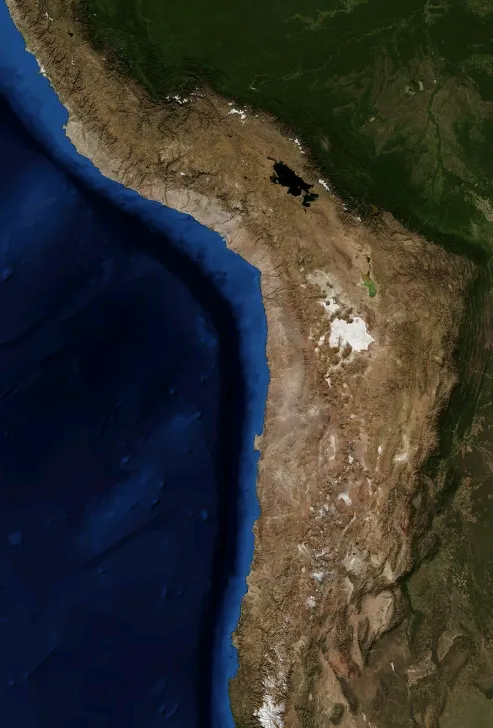
Unseasonal floral blooms have emerged across parts of the Atacama Desert in northern Chile, transforming sections of the world’s driest non-polar landscape into vibrant expanses of purple and yellow petals. The unexpected botanical display, reported this week, is directly linked to the lingering effects of the Pacific El Niño climate cycle, which has brought anomalous precipitation to a region where baseline annual rainfall averages a meager 15 millimeters.
The phenomenon, locally known as the *desierto florido* or flowering desert, typically occurs only once every few years during specific intervals when winter rainfall is sufficient to awaken dormant seeds buried beneath the parched earth. However, the timing and intensity of the current blooms highlight shifting weather patterns associated with intensified El Niño phases. Climatologists note that while intermittent moisture has historically triggered these events, the frequency and predictability of the phenomenon are increasingly influenced by broader climatic variability.
Stretching along a 1,600-kilometer plateau between the Andes Mountains and the Chilean Coast Range, the Atacama is traditionally defined by its extreme and enduring aridity. The landscape owes its hyper-arid status to a powerful double rain shadow effect, which blocks incoming moisture from both the Pacific and Atlantic oceans, reinforced by the cold, north-flowing Humboldt Current and the South Pacific anticyclone. Weather stations in certain sectors of the desert have historically recorded zero measurable rainfall, with historical records indicating periods of multi-century drought. Recent scientific inquiries, however, continue to reexamine the strict continuity of these extreme conditions in the face of modern climatic shifts.
For Chile, the sudden transformation of the Atacama carries both ecological significance and economic opportunity, drawing botanists, researchers, and tourists to witness the fragile ecosystem in full bloom. Environmental authorities have urged caution among visitors to protect the delicate flora and nascent seedbeds from trampling, ensuring that the temporary ecosystem can complete its natural reproductive cycle. At the same time, the event serves as a visible indicator of changing meteorological baselines across South America.
Beyond South America, the increasing volatility of weather phenomena like El Niño underscores the growing vulnerability of global supply chains and agricultural networks to climate disruption. As South American nations contend with alternating cycles of extreme drought and unexpected precipitation—affecting everything from copper mining in the Atacama region to agricultural yields across the continent—international markets face renewed pressures. Understanding these regional climate anomalies remains vital for anticipating broader economic and logistical shocks that ripple outward across global trade corridors.
Produced by our editorial team, with AI assistance in editing.