Ebolavirus cases in Democratic Republic of Congo exceed 1,000, with outbreak still spreading.
Recent reports indicate that the number of Ebola cases in the Democratic Republic of the Congo has surpassed 1,000. This development is concerning, as Ebol
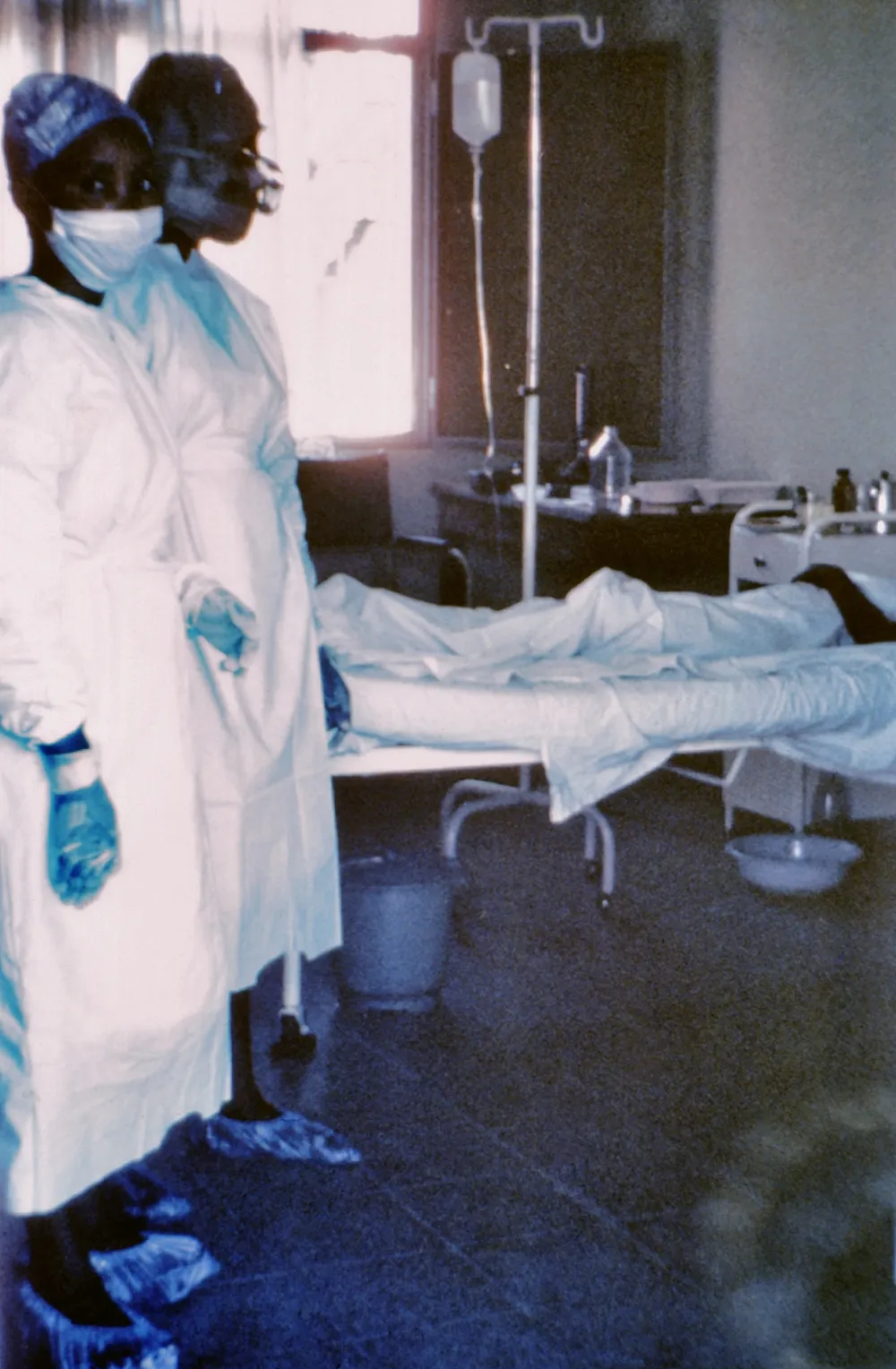
Recent reports indicate that the number of Ebola cases in the Democratic Republic of the Congo has surpassed 1,000. This development is concerning, as Ebola is a highly contagious and deadly disease that has caused numerous outbreaks on the African continent.
The Ebola virus is a zoonotic virus, primarily transmitted through contact with bodily fluids from infected animals, such as blood, sweat, and saliva. Once a person is infected, symptoms typically appear within 2-3 weeks, with initial symptoms including fever, sore throat, muscle pain, and headache. Subsequently, symptoms may include vomiting, diarrhea, rashes, liver and kidney dysfunction, and in severe cases, internal and external bleeding, with a mortality rate of up to 50%. The type of virus and the timing of treatment both play critical roles in determining the prognosis, with death typically resulting from shock caused by fluid loss, usually occurring within 6-16 days of the onset of initial symptoms.
Since its first discovery in 1976, the Ebola virus has caused periodic outbreaks in sub-Saharan Africa, including the major 2013-2016 West African outbreak. These outbreaks typically occur through direct contact with infected animals or humans, or through contact with contaminated objects. Due to the high transmissibility and deadliness of the Ebola virus, health authorities and the World Health Organization have been working tirelessly to control and prevent the spread of the disease.
The current Ebola outbreak in the Democratic Republic of the Congo, which began in August 2018, has been ongoing for nearly two years, with increasing cases and fatalities. This outbreak is distinct from previous ones, with a wider scope, more infected individuals, and faster transmission rates. As a result, international attention is focused on this outbreak, with health authorities and the World Health Organization collaborating to contain and end the outbreak.
In containing and preventing the spread of Ebola, health authorities and the World Health Organization have implemented various measures, including enhanced monitoring and reporting, isolation and quarantine, and provision of medical and protective equipment. Additionally, countries are working to develop and use Ebola vaccines and treatments in an effort to better control and prevent the spread of the disease.
For Taiwan, the outbreak and spread of Ebola pose a risk to public health and safety, particularly in an era of increased globalization and international travel. Therefore, Taiwan's health authorities and medical institutions must remain vigilant and prepared to respond to a possible Ebola outbreak, while also strengthening international cooperation and exchange to jointly control and prevent the spread of the disease. Furthermore, the outbreak and spread of Ebola also pose challenges and opportunities for Taiwan's medical and public health systems, such as enhancing the capacity of the medical and public health systems, and improving the professional capabilities and emergency response abilities of medical personnel.
Produced by our editorial team, with AI assistance in editing.