Learjet 60 Crashes in Greenacres, Florida, Killing All Nine Onboard
A Learjet 60 business jet crashed in Greenacres, Florida, on Monday, killing all nine people on board. The aircraft was en route to The Bahamas when it st
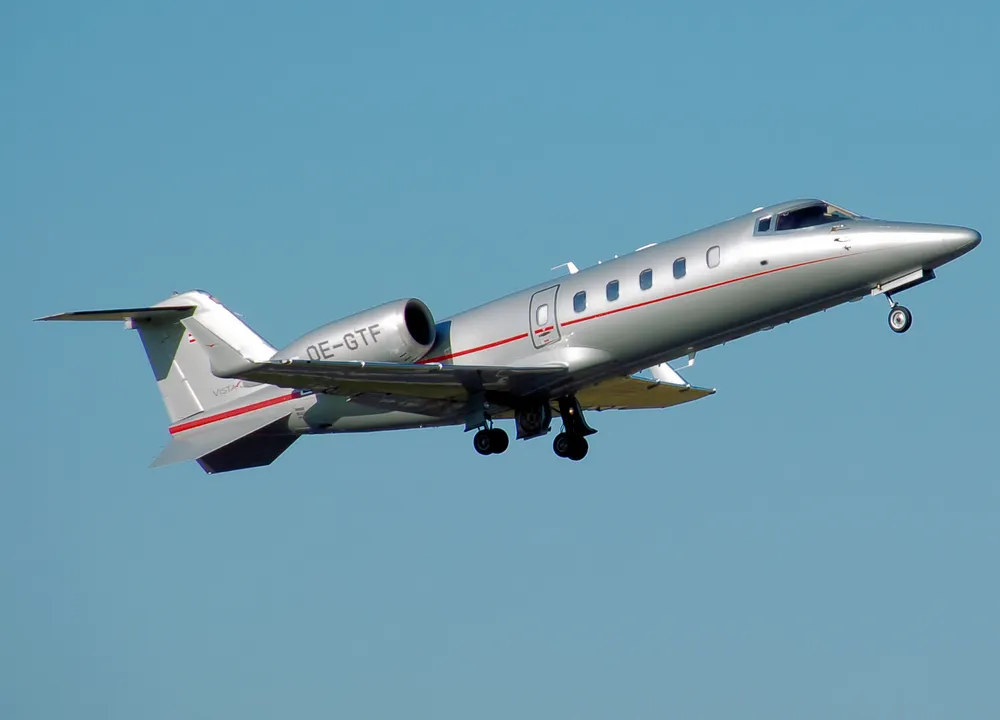
A Learjet 60 business jet crashed in Greenacres, Florida, on Monday, killing all nine people on board. The aircraft was en route to The Bahamas when it struck the ground near the intersection of County Road 12 and County Road 65, according to the Florida Department of Transportation. The National Transportation Safety Board (NTSB) has opened an investigation and released a preliminary incident report indicating the aircraft had lost altitude shortly after takeoff from a nearby airfield.
The Learjet 60, a mid‑size cabin, medium‑range jet built by Bombardier Aerospace in Wichita, Kansas, has been a staple of corporate and private aviation since the 1980s. Powered by twin Pratt & Whitney Canada PW305A turbofan engines, the aircraft can fly roughly 2,405 nautical miles (4,454 km) with four passengers and two crew, while maintaining a 100‑nautical‑mile reserve. It is frequently used by executives, diplomats and high‑net‑worth individuals for short‑to‑medium haul flights, owing to its comfortable cabin and relatively low operating costs.
Bombardier’s Learjet line has faced production challenges over the years. In July 2012, the company announced a temporary pause in the production of the Learjet 60XR, its latest variant, to address quality issues and market demand fluctuations. The pause, slated to begin in the fourth quarter of 2012, was part of a broader strategy to streamline its business‑jet portfolio and focus resources on more profitable models such as the Challenger and Global series.
Preliminary data from the NTSB suggest the crash may have been linked to a mechanical failure, although the exact cause remains unclear. The jet’s flight data recorder and cockpit voice recorder are being recovered and analyzed. Witnesses reported hearing a sudden loss of power and a sharp descent, with the aircraft striking the ground in a steep angle. No survivors were found, and the wreckage was heavily damaged, complicating the forensic analysis. Weather conditions at the time of the accident were reported as clear, with no significant turbulence or wind shear recorded.
The incident has raised concerns among operators and regulators about the safety record of older business jets, particularly those that have been in service for several decades. Bombardier has reiterated its commitment to safety and quality, noting that all its aircraft undergo rigorous maintenance and inspection regimes. The NTSB’s findings will likely influence future certification standards and may prompt a review of maintenance procedures for the Learjet family, especially the older 60‑series models that are still widely used in corporate fleets worldwide.
Beyond the immediate tragedy, the crash underscores the broader implications for the business‑aviation sector and related supply chains. The Learjet 60’s Pratt & Whitney engines are part of a global network of parts suppliers and maintenance providers that support thousands of aircraft across the Americas, Europe, and Asia. A sudden grounding of a fleet segment can ripple through the industry, affecting charter operations, corporate travel budgets, and the logistics of high‑value cargo. While the incident does not directly involve Taiwan, it highlights the interconnected nature of aviation safety, manufacturing standards, and international regulatory oversight—issues that resonate with any nation reliant on reliable, secure air transport for commerce and diplomacy.
Produced by our editorial team, with AI assistance in editing.