Ebola outbreak in the Democratic Republic of Congo causes over 500 deaths
Breaking news from the Democratic Republic of Congo reports that the country’s Ebola outbreak has already claimed more than 500 lives. The epidemic has bee
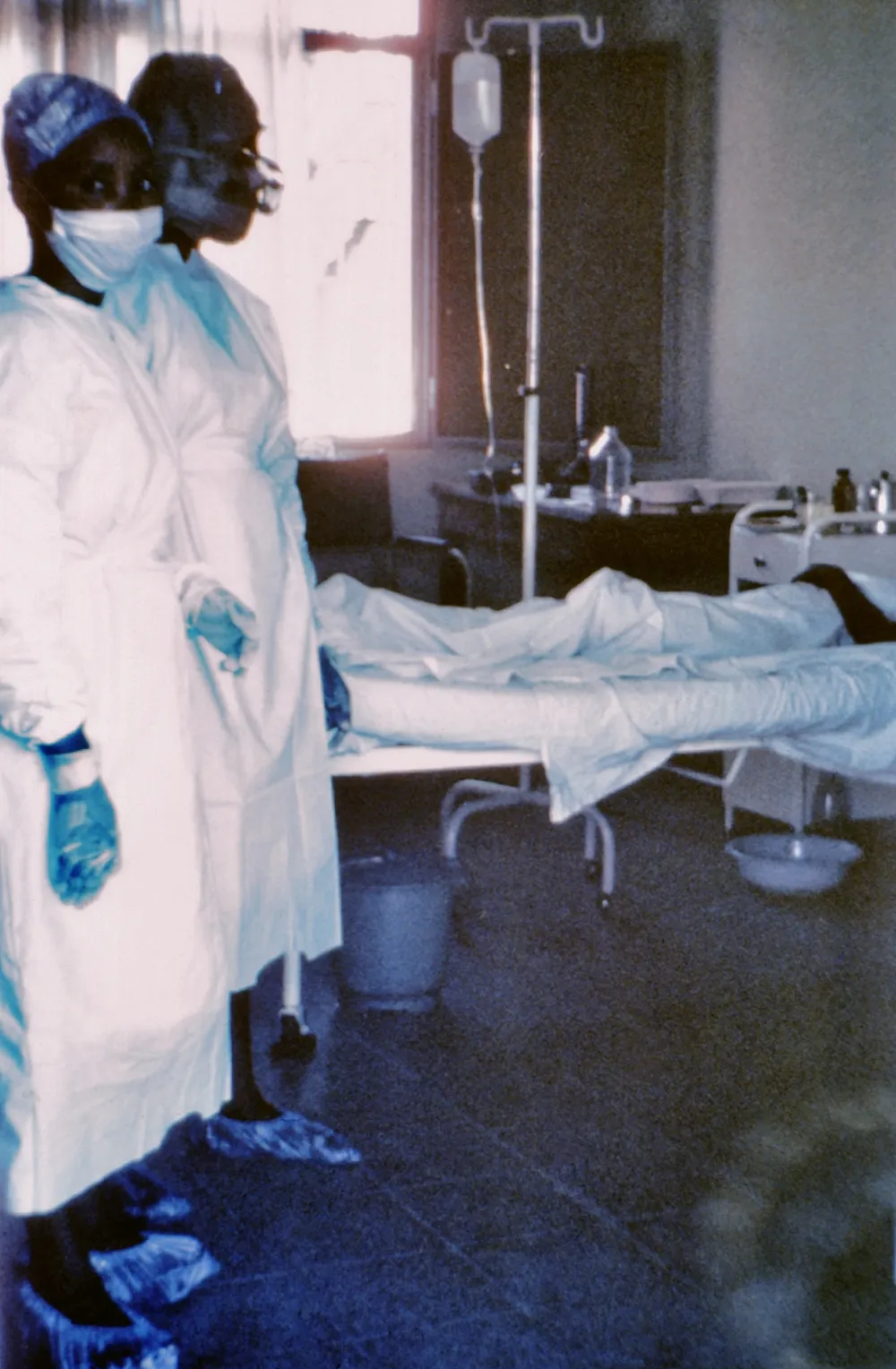
Breaking news from the Democratic Republic of Congo reports that the country’s Ebola outbreak has already claimed more than 500 lives. The epidemic has been ongoing for several months, taking a heavy toll on local residents and the healthcare system.
Ebola virus is a natural pathogen of humans and other primates, primarily transmitted through contact with the bodily fluids of infected individuals or contaminated objects. Symptoms typically appear 2–3 weeks after infection, with early signs including fever, sore throat, muscle aches, and headache, followed by vomiting, diarrhea, rash, and liver or kidney dysfunction. In severe cases, patients may experience internal and external bleeding, with a case fatality rate as high as 90%. Researchers continue to work on effective treatments and vaccines to curb the spread of the virus.
The Ebola outbreak has persisted for decades in sub‑Saharan Africa. Since its first identification in 1976, the virus has caused several large‑scale epidemics. The West African outbreak from 2013 to 2016 remains the most severe to date, resulting in over 11,000 deaths. The crisis drew international attention, with the World Health Organization and other global bodies working to provide assistance and support to contain the spread.
In the Democratic Republic of Congo, authorities and health institutions are working to counter the outbreak by establishing isolation zones, offering treatment, and administering vaccines. Nevertheless, controlling the epidemic remains challenging due to shortages of medical resources, limited transportation, and local fear and misinformation. The international community is also providing aid, including medical equipment, personnel, and funding, to support local containment efforts.
Time is critical in controlling the outbreak. Early detection and isolation of cases, coupled with timely treatment and vaccination, are essential. Raising local residents’ health awareness and protective knowledge is also vital. Through international cooperation and support, authorities hope to curb the epidemic swiftly, reducing transmission and mortality.
For Taiwan, although the Ebola outbreak has no direct link to the island, it carries significant implications for regional and global public‑health security. As a global citizen, Taiwan should monitor and understand major international health events, and learn from other countries’ experiences and practices in public‑health safety. By strengthening international cooperation and exchange, Taiwan can enhance its own public‑health resilience and contribute to global health security.
Produced by our editorial team, with AI assistance in editing.