
Drones strike two Bulgarian merchant vessels; one sinks, crew missing.
Two merchant vessels were struck by unidentified drones off Bulgaria’s Black Sea coast on Friday, a day after a similar incident. One of the ships, a cargo
Two merchant vessels were struck by unidentified drones off Bulgaria’s Black Sea coast on Friday, a day after a similar incident. One of the ships, a cargo carrier, has reportedly sunk, leaving eleven crew members missing. The Bulgarian coastguard rescued 20 crew members from the two vessels, while a further 20 are presumed lost. The attacks, which occurred within six days of a previous drone strike on a commercial ship in the same area, have raised alarms about the growing threat to commercial shipping in the region.
Prime Minister Rumen Radev has blamed Russia for the incidents, publicly calling upon the Russian ambassador for clarification. He offered no concrete evidence linking the attacks to Russian forces or to any state‑sponsored activity. The Bulgarian government has not yet confirmed the origin of the drones, and no international investigative body has issued a statement. The lack of corroborating evidence has led some analysts to caution against drawing definitive conclusions about state involvement.
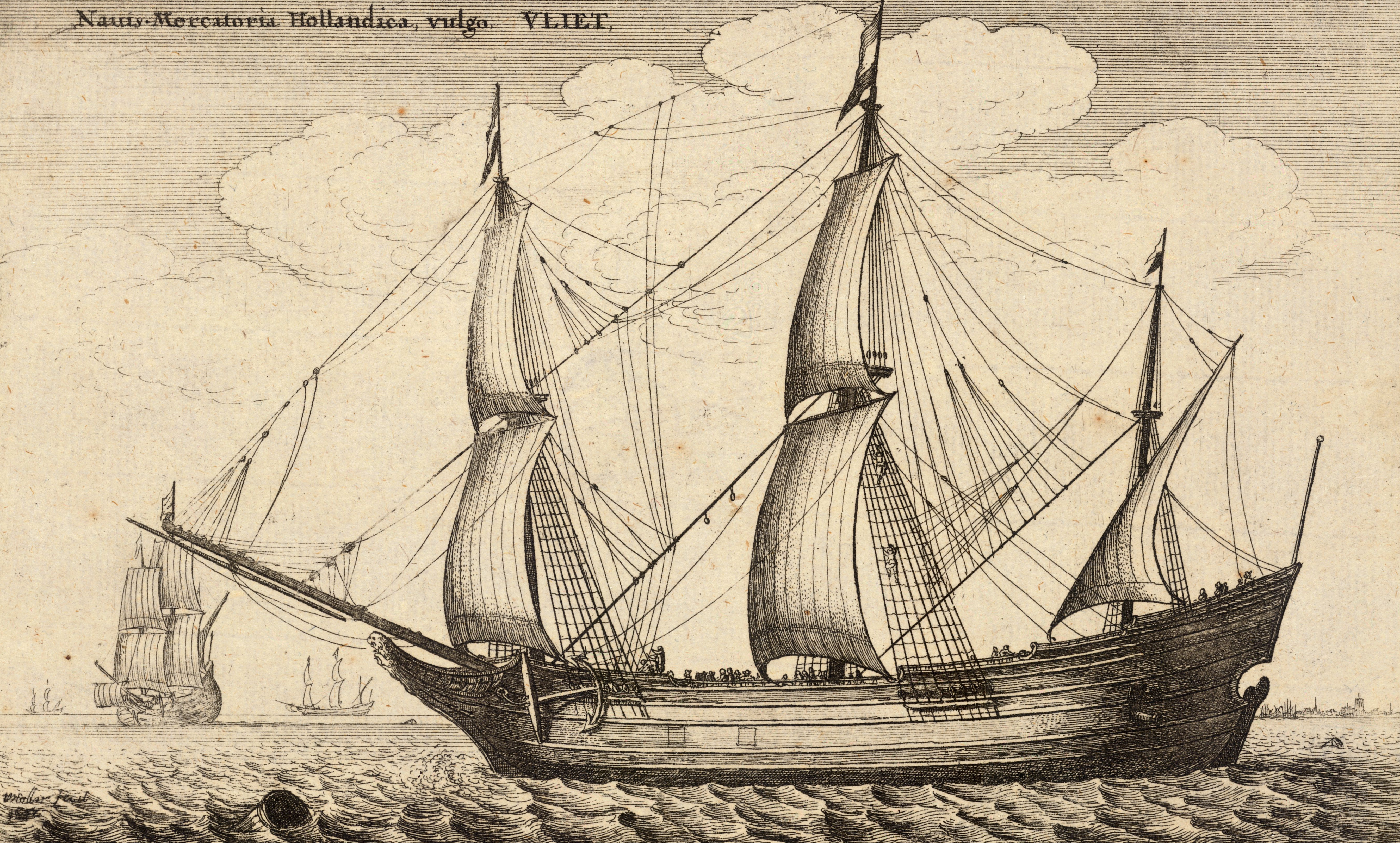
Merchant ships—watercraft that transport cargo or passengers for hire—make up the backbone of global trade. Unlike naval warships, they are operated by commercial enterprises and often fly the flags of convenience such as Liberia or Panama, which offer more favorable regulations and lower operating costs. The Greek merchant marine remains the largest single national fleet, accounting for roughly 16 percent of the world’s tonnage. In times of conflict, merchant vessels can be requisitioned as auxiliary naval assets, carrying troops, supplies, or acting as support platforms for military operations.
The Black Sea has long been a strategic maritime corridor, linking the Mediterranean, the Caspian Sea, and the Atlantic through the Bosporus and Dardanelles. Shipping lanes in the area carry significant volumes of oil, gas, and other commodities that feed global markets. The recent drone attacks coincide with heightened tensions between Russia and NATO‑aligned states, especially following Russia’s invasion of Ukraine. While the incidents are still under investigation, they underscore the vulnerability of commercial shipping to asymmetric threats such as small‑scale drone strikes.
For the global community, the incidents highlight a growing trend of using drones to target maritime traffic. This not only endangers crews but also disrupts supply chains, potentially inflating costs for energy, raw materials, and finished goods. The risk of escalation—whether through misidentification or retaliatory measures—poses a threat to regional stability. Maritime security agencies in the Black Sea are reportedly reviewing their protocols, and there is a growing call for greater international cooperation to protect commercial vessels.
The attacks matter beyond the Black Sea. Taiwan, a major exporter of semiconductors and other high‑tech goods, relies on stable maritime routes for shipping components and finished products. Any disruption in global trade corridors can ripple through supply chains, affecting production schedules and market prices. Moreover, the incidents serve as a reminder that commercial shipping remains a potential flashpoint in geopolitical conflicts, underscoring the need for robust maritime security measures that safeguard both economic interests and international peace.
Produced by our editorial team, with AI assistance in editing.
