DRC Reports Ebola Case in Sud‑Ubangi, Outbreak Now Covers Seven Provinces
A confirmed case of Ebola virus disease (EVD) has been reported in the Sud‑Ubangi province of the Democratic Republic of the Congo (DRC), bringing the tota
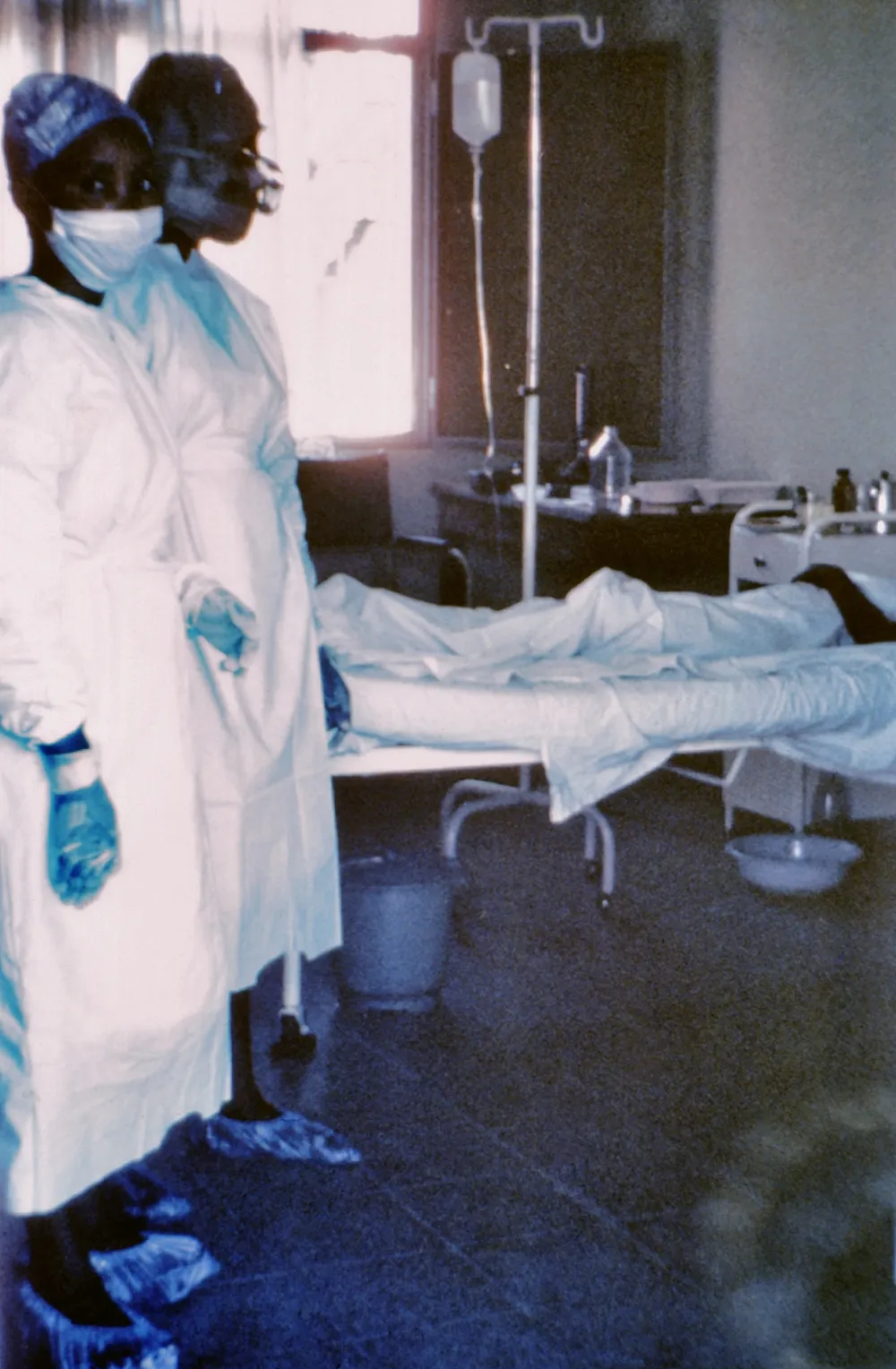
A confirmed case of Ebola virus disease (EVD) has been reported in the Sud‑Ubangi province of the Democratic Republic of the Congo (DRC), bringing the total number of provinces affected by the current outbreak to seven. The case, identified on Tuesday by local health authorities, follows a series of new detections in neighboring provinces over the past two weeks. The DRC’s Ministry of Health announced the finding in a brief statement, noting that the patient had been isolated and that contact tracing was underway.
The DRC has a long history of sporadic Ebola outbreaks, dating back to 1976 when the disease was first described. Since then, the country has experienced dozens of outbreaks, often linked to forested regions where the virus circulates among fruit‑bats and other wildlife. In recent years, the DRC has faced significant public‑health challenges, including limited laboratory capacity, shortages of personal protective equipment, and widespread mistrust of health workers in remote areas. The current outbreak, which began in the western provinces last month, has already claimed dozens of lives and strained the already fragile health system.
Ebola is a zoonotic hemorrhagic fever caused by several species of the Ebolavirus genus. Symptoms typically appear two to 21 days after exposure and start with fever, sore throat, and muscle pain, progressing to vomiting, diarrhea, rash, and, in severe cases, internal and external bleeding. Mortality rates vary widely, ranging from 25 % to 90 % depending on the strain, the speed of diagnosis, and the quality of supportive care. Early treatment with fluids, electrolytes, and in some cases experimental antivirals or monoclonal antibodies can dramatically improve survival, but these resources are scarce in many parts of the DRC.
In response to the new case, the DRC government has activated its national emergency response plan and requested assistance from the World Health Organization (WHO) and the African Centres for Disease Control and Prevention (Africa CDC). WHO has dispatched a rapid‑response team to Sud‑Ubangi, and several international NGOs have begun to supply personal protective equipment, rapid diagnostic kits, and training for local health workers. The government has also launched a mass‑vaccination campaign using the rVSV‑ZEBOV vaccine in the provinces with active transmission, following protocols recommended by WHO. Despite these efforts, logistical challenges remain: roads are often impassable, and many communities lack reliable communication channels to report suspected cases.
The outbreak’s spread to a seventh province raises concerns beyond the DRC’s borders. Ebola is primarily transmitted through direct contact with infected bodily fluids, and while the risk of international spread is low, global health security experts warn that porous borders and inadequate surveillance can facilitate cross‑border transmission. Moreover, the outbreak can disrupt regional supply chains, particularly in the mining sector, which is a major contributor to the DRC’s economy and a key source of minerals for global markets, including semiconductors. Disruptions in mining operations can ripple through supply chains that reach countries worldwide, including Taiwan, which imports critical minerals such as cobalt and copper. Additionally, the outbreak underscores the importance of robust disease‑surveillance systems and rapid-response capacities that can benefit all nations, especially those with significant international trade ties.
While Taiwan does not have a direct epidemiological link to the DRC outbreak, the situation highlights the interconnected nature of global health. Taiwan’s own experience in managing infectious disease outbreaks—most notably its rapid response to the COVID‑19 pandemic—provides valuable lessons for international cooperation and capacity building. Strengthening global health security, ensuring equitable access to vaccines and diagnostics, and supporting countries with limited resources are essential steps to prevent future outbreaks from escalating into international crises.
Produced by our editorial team, with AI assistance in editing.