
Dozens Injured and Arrested Following Violent Anti-Government Protests in Tirana
Violent anti-government protests broke out in the Albanian capital of Tirana on Monday, resulting in widespread property damage and dozens of injuries. Dem
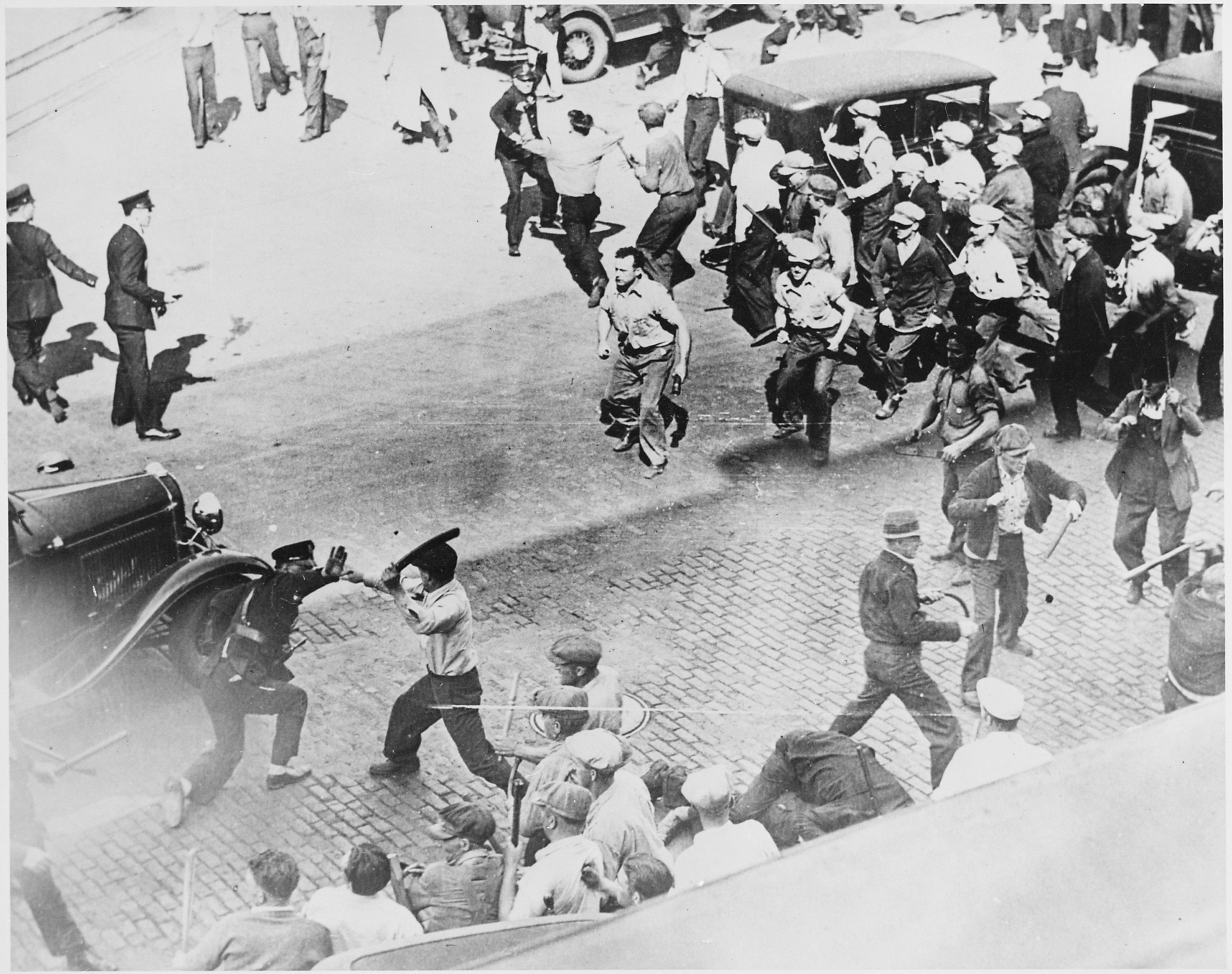
Violent anti-government protests broke out in the Albanian capital of Tirana on Monday, resulting in widespread property damage and dozens of injuries. Demonstrators clashed with law enforcement authorities, targeting state institutions, financial establishments, and commercial enterprises. According to local authorities, at least 23 police officers and six civilians sustained injuries during the hours of unrest, while security forces detained 35 individuals in connection with the violence.
In response to the escalation, Albanian President Bajram Begaj issued a strong public condemnation of the violence, urging restraint and appealing for calm across the nation. Security forces have since reinforced their presence around critical government infrastructure in Tirana to prevent further escalations, as investigators work to identify the core agitators behind the coordinated attacks on public and private property.
The sudden outbreak of civil unrest reflects deep-seated political and economic grievances within the Balkan nation. Albania has experienced persistent political polarization, with opposition groups frequently accusing the ruling administration of corruption, economic mismanagement, and democratic backsliding. While public demonstrations are a regular feature of the country's turbulent political landscape, they occasionally devolve into direct confrontations between protesters and state security apparatuses when channels for institutional dialogue appear blocked.
Civil unrest of this nature typically arises from a complex mix of socioeconomic dissatisfaction, including high living costs, unemployment, and a general lack of faith in legal mechanisms to address public grievances. When political dissent lacks effective parliamentary outlets, frustration often spills onto the streets, transforming spontaneous gatherings or organized protests into volatile flashpoints where state-owned properties, banks, and commercial symbols of authority become primary targets for mob frustration.
As Albania pursues its long-term strategic objective of European Union integration, maintaining domestic stability, upholding the rule of law, and respecting democratic norms remain critical benchmarks for the country's progress. Political volatility and public unrest in Tirana not only pose immediate challenges to internal security and economic development, but also resonate across the wider Western Balkans, a strategically sensitive region where stability is viewed by international partners as vital to broader European security.
Produced by our editorial team, with AI assistance in editing.

