
Delta Air Lines Postpones New Atlanta-to-Riyadh Route Amid Regional Security Concerns
Delta Air Lines has officially postponed the launch of its anticipated direct route connecting Hartsfield-Jackson Atlanta International Airport to Riyadh,
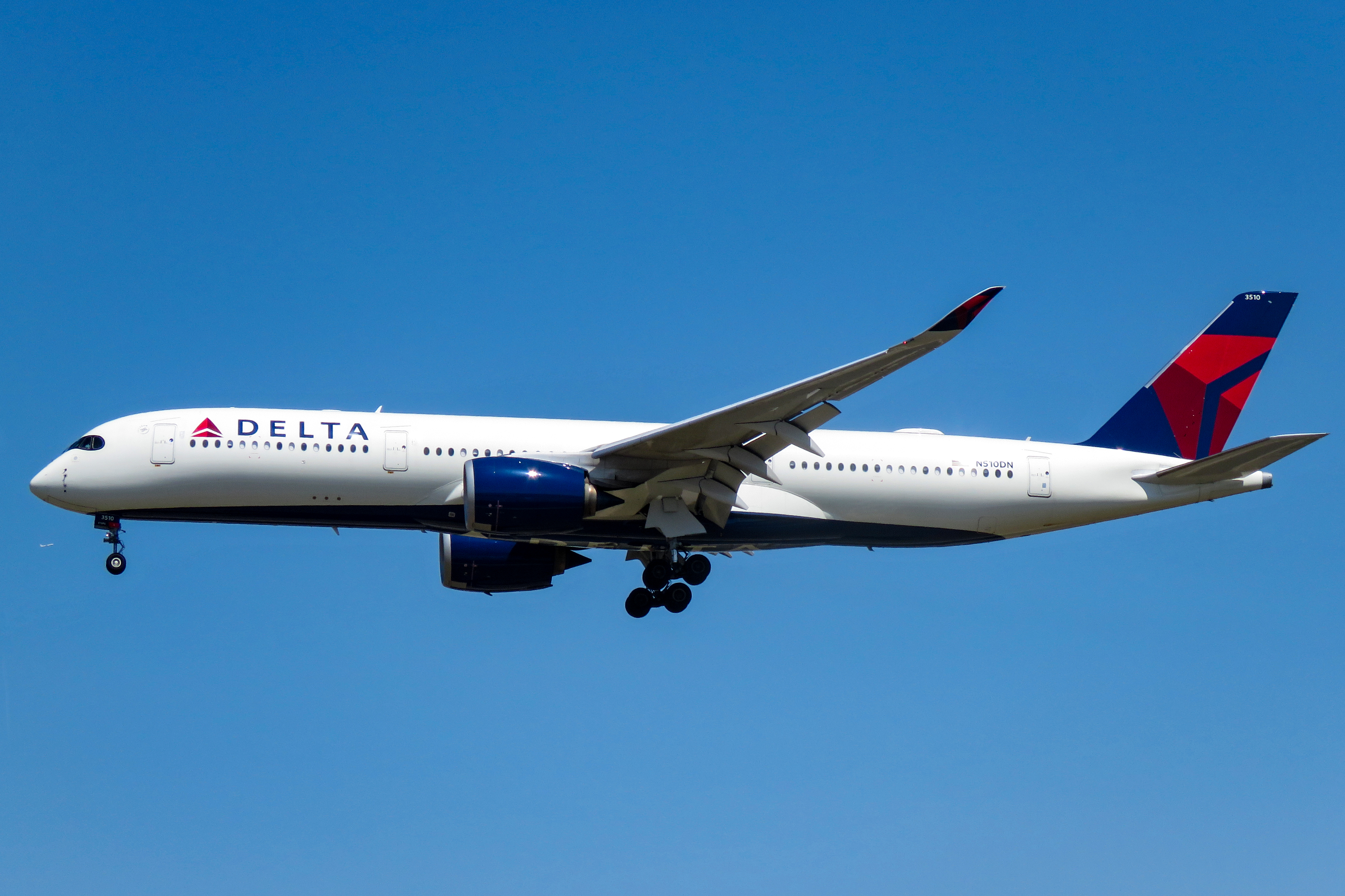
Delta Air Lines has officially postponed the launch of its anticipated direct route connecting Hartsfield-Jackson Atlanta International Airport to Riyadh, Saudi Arabia. The decision comes in the wake of escalating regional security concerns, specifically ongoing Houthi attacks targeting locations within Saudi Arabia, which prompted the carrier to reassess the viability and safety of initiating the new service.
The proposed route was slated to establish a crucial commercial link between Delta’s primary global hub in Atlanta—the world's busiest airport by passenger volume—and the Saudi capital. Headquartered in Georgia, the major U.S. carrier operates thousands of daily flights across a vast international network spanning six continents. However, the rapidly shifting security landscape in the Middle East has forced a cautious pivot by airline executives prioritizing crew and passenger safety.
The disruption underscores the broader geopolitical risks currently impacting global aviation and international commerce. Houthi military actions, primarily centered around the Red Sea corridor and adjacent regions, have increasingly introduced volatility into the operational calculus of multinational corporations. While commercial aviation routes are heavily scrutinized and dynamically rerouted to mitigate airborne threats, the introduction of a brand-new long-haul service into a proximate conflict zone requires a baseline stability that current conditions do not reliably afford.
For Delta, pausing the Riyadh expansion represents a measured approach to network management. The airline, a founding member of the SkyTeam alliance and a dominant force in global commercial aviation by revenue and brand value, routinely balances aggressive international growth with rigorous risk assessment. Company officials have indicated that while the strategic rationale for connecting the U.S. Southeast to the Gulf economic hub remains intact, the schedule will remain on hold until a sustained de-escalation permits reliable operations.
The postponement carries broader implications for regional connectivity and economic diplomacy between the United States and the Gulf. Direct air corridors serve as vital infrastructure for bilateral trade, corporate investment, and diplomatic engagement. As security challenges in the Middle East continue to reverberate through global supply chains and transportation networks, carriers are increasingly compelled to weigh economic opportunities against an unpredictable security environment, highlighting the vulnerability of international transit corridors to localized conflicts.
Produced by our editorial team, with AI assistance in editing.