Croatia Approves Extradition of Ukrainian to Germany Over Pipeline Sabotage
A Croatian court on Tuesday approved the extradition of Ukrainian national Volodymyr Zhuravlov to Germany, where he faces charges over his alleged role in
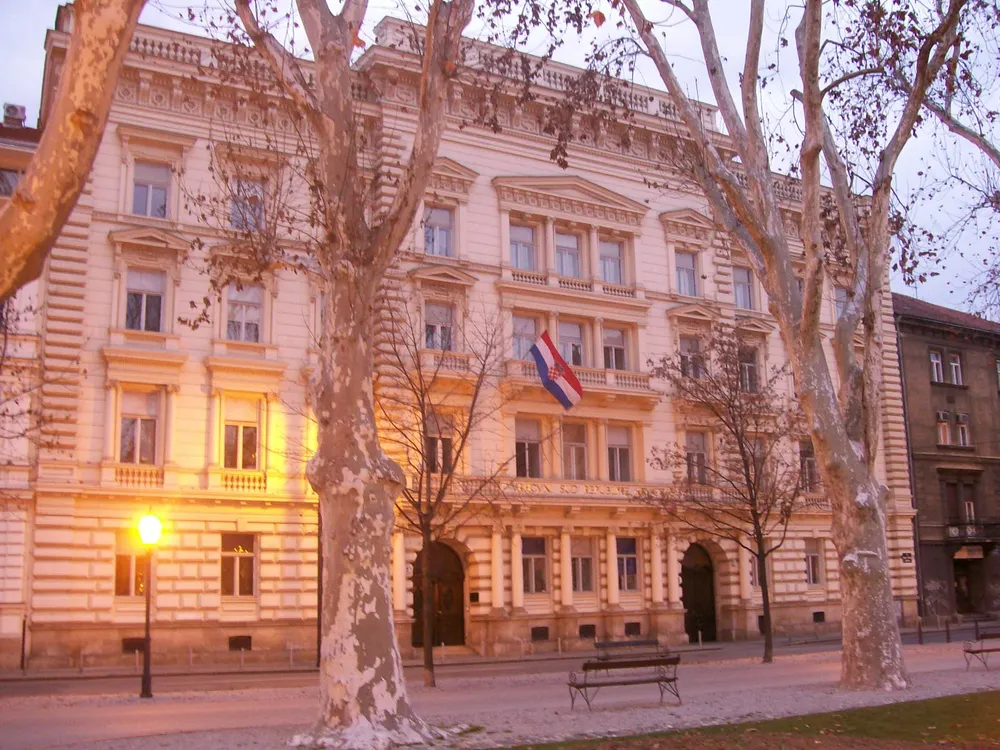
A Croatian court on Tuesday approved the extradition of Ukrainian national Volodymyr Zhuravlov to Germany, where he faces charges over his alleged role in sabotaging the Nord Stream 1 and Nord Stream 2 gas pipelines in 2022. The decision follows a request from German prosecutors, who argue that Zhuravlov, a former Ukrainian military officer, is a key suspect in a series of attacks that damaged the pipelines and disrupted natural‑gas flows from Russia to Europe. The extradition will be carried out under the European Arrest Warrant framework, a mechanism that facilitates cross‑border cooperation between EU member states.
Zhuravlov’s alleged involvement stems from a series of incidents in late 2022, when two explosions damaged sections of the Nord Stream pipelines beneath the Baltic Sea. German authorities have attributed the attacks to a covert group allegedly linked to Ukraine’s special forces, citing forensic evidence and intercepted communications. Zhuravlov, who was reportedly stationed near the pipeline route at the time, has denied any involvement and claims he was an innocent bystander. Ukrainian officials have expressed willingness to cooperate with German investigations, but they have also highlighted the need for a fair trial and due process.
The Croatian judiciary, a civil‑law system that has been largely harmonised with EU law since the country’s accession in 2013, played a central role in this decision. The Croatian Supreme Court, the highest judicial authority in the country, reviewed the legal merits of the extradition request. The court’s ruling underscored Croatia’s commitment to the rule of law and to the EU’s principles of mutual legal assistance. The Ministry of Justice, which administers the courts and prison system, has overseen the logistical aspects of the extradition, ensuring that the transfer complies with both Croatian and EU regulations.
Germany’s position is that extraditing Zhuravlov is essential to securing justice for the victims of the pipeline sabotage, which had significant economic and security implications for the European energy market. The German prosecutor’s office argues that the evidence points to a coordinated attack aimed at undermining European energy security and that the suspect’s flight to Croatia could hinder the investigation. Ukrainian officials, meanwhile, have stressed the need for a transparent judicial process, warning that the case could have diplomatic repercussions if handled improperly.
The case also highlights the broader geopolitical tensions surrounding the Nord Stream pipelines. Since their construction, the pipelines have been a focal point of contention between Russia and the West, with the 2022 sabotage incidents intensifying concerns over energy dependence and supply chain resilience. Extraditing a suspect from a third country to Germany demonstrates the reach of EU legal mechanisms in addressing transnational crimes that affect the region’s stability. It also signals to other EU members that cooperation in counter‑terrorism and infrastructure protection is a priority, reinforcing the bloc’s collective security posture.
For Taiwan and the wider region, the extradition may seem tangential, but it underscores the interconnectedness of global energy supply chains and the importance of legal cooperation in safeguarding critical infrastructure. As Taiwan’s own semiconductor industry remains heavily dependent on European and US supply chains, any disruption in European energy markets can reverberate through global production networks. Moreover, the case exemplifies how international legal frameworks can be mobilised to address cross‑border threats, a lesson that could inform Taiwan’s own strategies for securing its key industries and ensuring resilience against geopolitical shocks.
Produced by our editorial team, with AI assistance in editing.