66 soldiers sentenced to death by DR Congo military court.
In Goma, the provincial capital of North Kivu in the Democratic Republic of the Congo, a military tribunal delivered its verdict on Friday, sentencing 66 s
In Goma, the provincial capital of North Kivu in the Democratic Republic of the Congo, a military tribunal delivered its verdict on Friday, sentencing 66 soldiers to death on charges of cowardice, mutiny and failure to obey orders. The defendants were arrested after a firefight with the Front for the Refoundation of the Nation (FRN) rebels on 14 March, during which the soldiers allegedly abandoned their posts and fled, allowing the insurgents to seize a strategic checkpoint. The court, convened under the authority of the Congolese Armed Forces, handed down the most severe punishment available under military law, a decision that has drawn international scrutiny.
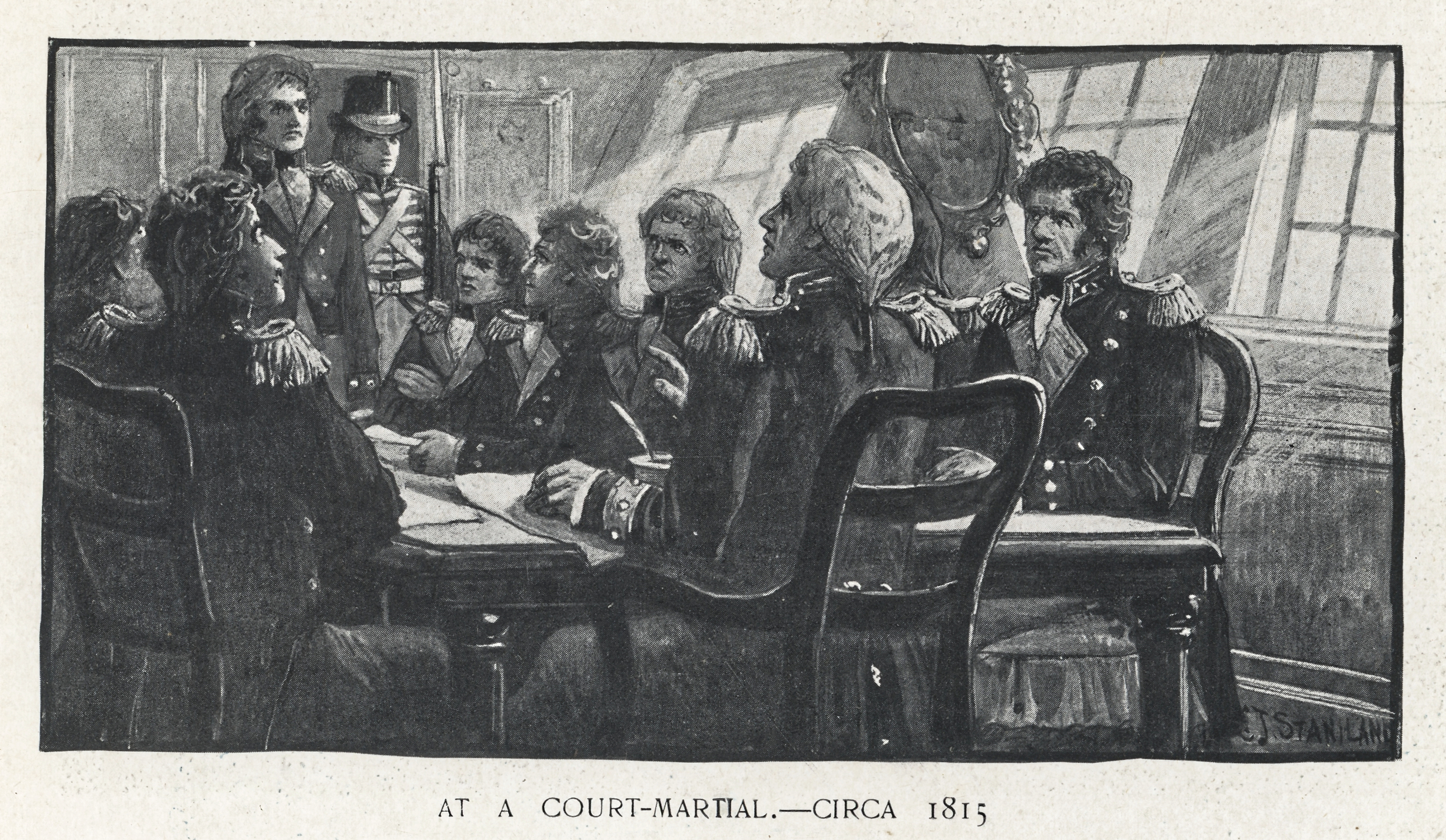
A court‑martial is a specialized judicial body that adjudicates breaches of military discipline and, when necessary, war crimes. Unlike civilian courts, it operates under a separate legal regime that permits rapid proceedings and, in some jurisdictions, more stringent penalties. The Geneva Conventions stipulate that prisoners of war tried for war crimes must receive procedures equivalent to those afforded to the detaining power’s own forces, a standard that courts‑martial are expected to uphold. In the DRC, the military justice system has evolved to include both disciplinary hearings and criminal trials, with the former typically addressing conduct that undermines unit cohesion, such as mutiny or desertion.
North Kivu has been a flashpoint of violence since the late 1990s, with various militias and rebel groups contesting control of mineral‑rich territory. The FRN, an offshoot of the older Nationalist and Patriotic Front, emerged in 2021 claiming to defend the interests of local communities against perceived abuses by the national army. The clash that precipitated the court‑martial began when the FRN launched a surprise attack on a Congolese Army outpost guarding a road to the town of Kalehe. According to army spokesmen, the soldiers initially held their positions but later withdrew without orders, leading to the loss of the post and a tactical setback. The FRN capitalised on the vacuum, seizing supplies and inflicting casualties on the retreating troops.
Reactions to the sentencing have been mixed. The Congolese government has defended the verdict as a necessary measure to preserve military discipline and deter future insubordination, citing the need to maintain order amid ongoing insurgencies. UN peacekeeping forces, which have been present in North Kivu since 2007, have expressed concern about the potential for increased violence if the soldiers’ families and communities view the sentence as excessively punitive. Human rights organisations, including Amnesty International, have called for a review of the proceedings, noting that the death penalty for alleged cowardice raises questions about due process and proportionality under international law.
The case underscores broader regional implications. Stability in the DRC is pivotal for the security of Central African supply chains, particularly those linked to cobalt and coltan—key raw materials for semiconductor manufacturing. Any escalation in violence could disrupt mining operations, affecting global technology markets. Moreover, the incident highlights the fragility of the DRC’s military institutions, a factor that could influence the effectiveness of the United Nations Mission in the Democratic Republic of the Congo (MONUSCO) in managing conflict dynamics. As the international community watches, the outcome may shape how military justice is perceived across the continent, with potential ripple effects on how other states balance discipline, human rights, and counterinsurgency strategies.
Produced by our editorial team, with AI assistance in editing.