
Clashes in Bucharest Leave 24 Injured During Protests Over Agricultural Restrictions
Demonstrators and law enforcement clashed in the Romanian capital of Bucharest as protests against strict agricultural regulations and live export restrict
Demonstrators and law enforcement clashed in the Romanian capital of Bucharest as protests against strict agricultural regulations and live export restrictions turned violent. The confrontations resulted in 24 injuries, including eight gendarmes, and prompted police to detain 26 protesters. The unrest centers on government measures implemented to contain ovine rinderpest, alongside wider grievances over EU-aligned agricultural policies that farmers argue threaten their livelihoods.
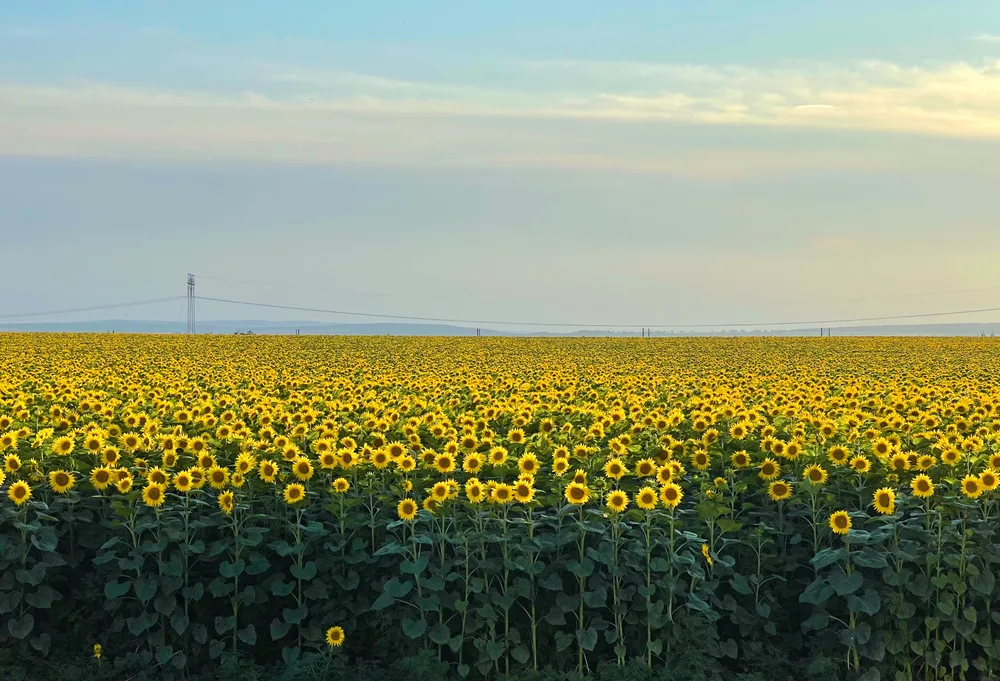
The protests highlight deep-seated vulnerabilities within Romania’s agricultural sector, which remains a cornerstone of the national economy and society. Spanning nearly 13.5 million hectares of agricultural land, farming supports a vast portion of the rural population. Unlike the heavily consolidated and mechanized agricultural markets of Western Europe, Romanian farming is characterized by a fragmented landscape of smallholdings, with the majority of farms spanning under five hectares. Despite strong macro-level production metrics—including ranking as the European Union’s leading producer of sunflower seeds, honey, and plums—the sector contends with persistent structural challenges, including lower levels of mechanization, limited capital investment, and an outsized reliance on manual and animal labor in rural areas.
While agriculture contributes roughly 4.3 percent to Romania’s gross domestic product, it employs approximately 23 percent of the country’s total labor force, representing the highest proportion of agricultural employment in the European Union. This high labor dependency makes rural communities particularly sensitive to regulatory shifts, disease outbreaks, and market disruptions. Restrictions on live exports, introduced to curb the spread of ovine rinderpest, directly threaten the immediate income of sheep farmers and smallholders who rely heavily on foreign trade channels for livestock.
Protesters argue that top-down sanitary mandates and environmental rules are imposed without adequate financial compensation or institutional support for small-scale operators, who already struggle with a lack of major modernization investments. Conversely, authorities maintain that stringent biosecurity protocols are essential to protect the broader livestock industry from devastating contagion and to maintain compliance with European Union health standards. As government officials attempt to balance public health directives with economic stability, the escalating tensions reflect a broader European friction point between regulatory compliance and the economic survival of traditional farming communities.
Produced by our editorial team, with AI assistance in editing.
