
Chile Retirement Home Fire Kills 16 Residents, Investigation Underway
A blaze engulfed a retirement home near Pitrufquén, a small town in Chile’s Los Ríos Region, on Sunday night, killing at least 16 residents and injuring te
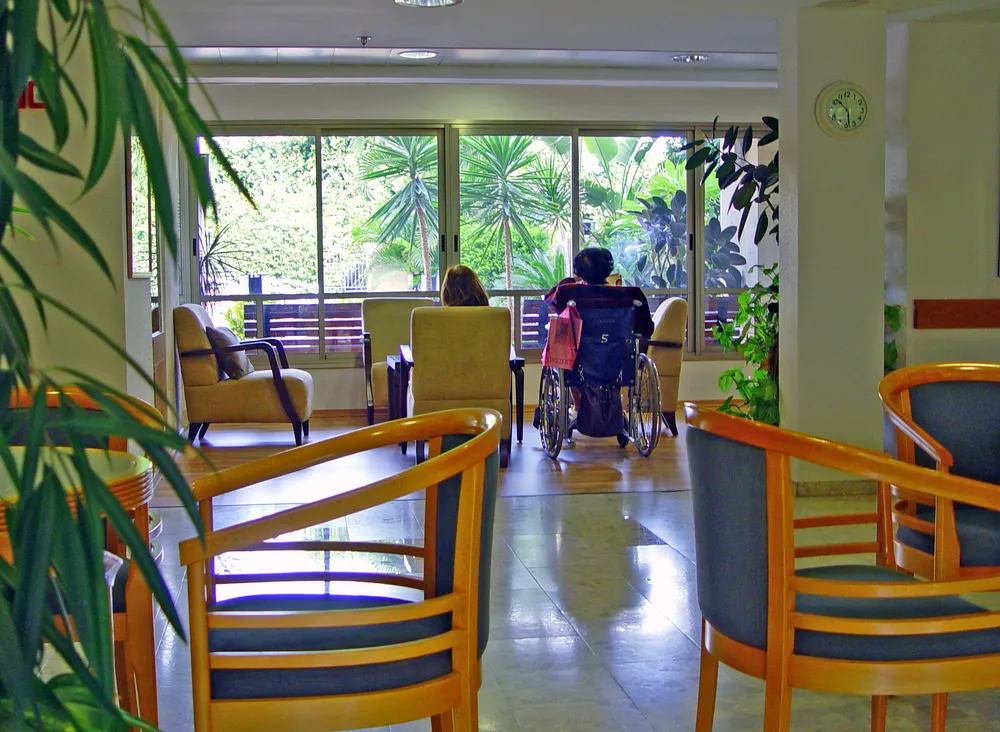
A blaze engulfed a retirement home near Pitrufquén, a small town in Chile’s Los Ríos Region, on Sunday night, killing at least 16 residents and injuring ten others who were rescued and hospitalized. Firefighters arrived within minutes of the first alarm, but the fire’s rapid spread and the building’s limited escape routes prevented many from escaping. The incident is under investigation by the Chilean Ministry of the Interior and the local fire department, which have pledged a thorough review of the facility’s safety measures.
Retirement homes, also known as old people’s homes or assisted‑living facilities, are designed to provide independent living for seniors with optional services such as meal preparation, personal care, and basic medical support. Unlike nursing homes, which offer continuous medical supervision, retirement homes typically rely on residents to manage most of their daily needs and provide a more domestic environment. Facilities may include communal dining areas, recreational spaces, and sometimes on‑site health services, but the level of medical care varies widely. The cost of living in such homes can range from roughly US$25,000 to $100,000 per year, depending on the level of amenities and care offered.
Chile’s eldercare infrastructure has expanded in recent years as the country’s population ages. By 2025, the proportion of citizens over 65 is projected to rise to 13 percent, prompting a surge in private and public retirement homes. Nonetheless, the country’s regulatory framework for fire safety in such facilities is still evolving. The incident has prompted officials to scrutinize the building’s compliance with fire codes, including the adequacy of fire alarms, sprinkler systems, and emergency exits. Family members of the victims have expressed frustration over what they perceive as insufficient oversight, while the government has assured that it will tighten enforcement and conduct regular inspections of similar establishments.
The tragedy echoes a broader global concern about the safety of elderly residents in assisted‑living environments. In recent years, high‑profile fires in senior homes in Hong Kong, Japan, and the United States have highlighted the vulnerabilities of aging populations to fire hazards, especially in older buildings with inadequate fire suppression systems. International bodies such as the World Health Organization have called for stricter safety standards and emergency preparedness plans in eldercare facilities worldwide. The Chilean case underscores the need for clear guidelines on building codes, staff training, and emergency evacuation protocols tailored to the specific risks faced by older residents.
For Taiwan, the incident is a stark reminder of the challenges posed by a rapidly aging society. With its own projected increase in the senior population, Taiwan has been reviewing its eldercare regulations and investing in fire‑safe construction for new facilities. The country imports a significant portion of its fire‑suppressive equipment, and the Chilean incident could influence Taiwan’s procurement strategies and regulatory priorities. Moreover, the event underscores the importance of cross‑border cooperation on eldercare safety standards, as shared best practices can help prevent similar tragedies. As both Chile and Taiwan grapple with the dual pressures of demographic change and infrastructure aging, the fire near Pitrufquén serves as a cautionary tale that may shape policy decisions and industry practices across the region.
Produced by our editorial team, with AI assistance in editing.