
Bank of England to feature native wildlife on new pound notes.
The Bank of England announced on Monday that its forthcoming series of pound sterling notes will feature four native British animals – the Atlantic puffin,
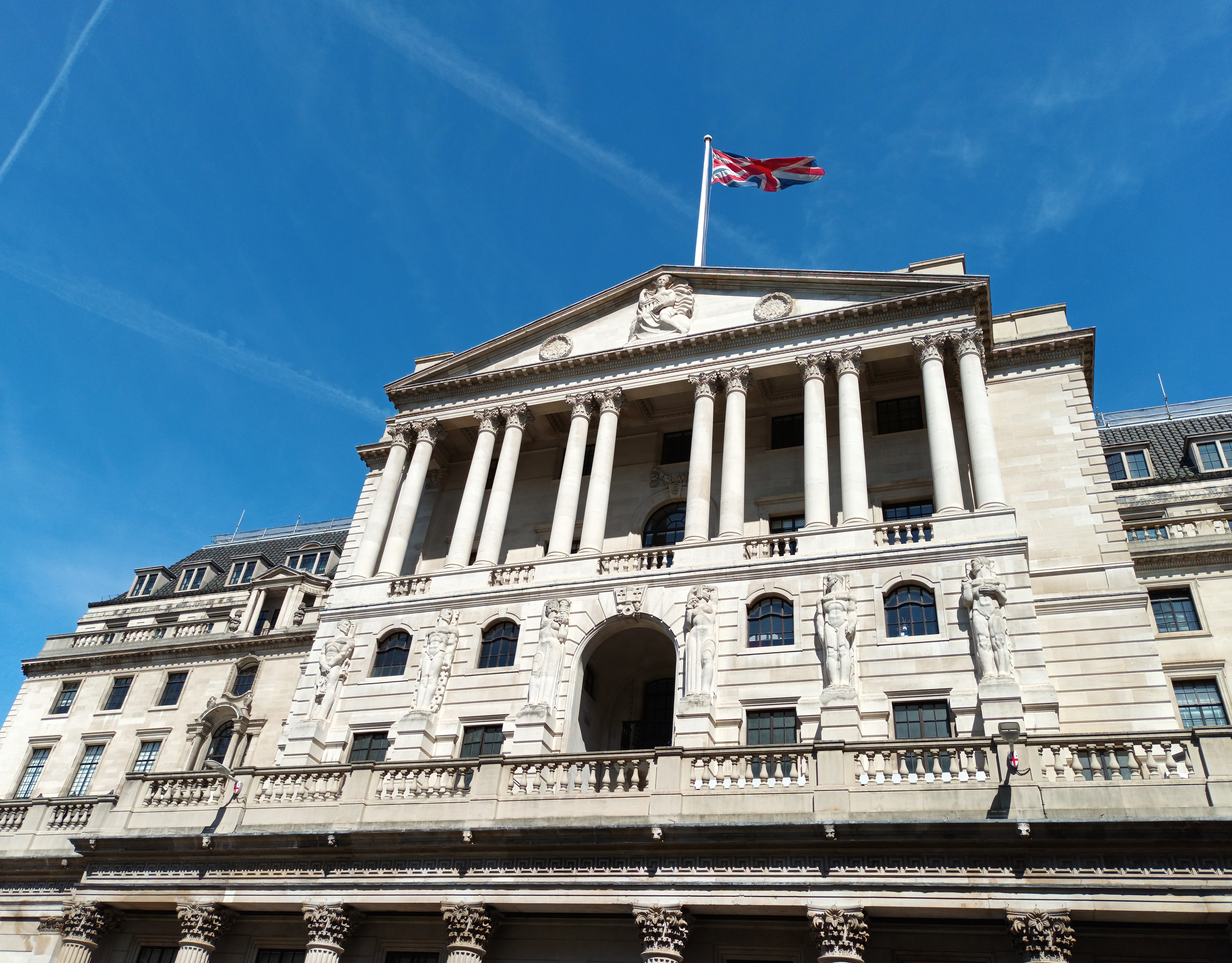
The Bank of England announced on Monday that its forthcoming series of pound sterling notes will feature four native British animals – the Atlantic puffin, barn owl, buff‑tailed bumblebee and European hedgehog – instead of portraits of historical figures. The move, first of its kind in the United Kingdom, is intended to raise public awareness of wildlife conservation while keeping the currency secure and modern.
The Bank of England, founded in 1694 and the world’s second‑oldest central bank, has long been a model for other national monetary authorities. After operating as a private institution until its nationalisation in 1946, the bank became an independent public body in 1998, wholly owned by the Treasury Solicitor. Its mandate is to support the government’s economic policies while maintaining price stability and financial stability, and it now functions as a statutory regulator of the UK’s banking system. The bank’s headquarters, known colloquially as “The Old Lady of Threadneedle Street,” have been in London’s financial district since the 17th century.
The decision to replace human portraits with wildlife marks a significant shift in the Bank’s design philosophy. The animals chosen represent a cross‑section of Britain’s diverse ecosystems, from coastal seabirds to woodland creatures and pollinators. The Bank said the selection process involved consultations with ecologists, artists and the public, and that the new notes would incorporate advanced security features such as colour‑changing inks, holographic strips and micro‑printing to deter counterfeiting. The design also aims to make the notes more accessible to visually impaired users by adding raised tactile elements.
Public reaction has been mixed. Supporters applaud the initiative as a creative way to highlight environmental issues and foster a sense of national stewardship of wildlife. Critics, however, argue that replacing iconic portraits of monarchs and statesmen with animals could dilute the symbolic heritage of the currency. Some design experts have questioned whether the new imagery will resonate with older generations accustomed to familiar faces on banknotes, potentially affecting public acceptance and circulation.
From the Bank’s perspective, the change is part of a broader effort to modernise the currency and engage younger citizens. The Bank has previously introduced polymer notes and redesigned earlier series to improve durability and security. By foregrounding wildlife, the Bank hopes to spark conversations about conservation and biodiversity, aligning with the UK’s commitments under the United Nations Sustainable Development Goals.
For Taiwan and the wider region, the announcement is largely a cultural and design development rather than an economic shock. Taiwan’s own currency, the New Taiwan dollar, has not undergone similar wildlife-themed redesigns, and the change in British banknote imagery is unlikely to affect Taiwan’s trade flows or financial markets directly. However, the move reflects a growing trend among major economies to infuse national currencies with environmental and cultural motifs, signalling a shift toward sustainability‑oriented branding. This could influence how businesses, tourists and investors perceive the UK, potentially reinforcing its image as a forward‑thinking, environmentally conscious market that remains attractive for investment and trade, including with Taiwan’s robust high‑tech and manufacturing sectors.
Produced by our editorial team, with AI assistance in editing.
