
Bank of England to Feature British Wildlife on New Banknotes in 2025
The Bank of England (BoE) announced on Tuesday that the next series of pound sterling notes will feature four British wildlife species: the Atlantic puffin
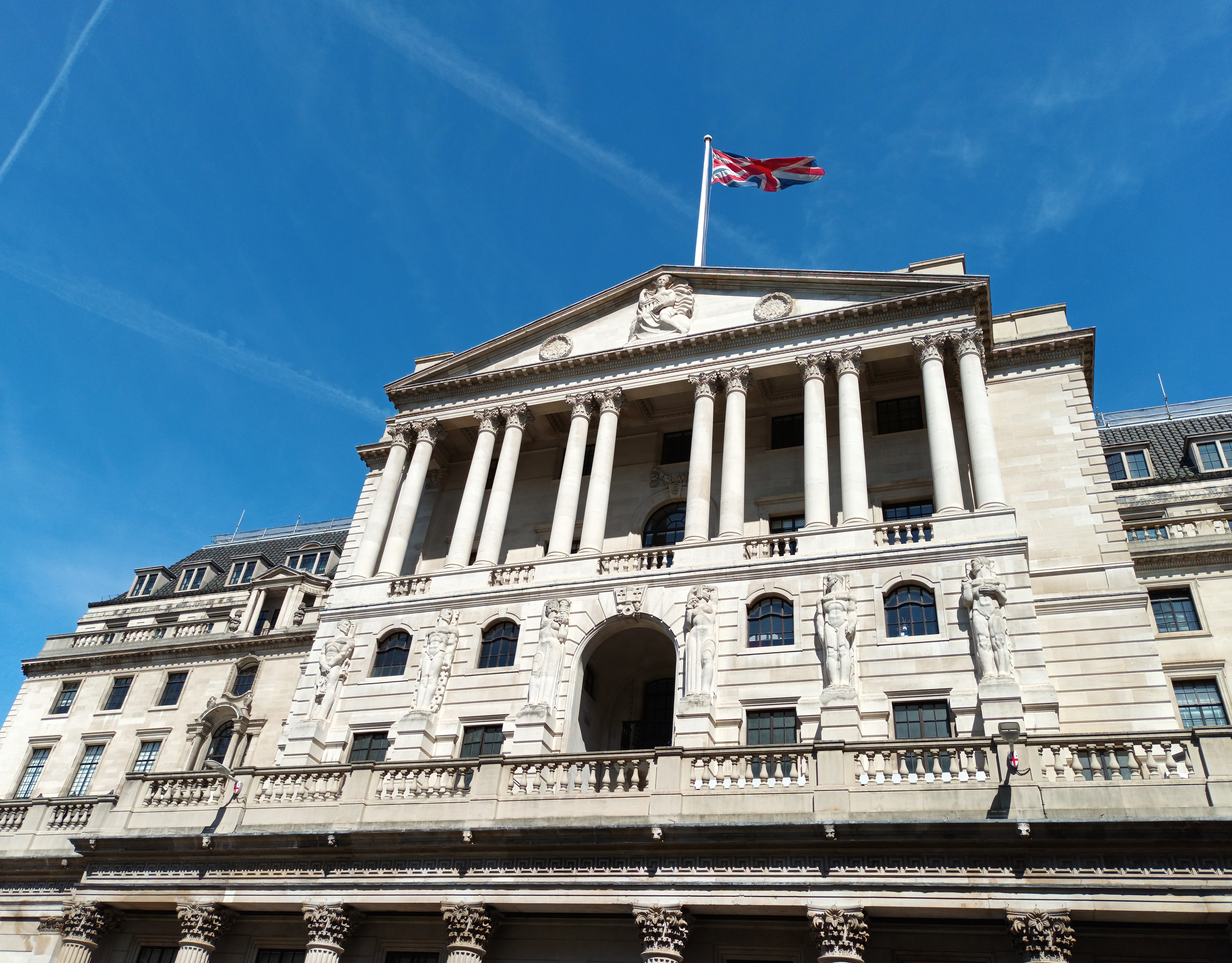
The Bank of England (BoE) announced on Tuesday that the next series of pound sterling notes will feature four British wildlife species: the Atlantic puffin, barn owl, buff‑tailed bumblebee, and European hedgehog. The change, slated to roll out in 2025, marks the first time animals will replace people on UK banknotes, a move the BoE says is intended to raise public awareness of the nation’s natural heritage. The announcement was made at a press briefing in the Bank’s historic headquarters on Threadneedle Street, London, and has already sparked discussions across financial, environmental, and cultural circles.
Founded in 1694 as the English Government’s banker and debt manager, the BoE has evolved into one of the world’s “Big Four” central banks. Nationalised in 1946 and declared fully independent in 1998, it is now a public organisation wholly owned by the Treasury Solicitor. Its mandate, while primarily to support government economic policy, is heavily weighted toward maintaining price stability and, in recent decades, overseeing financial stability as a statutory regulator. The BoE’s reputation for prudence and innovation underpins the decision to experiment with currency design, signalling a willingness to blend monetary policy with broader social objectives.
Designing a new banknote involves a complex blend of security, aesthetics, and public engagement. The BoE’s design team worked with wildlife scientists and artists to ensure the animals are depicted accurately and sympathetically. Security features such as holographic strips, micro‑printing and colour‑changing inks will be incorporated to deter counterfeiting. While collectors have greeted the proposal enthusiastically, some critics worry that the cost of re‑printing and the potential confusion of unfamiliar imagery could outweigh the environmental message. The BoE argues that the initiative will generate a modest revenue stream from the sale of commemorative issues and will reinforce the country’s commitment to biodiversity.
Environmental groups have largely welcomed the change, citing the symbolic power of everyday currency to promote conservation. The Royal Society for the Protection of Birds praised the inclusion of the Atlantic puffin and barn owl, species that have faced declining populations. Conversely, a small cohort of monetary analysts caution that the move could be perceived as a political statement rather than a purely economic decision, potentially distracting from the BoE’s core responsibilities. The bank has reiterated that the decision was made through a rigorous consultation process and that it remains fully committed to its regulatory and monetary roles.
For Taiwan and the broader region, the BoE’s decision could have subtle yet meaningful implications. As a major trading partner, the UK’s currency design choices influence global perceptions of stability and innovation, factors that can affect cross‑border financial flows and investor confidence. Moreover, Taiwan’s own Central Bank has issued wildlife‑themed notes in the past, and the British example may inspire similar initiatives that blend environmental messaging with monetary policy. In a world where supply chains and trade increasingly intersect with ecological concerns, such symbolic gestures reinforce the link between economic instruments and sustainability objectives, encouraging policymakers and businesses alike to consider the environmental footprint of their operations.
Produced by our editorial team, with AI assistance in editing.
