
Bangladesh's measles outbreak claims 7 more child lives, total 1,009.
Seven children in Bangladesh died from suspected measles over the past 24 hours, a tragic rise that pushes the country’s death toll to 1,009. The fatalitie
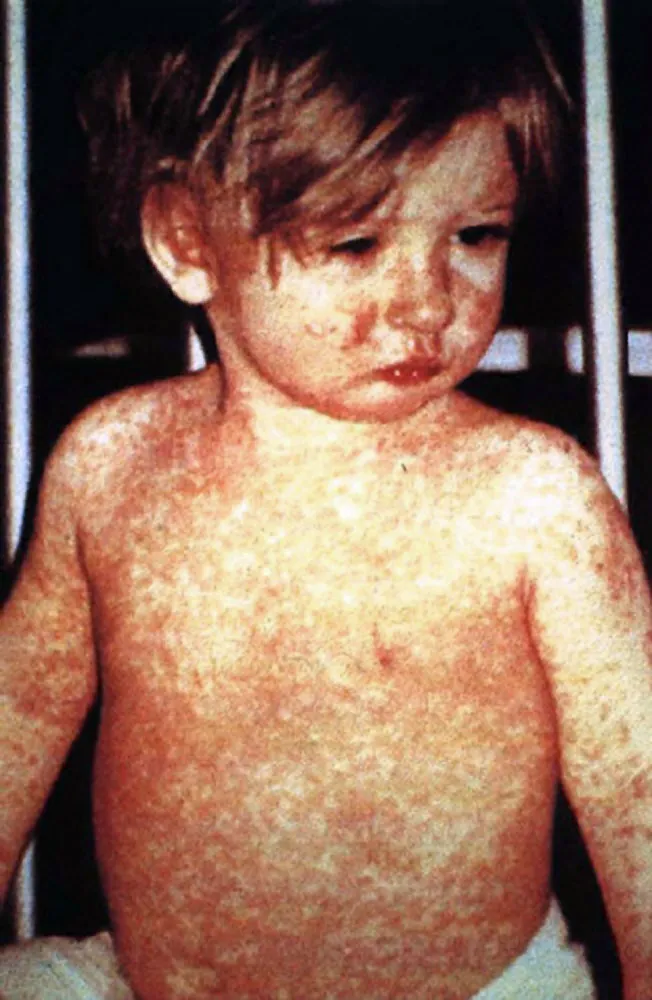
Seven children in Bangladesh died from suspected measles over the past 24 hours, a tragic rise that pushes the country’s death toll to 1,009. The fatalities were reported by local health authorities in Dhaka’s capital and surrounding districts, where a widespread outbreak has already claimed more than 200 lives this year. The Ministry of Health has confirmed the deaths, but details on the exact locations and the ages of the deceased remain limited. The new figures arrive as the national government continues to mobilise emergency vaccination teams and intensify public‑health messaging.
Measles is a highly contagious, airborne viral illness that spreads through coughs, sneezes and close contact. Symptoms typically begin 10–12 days after exposure and include a high fever, cough, runny nose, inflamed eyes and a characteristic red rash that starts on the face and spreads to the body. Complications—such as diarrhea, middle‑ear infections, pneumonia, seizures and, in severe cases, blindness—arise from the virus’s capacity to suppress the immune system. The disease is preventable through a single dose of measles‑mumps‑rubella (MMR) vaccine, which offers long‑lasting immunity. Nonetheless, measles outbreaks still occur in regions where routine immunisation coverage has fallen.
Bangladesh’s current crisis stems partly from a sharp decline in routine vaccine uptake during the COVID‑19 pandemic, compounded by logistical challenges in rural and peri‑urban settings. In 2022, national immunisation coverage for the first dose of MMR fell to 68 % from 82 % in 2019, creating a sizeable susceptible population. Health officials have pointed to disruptions in supply chains, reduced community outreach, and vaccine hesitancy driven by misinformation as key factors. The latest wave of cases has been concentrated in densely populated districts such as Chittagong and Sylhet, where healthcare facilities are already strained by seasonal illnesses and limited laboratory capacity.
The government has responded by deploying additional vaccination teams to high‑risk districts, expanding the emergency measles‑vaccination campaign that began in March, and coordinating with the World Health Organization and UNICEF to secure additional vaccine doses. WHO’s regional office has urged the Bangladeshi authorities to adopt a “case‑based surveillance” approach, ensuring rapid identification and isolation of suspected cases. Meanwhile, local non‑governmental organisations have stepped in to distribute educational materials and to support community health workers in reaching remote villages. Critics argue that the response has been too slow, citing bureaucratic delays in approving emergency procurement of vaccines and in mobilising trained personnel.
Beyond Bangladesh, the outbreak has implications for the wider South Asian region. Measles is a global health security priority, and uncontrolled transmission in one country can lead to cross‑border spread, particularly in densely connected urban centres. The region’s supply chains—especially for medical supplies and vaccines—are already vulnerable to disruptions from natural disasters and geopolitical tensions. A surge in measles cases could strain neighbouring health systems, diverting scarce resources from other critical programmes such as maternal‑child health and tuberculosis control.
For Taiwan, the situation underscores the importance of robust vaccine supply chains and regional health cooperation. Taiwan has been a significant contributor of medical technology and vaccine expertise to Asia, and its experience in rapid vaccine development could inform collaborative efforts to shore up immunisation coverage in South Asia. Moreover, the outbreak highlights the interconnected nature of global public‑health threats: an uncontrolled epidemic anywhere can threaten trade, labour mobility and the stability of supply networks that reach even distant economies. Strengthening immunisation programmes in Bangladesh and its neighbours, therefore, is not only a humanitarian imperative but also a strategic investment in regional resilience.
Produced by our editorial team, with AI assistance in editing.