Bangladesh measles outbreak claims three more children, death toll nears 1,000
Three children have died in Bangladesh over the past 24 hours from illnesses that health officials suspect are measles, raising the nation’s confirmed deat
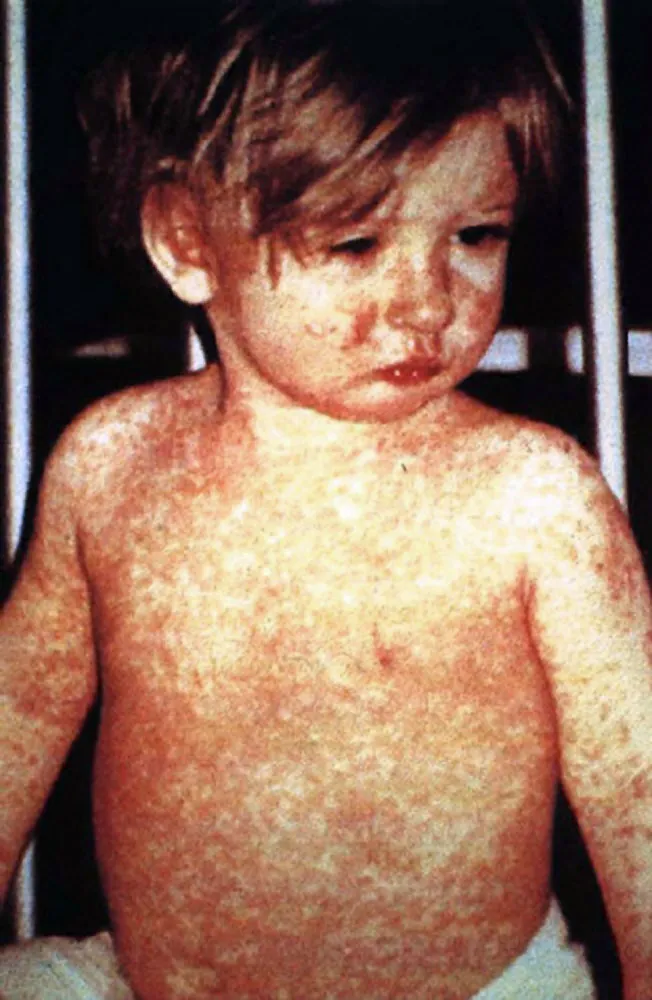
Three children have died in Bangladesh over the past 24 hours from illnesses that health officials suspect are measles, raising the nation’s confirmed death toll to 997 since the outbreak began earlier this year. The latest fatalities were reported by the Directorate General of Health Services (DGHS) in Dhaka, which said the children, all under the age of five, were taken to a government hospital with high‑fever, cough and a characteristic rash before succumbing to complications that doctors say are typical of severe measles infection. The deaths bring the cumulative figure close to the grim milestone of 1,000 lives lost, prompting renewed calls for urgent vaccination drives and international assistance.
Measles is one of the most contagious viral diseases known to medicine, spreading through airborne droplets when an infected person coughs or sneezes. After an incubation period of roughly ten to twelve days, patients develop a high fever, cough, runny nose, inflamed eyes and the hallmark Koplik spots inside the mouth, followed by a red, flat rash that spreads from the face to the rest of the body. While the disease is preventable through a two‑dose vaccine regimen, complications such as diarrhea, middle‑ear infection, pneumonia, seizures and, in severe cases, encephalitis can be fatal, especially among malnourished or immunocompromised children. The World Health Organization estimates that before widespread vaccination, measles caused an estimated 2.6 million deaths annually; today, gaps in immunisation remain the primary driver of outbreaks.
Bangladesh’s current crisis is rooted in a combination of systemic and situational factors. The country’s routine immunisation coverage, which had hovered around 90 % for the measles‑containing vaccine (MCV) before the COVID‑19 pandemic, slipped to roughly 78 % in 2022 according to UNICEF data, as lockdowns and health‑system strain disrupted routine outreach. In addition, large‑scale internal displacement caused by seasonal flooding and cyclones has left many families in temporary shelters where overcrowding and limited health services facilitate rapid viral transmission. Health officials also point to misinformation about vaccine safety that has proliferated on social media, undermining public confidence just as the country’s Expanded Programme on Immunisation (EPI) struggles to reach remote districts in the Chittagong Hill Tracts and the northern Rajshahi region.
In response, the Bangladeshi government has declared a public‑health emergency and mobilised a multi‑agency task force that includes the DGHS, the Ministry of Health and Family Welfare, and the United Nations Children’s Fund (UNICEF). Emergency vaccination campaigns are being accelerated, with mobile teams dispatched to high‑risk areas to deliver the measles‑rubella (MR) vaccine to children aged six months to fifteen years. The World Health Organization has sent a team of epidemiologists to assist with case‑tracking, laboratory confirmation and logistical support for cold‑chain maintenance. However, officials acknowledge that shortages of syringes, limited trained personnel and the sheer scale of the affected population pose significant hurdles. International donors have pledged additional funds, but the speed of disbursement and coordination among NGOs remains a critical concern.
The unfolding tragedy carries implications beyond Bangladesh’s borders. South‑East Asia’s densely populated and highly mobile societies mean that unchecked measles transmission can quickly cross national frontiers, threatening neighboring India, Myanmar and Nepal, where vaccine coverage also varies widely. For Taiwan, a region that maintains extensive trade and people‑to‑people links with Bangladesh—particularly in textiles, seafood and migrant labour—the outbreak underscores the importance of robust regional disease‑surveillance networks and coordinated vaccination strategies. A resurgence of measles in any part of the supply chain can disrupt logistics, strain health resources for expatriate communities, and prompt travel advisories that affect tourism and business travel. Moreover, the crisis highlights the broader challenge of maintaining immunisation momentum in the post‑pandemic era, a lesson that resonates with Taiwan’s own public‑health planning and its commitment to contributing to global health security through multilateral cooperation.
Produced by our editorial team, with AI assistance in editing.