
Avalanche on Russia's Mikhailov Mountain kills 11, leaves 6 missing
A large avalanche struck Mount Mizhirgi in Russia’s Kabardino‑Balkar Republic early this morning, killing 11 of the 33 climbers in the party, injuring six,
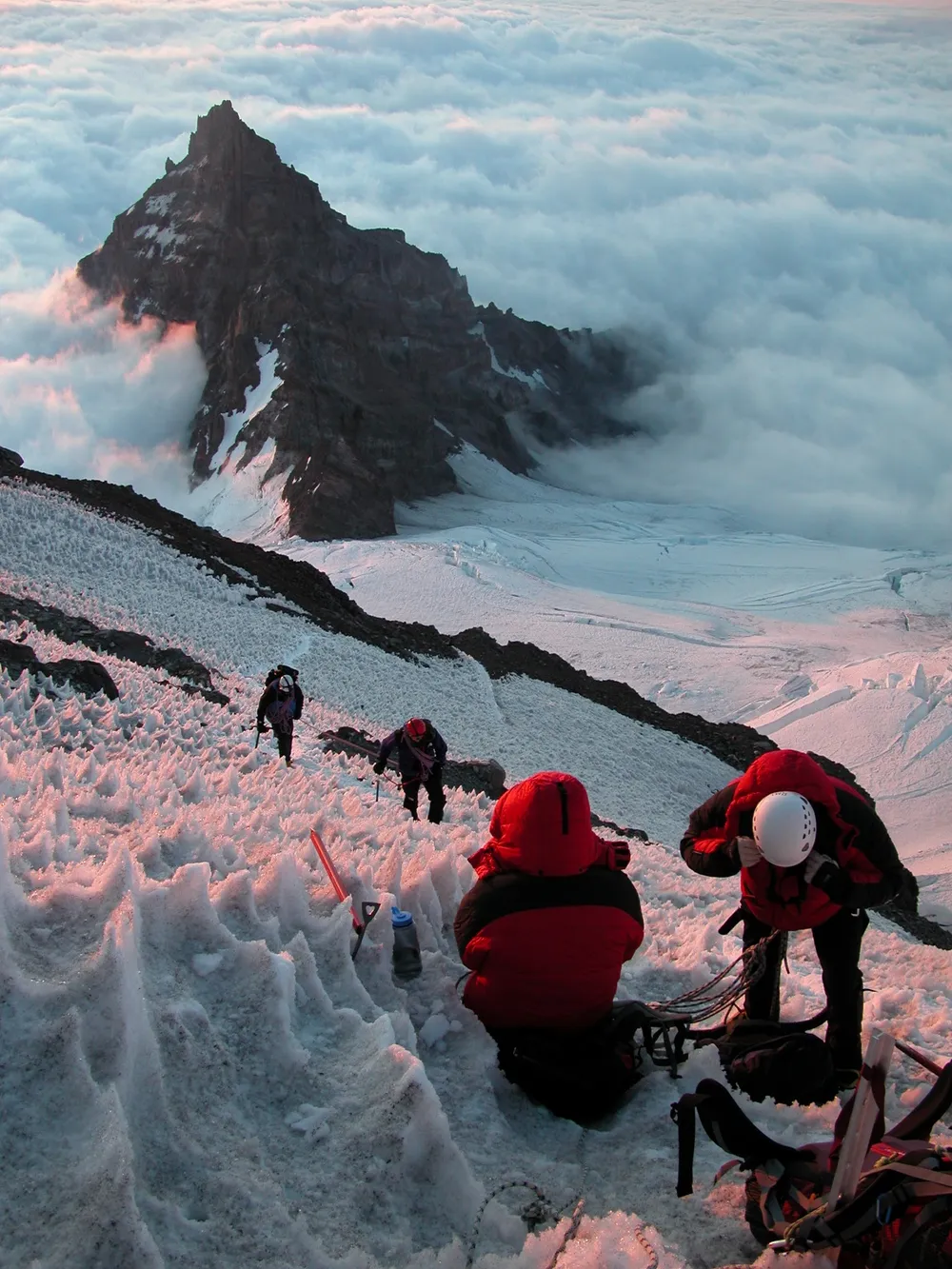
A large avalanche struck Mount Mizhirgi in Russia’s Kabardino‑Balkar Republic early this morning, killing 11 of the 33 climbers in the party, injuring six, and leaving another six missing. Rescue personnel arrived on the scene within two hours of the slide, launching search‑and‑rescue operations and providing medical assistance while continuing to look for the missing climbers.
Mount Mizhirgi lies in the high‑altitude region of the North Caucasus, where winter brings strong winds and deep snow, and the terrain is complex with rapidly changing weather. According to a statement from local Russian authorities, the group was advancing toward the summit along a well‑traveled climbing route when they failed to receive timely warnings about unstable snow conditions. Local rescue teams and military units have deployed helicopters and snow‑search dogs to locate bodies buried in the snow and to track the missing persons.
Mountaineering is a high‑risk outdoor activity. Although the International Climbing and Mountaineering Federation (UIAA) is the globally recognised coordinating body, it lacks unified safety regulations and mandatory certification. Climbers in most countries rely on regional mountaineering clubs, guidebooks and personal experience to assess risk. The disaster underscores how decisions and equipment preparation can be constrained in environments lacking real‑time meteorological information and standardized safety guidelines.
In the aftermath, the Russian Mountaineering Association and several international climbing organisations issued statements urging stronger meteorological monitoring and information sharing for high‑hazard mountain areas, and recommending that climbers complete more stringent risk assessments before departure. Some international media outlets noted that climate change is increasing the frequency of avalanches worldwide, making mountain environments increasingly unpredictable; research institutes have begun developing finer‑grained models to predict snow‑pack instability.
For Taiwan, the North Caucasus avalanche serves as a reminder that local mountaineers must also give priority to real‑time weather data and risk assessment amid the island’s variable mountain climate. Taiwan’s high‑altitude routes on Yushan, Hehuan Mountain and others face sudden avalanche and flash‑flood threats. Relevant agencies can draw on the experience of international mountaineering bodies to strengthen mountain‑weather stations, enhance cross‑border information platforms, improve rescue efficiency, and establish clearer standards for climbing education and equipment inspection, thereby reducing the likelihood of similar tragedies on Taiwanese peaks.
Produced by our editorial team, with AI assistance in editing.