
At Least Three Dead After Heavy Rains Topple Building in Guinea’s Capital
A severe building collapse occurred this week in the suburbs of Conakry, the capital of the West African nation of Guinea. A nine-story building under cons
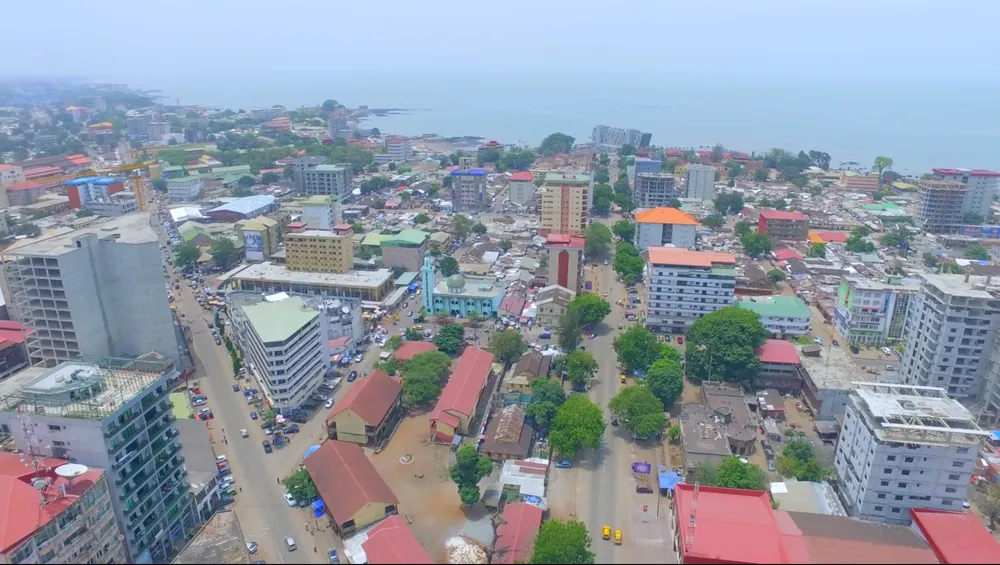
A severe building collapse occurred this week in the suburbs of Conakry, the capital of the West African nation of Guinea. A nine-story building under construction collapsed after its foundation and structure were unable to withstand the impact of several days of heavy rainfall. According to preliminary official statistics, the incident has left at least three people dead and several others injured. Search and rescue operations are ongoing amidst the rubble, and the casualty count is expected to rise.
Conakry, the site of this tragedy, is Guinea's capital and largest city, serving as the nation’s economic, financial, and cultural hub. As a major port city, Conakry is densely populated; 2025 census data indicates that the local population has exceeded 3.4 million, accounting for approximately one-fifth of Guinea's total population. With the acceleration of urbanization and a massive influx of residents, the demand for real estate in Conakry has surged in recent years, leading to a boom in construction projects. However, the speed of infrastructure development and the quality of regulatory oversight have long been significant challenges for the local government.
Following the collapse, public attention has turned once again to the country’s building safety standards and construction regulations. Located in West Africa, Guinea’s tropical climate brings heavy rainfall during the rainy season, placing high demands on the drainage systems and structural stability of buildings. Nevertheless, under the pressure of rapid urban expansion, issues such as illegal construction, substandard building materials, and a lack of rigorous engineering supervision have become chronic problems in the local construction industry. This incident has not only sparked public anxiety regarding residential safety but has also sounded an alarm for the Guinean government’s urban planning and public safety regulatory systems.
Currently, relevant Guinean authorities have launched an investigation to determine whether the building met national safety standards during construction and whether the collapse involved human error or regulatory violations. With extreme weather becoming increasingly frequent due to climate change, enhancing urban disaster resilience and implementing regular safety inspections for high-rise buildings have become urgent issues for the Guinean government as it balances urban development with the protection of human life. Traffic and power supplies in the vicinity of the disaster site have also been disrupted, and local authorities are working to clear the area and provide assistance to those affected.
For Taiwan, although direct diplomatic and economic ties with Guinea are relatively limited, this incident in a major West African city serves as a microcosm of the "resilient city" issue within the global urbanization process. As an island prone to earthquakes and typhoons, Taiwan possesses a mature regulatory framework for building seismic resistance, disaster prevention standards, and engineering quality. This incident serves as a reminder to Taiwanese readers that, when observing international news, the public safety risks arising from rapid urbanization in developing countries are often key indicators of a nation's governance capacity and infrastructure strength. It also provides an important reference for Taiwan in conducting local environmental risk assessments when engaging in international aid or related engineering cooperation.
Produced by our editorial team, with AI assistance in editing.
