
At Least 87 Civilians Kidnapped in Successive Northwest Nigeria Raids
Security in Nigeria has once again flashed red, with the local security situation taking a sharp turn for the worse in late September. According to foreign
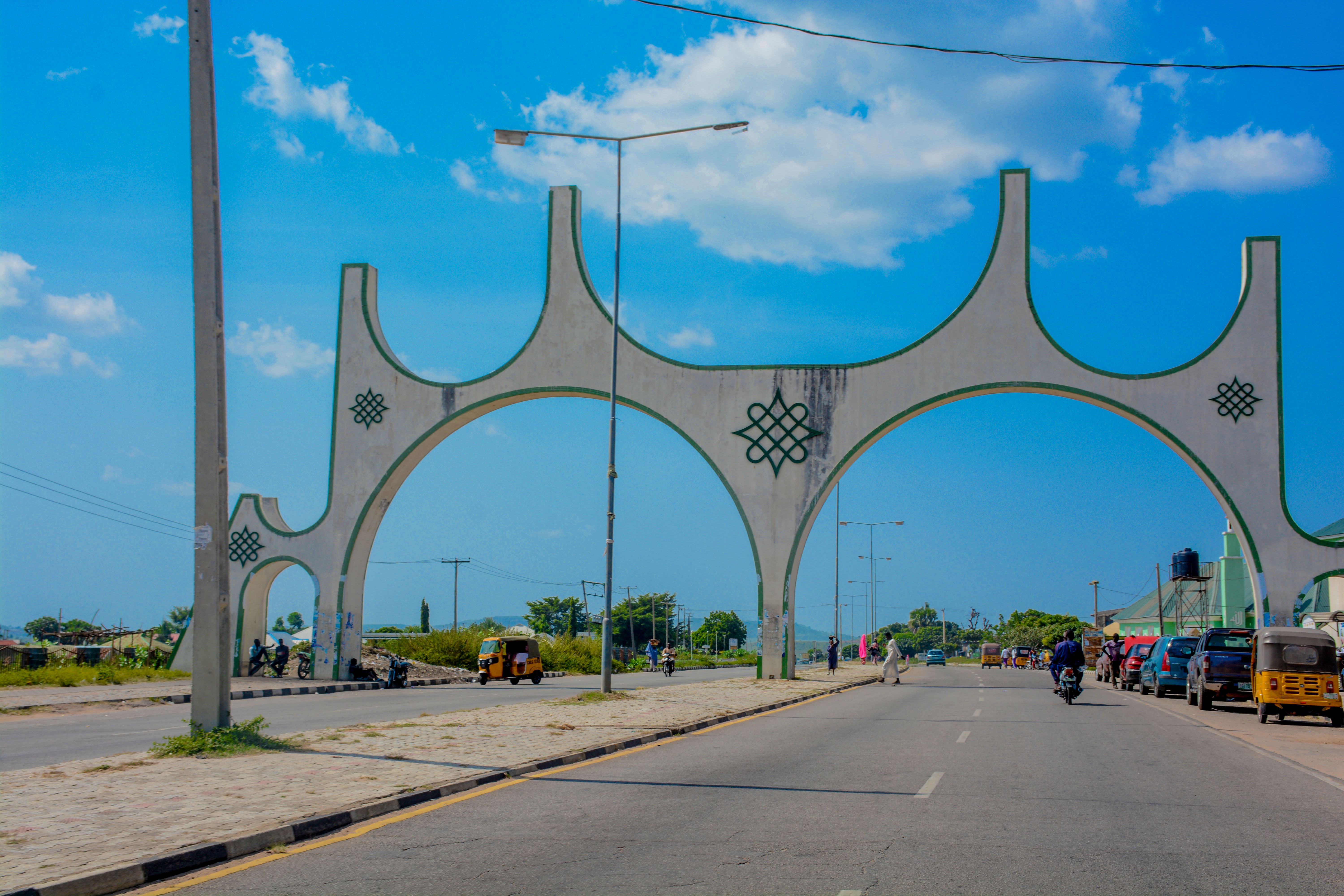
Security in Nigeria has once again flashed red, with the local security situation taking a sharp turn for the worse in late September. According to foreign media reports and local police updates, large-scale mass kidnappings occurred successively in Niger State and Zamfara State in northwestern Nigeria between September 26 and 27, resulting in at least 87 civilians being abducted by armed bandits. Meanwhile, police in Abia State in the southeast made a gruesome discovery at a criminal gang's camp, unearthing 28 human skulls and a large quantity of human remains, highlighting an alarming deterioration in local law enforcement and public safety.
Reports indicate that this latest wave of abductions was concentrated in northern Nigeria. On September 26, a large group of armed militants stormed Niger State, forcibly seizing at least 47 farmers. This was followed closely the next day on September 27 by a similar incident in Zamfara State, where 40 women were abducted by bandits. Such armed criminal syndicates, commonly referred to as "bandits," have run rampant across northern Nigeria in recent years, frequently targeting remote villages and agricultural fields to abduct local residents on a mass scale in exchange for exorbitant ransoms, making them a severe social security menace in the country.
In addition to the kidnapping crisis in the north, security conditions in southeastern Nigeria are equally worrisome. Police in Abia State announced on September 27 that during a recent raid on a camp suspected of being controlled by a criminal gang, officers discovered 28 human skulls and scattered skeletal remains at the scene. Preliminary police assessments suggest that these chilling remains likely belong to victims who were previously kidnapped and tragically murdered or executed after their families failed to pay ransoms. Authorities are currently conducting a thorough investigation to determine whether the site is linked to systemic murder or illegal human organ trafficking networks.
In recent years, Nigeria has faced complex security crises. Aside from the long-standing terrorist attacks perpetrated by extremist groups such as Boko Haram and the Islamic State West Africa Province (ISWAP) in the northeast, the central-north and northwest have also long suffered from the ravages of armed gangs and bandits. These criminal syndicates exploit vast geographical expanses and security blind spots to subsist on kidnapping for ransom, robbery, and illegal mining. Although the Nigerian government has repeatedly vowed to step up eradication efforts, security forces often find themselves stretched thin and struggling to effectively curb rampant criminal activities due to limited police manpower, outdated intelligence-gathering capabilities, and the country's vast territory.
For Taiwan, the internal governance crisis in Africa's most populous nation underscores how emerging economies globally, in pursuit of development, frequently experience the unchecked spread of non-traditional security threats—such as armed violence and transnational organized crime—driven by weak state governance capacity, widening wealth gaps, and insufficient local policing. Although Nigeria's security turmoil has no direct economic, trade, or geopolitical ties to Taiwan, observing how the international community responds to such internal armed conflicts and humanitarian crises helps readers develop a more comprehensive understanding of the profound challenges that governance-failed regions pose to overall international stability in the era of globalization.
Produced by our editorial team, with AI assistance in editing.