
Armed Bystander Stops 16-Year-Old Shooter After Four Killed at Oregon Elementary School
A tragedy unfolded on Tuesday morning at Silver Rail Elementary School in Bend, Oregon, where a mass shooting left four people dead, including three childr
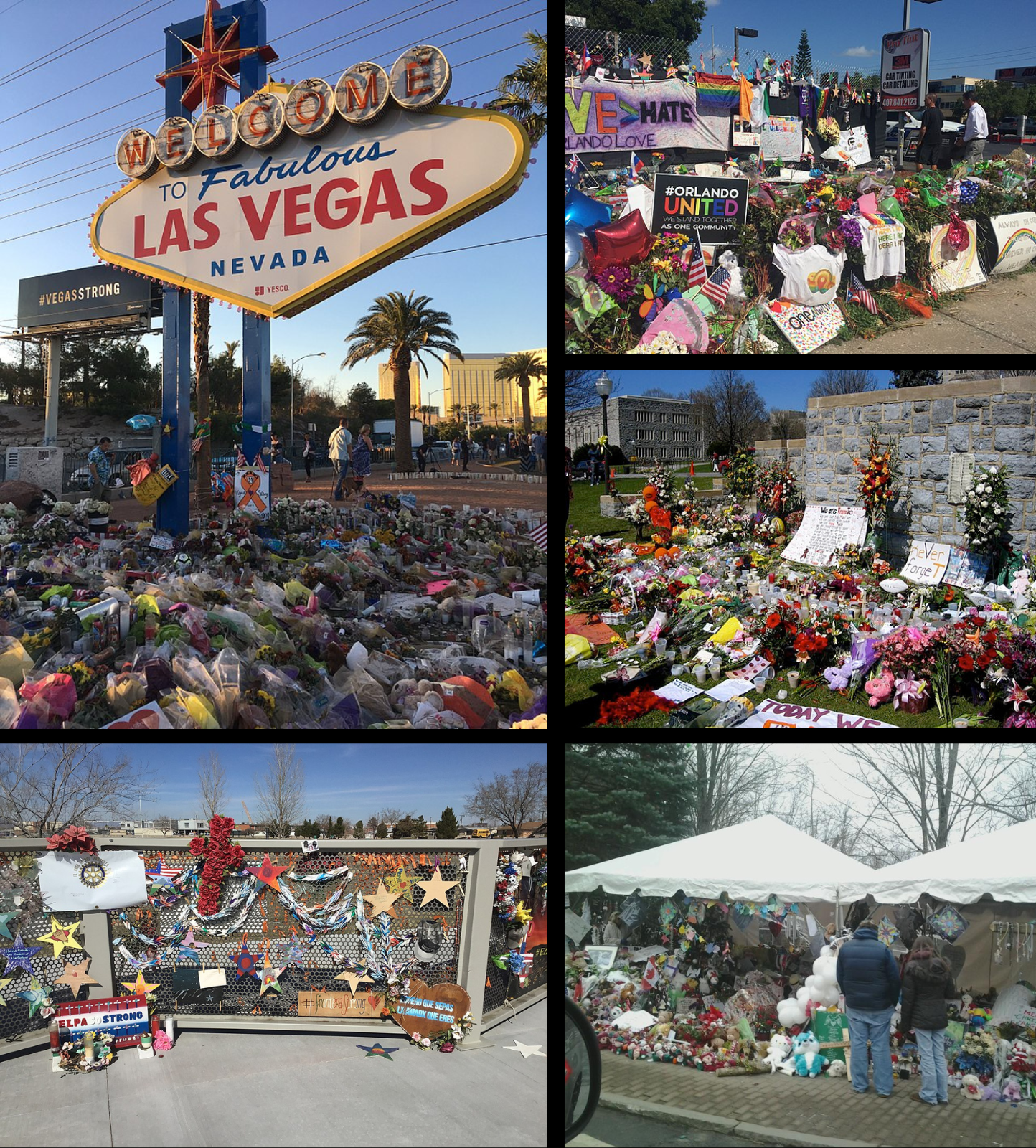
A tragedy unfolded on Tuesday morning at Silver Rail Elementary School in Bend, Oregon, where a mass shooting left four people dead, including three children and a teacher. Two others sustained injuries before the violence was halted when an armed bystander confronted and killed the 16-year-old male perpetrator at the scene. Local law enforcement and emergency responders flooded the campus following the initial emergency calls, launching a comprehensive investigation into how the minor obtained the firearm and what motivated the attack.
The incident instantly renews the agonizing national debate over firearm accessibility, school safety, and public violence in the United States. Mass shootings—defined broadly by researchers as public incidents of firearm violence resulting in multiple fatalities, excluding domestic or gang-related disputes—have long plagued American society. Criminological studies consistently show that while definitions and precise data sets can vary, the United States experiences a disproportionate share of public mass shootings compared to other developed nations, a trend closely linked by experts to the widespread availability of high-capacity firearms.
The demographics of perpetrators in these incidents skew overwhelmingly male, often involving individuals experiencing acute personal crises, suicidality, or grievances amplified by social isolation. Sociologists and public health officials have also pointed to secondary contributing factors, such as the copycat phenomenon fueled by intense media coverage and a general erosion of community social capital. Despite decades of academic research, establishing universal preventative generalizations remains challenging due to fragmented data collection and the absence of a standardized legal definition for mass shootings across American jurisdictions.
As the community of Bend mourns the victims and treats the survivors, lawmakers and advocacy groups are once again polarized over the appropriate legislative response. Proponents of stricter gun control measures argue that minimum age requirements, secure storage laws, and restrictions on semi-automatic weapons are vital to preventing minors from accessing lethal force. Conversely, opponents emphasize mental health intervention, hardening school infrastructure, and the protection of Second Amendment rights, occasionally pointing to instances where armed intervention by private citizens halted active shooters.
Beyond domestic borders, recurrent episodes of mass gun violence in the United States resonate internationally, serving as a stark case study in the socio-political complexities of firearm governance. For global observers and allies, including democratic partners in the Asia-Pacific, the persistent inability of the U.S. federal system to implement comprehensive gun safety reforms highlights deep ideological divisions that continue to impact public safety, civic stability, and the social fabric of one of the world's leading economies.
Produced by our editorial team, with AI assistance in editing.

