
Antonelli Takes First Spanish Grand Prix Victory at New Madrid Circuit
Kimi Antonelli secured the first win at the Spanish Grand Prix, taking the checkered flag at the newly built Madring circuit in Madrid on Sunday. The Itali
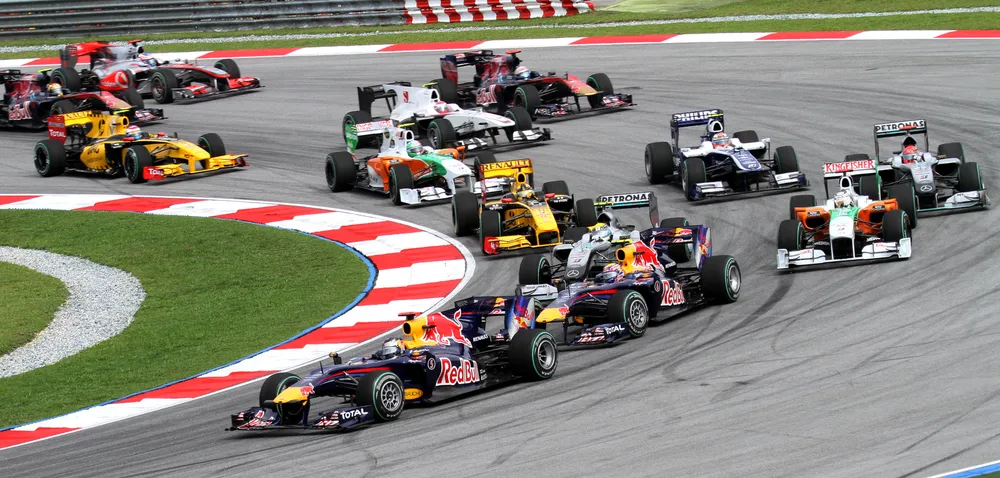
Kimi Antonelli secured the first win at the Spanish Grand Prix, taking the checkered flag at the newly built Madring circuit in Madrid on Sunday. The Italian‑born driver, who has been competing in Formula One since 2022, crossed the line ahead of his teammates in a race that marked the entry of Spain into the championship’s calendar for the first time since the 1990s. The event, scheduled for the weekend of 12‑14 May, attracted a record‑setting crowd of over 30,000 spectators and was broadcast to millions worldwide.
The Madring circuit, a 5.3‑kilometre street layout that winds through the historic centre of Madrid, was constructed to meet the Fédération Internationale de l’Automobile’s Grade‑One certification, the highest standard for F1 tracks. Its design incorporates modern safety features such as a 90‑metre “run‑off” zone at the most dangerous corners and a state‑of‑the‑art carbon‑fiber pit‑lane. The Spanish government announced the project in 2021 as part of a broader strategy to boost tourism and showcase Madrid as a hub for international motorsport. The inaugural race was the culmination of a three‑year partnership between the city’s mayor’s office and the Formula One Group, which manages the global championship.
Antonelli’s victory comes at a time of intense competition in the driver’s standings. He is a member of the Red Bull Racing team, which is currently contending with Mercedes‑Petronas for the Constructors’ Championship. In the race, Antonelli leveraged a late‑brake overtaking maneuver at Turn 12, a high‑speed corner that had proven decisive in earlier laps when the team’s rivals struggled to keep pace on the circuit’s narrow straights. His teammate, Max Verstappen, finished second, while Lewis Hamilton of Mercedes rounded out the podium. The win not only gives the Red Bull team a boost in points but also marks a milestone for the Italian‑born driver, who has been praised for his adaptability to new tracks.
From a commercial perspective, the Spanish Grand Prix has attracted significant investment from local businesses and global sponsors. Liberty Media Corporation, which acquired the commercial rights to F1 in 2017, has cited the Madrid event as a key revenue driver, with broadcast rights and merchandising expected to generate an estimated €120 million in the first year. The race has also highlighted the growing role of technology in motorsport; several of the teams’ engines are supplied by suppliers headquartered in Taiwan, such as TSMC and UMC, whose advanced semiconductor manufacturing capabilities underpin the high‑performance electronics that control the cars’ power units and telemetry systems.
The introduction of the Spanish Grand Prix comes amid broader discussions about the sustainability of the Formula One calendar. Some critics argue that adding new venues strains the sport’s logistics and increases carbon emissions, while proponents point to the economic benefits for host cities. The Madrid race is the first in a planned series of “regional” events that aim to diversify the championship’s geographic footprint beyond the traditional European and Asian circuits. The FIA has pledged to offset the event’s environmental impact through carbon‑offset projects and the use of renewable energy sources at the venue.
For Taiwan, the Spanish Grand Prix underscores the country’s growing influence in the global motorsport supply chain. Taiwanese chip manufacturers provide essential components for the sophisticated data‑collection systems that teams use to monitor car performance in real time. The success of these suppliers has helped Taiwan secure a foothold in a high‑stakes, high‑visibility industry that is increasingly intertwined with advanced manufacturing and digital technologies. As Formula One continues to expand into new markets, the demand for precision electronics will likely rise, offering further opportunities for Taiwanese firms to deepen their integration into the sport’s ecosystem.
Produced by our editorial team, with AI assistance in editing.