
AFL to cap contact training minutes, ban back‑to‑back hits from 2027
The Australian Football League (AFL) announced on Tuesday that, beginning with the 2027 preseason, clubs will be required to limit on‑field contact trainin
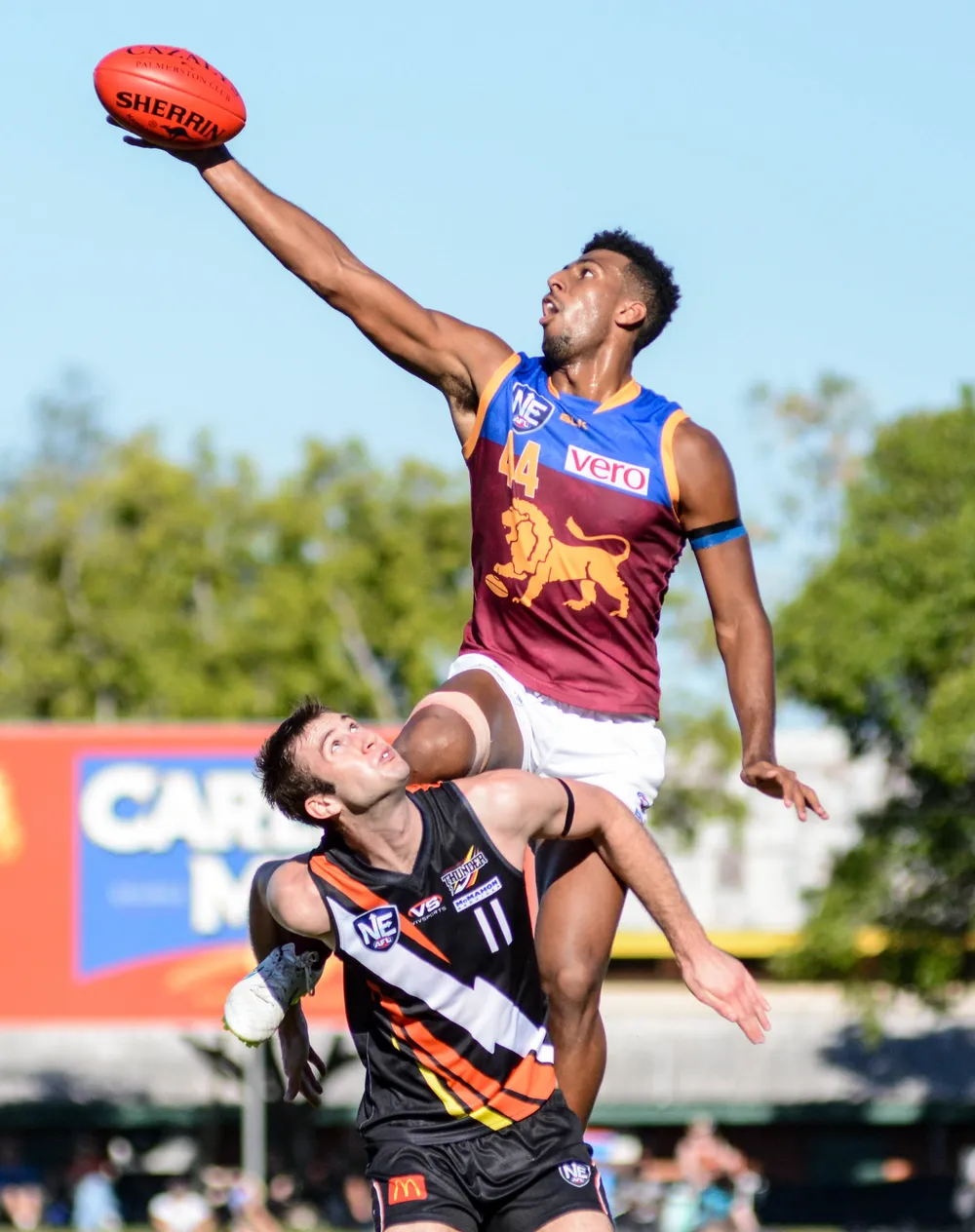
The Australian Football League (AFL) announced on Tuesday that, beginning with the 2027 preseason, clubs will be required to limit on‑field contact training to 120 minutes per week for the first six months of the year, rising to a maximum of 160 minutes thereafter. The new policy also bans high‑intensity contact sessions on consecutive days, a measure aimed at reducing the incidence of concussion among players. The league said the rules will be enforced through weekly reporting by clubs and random audits, with penalties ranging from fines to loss of draft picks for non‑compliance.
Aussie rules football, the nation’s most popular winter sport, is played on an oval field by two teams of 18 players each. The game’s distinctive features—such as the “mark,” where a clean catch from a kick earns an uninterrupted possession, and the constant flow of play that allows players to use any part of their bodies to move the ball—make it one of the most physically demanding contact sports in the world. Players regularly engage in tackling, body‑checks and high‑speed collisions, which have historically contributed to a high rate of head injuries. Recent research by Australian medical institutions has linked repeated concussions to long‑term neurological disorders, prompting growing concern among players, families and health professionals.
The AFL’s decision follows a series of high‑profile incidents that have put the league’s concussion management under scrutiny. In 2023, former star forward Aaron Naughton retired at 29 after multiple head injuries, while a coalition of former players and medical experts launched a public campaign demanding stricter safety protocols. The AFL Players Association (AFLPA) welcomed the limits, noting that they align with recommendations from the Australian Sports Commission and the Concussion in Sport Group, which advocate for reduced cumulative exposure to head impacts. However, some club coaches expressed reservations, arguing that the caps could impede preparation for the season’s high‑intensity demands and affect team cohesion.
Club administrators have signalled a willingness to adapt training schedules, citing advances in sports science that allow skill development without extensive contact. “We can still drill tactics, improve endurance and work on ball handling within the new framework,” said Melbourne’s head of performance, Lisa Cheng. Yet, a minority of senior coaches fear that reduced contact time may widen the gap between AFL teams and those in other football codes, such as rugby league, which have not introduced comparable restrictions. The AFL’s governance board stressed that the limits are not a permanent curtailment but a phased approach, with the possibility of further adjustments based on ongoing monitoring of injury data.
The policy reflects a broader shift in professional sports toward evidence‑based injury prevention. By quantifying permissible contact minutes and prohibiting back‑to‑back high‑intensity sessions, the AFL aims to create a measurable standard that can be evaluated over the next five years. The league will publish annual reports on concussion rates, training compliance and player health outcomes, providing a transparent data set for researchers worldwide.
While the AFL’s reforms are primarily an Australian matter, they carry implications for the wider Asia‑Pacific region, including Taiwan, where contact sports such as rugby and baseball are growing in popularity. Taiwan’s sports medicine community closely follows international best practices, and the AFL’s data‑driven approach could inform local policy discussions on concussion management. Moreover, the league’s emphasis on athlete welfare may influence multinational sporting events and broadcasting agreements that involve Taiwanese audiences, underscoring the interconnected nature of sports health standards across borders.
Produced by our editorial team, with AI assistance in editing.