Adobe signs $4 billion deal to offer free AI tools in Saudi Arabia
Adobe Inc. announced on Tuesday that it has signed a US$4 billion agreement with Saudi Arabia’s Ministry of Communications and Information Technology (MCIT
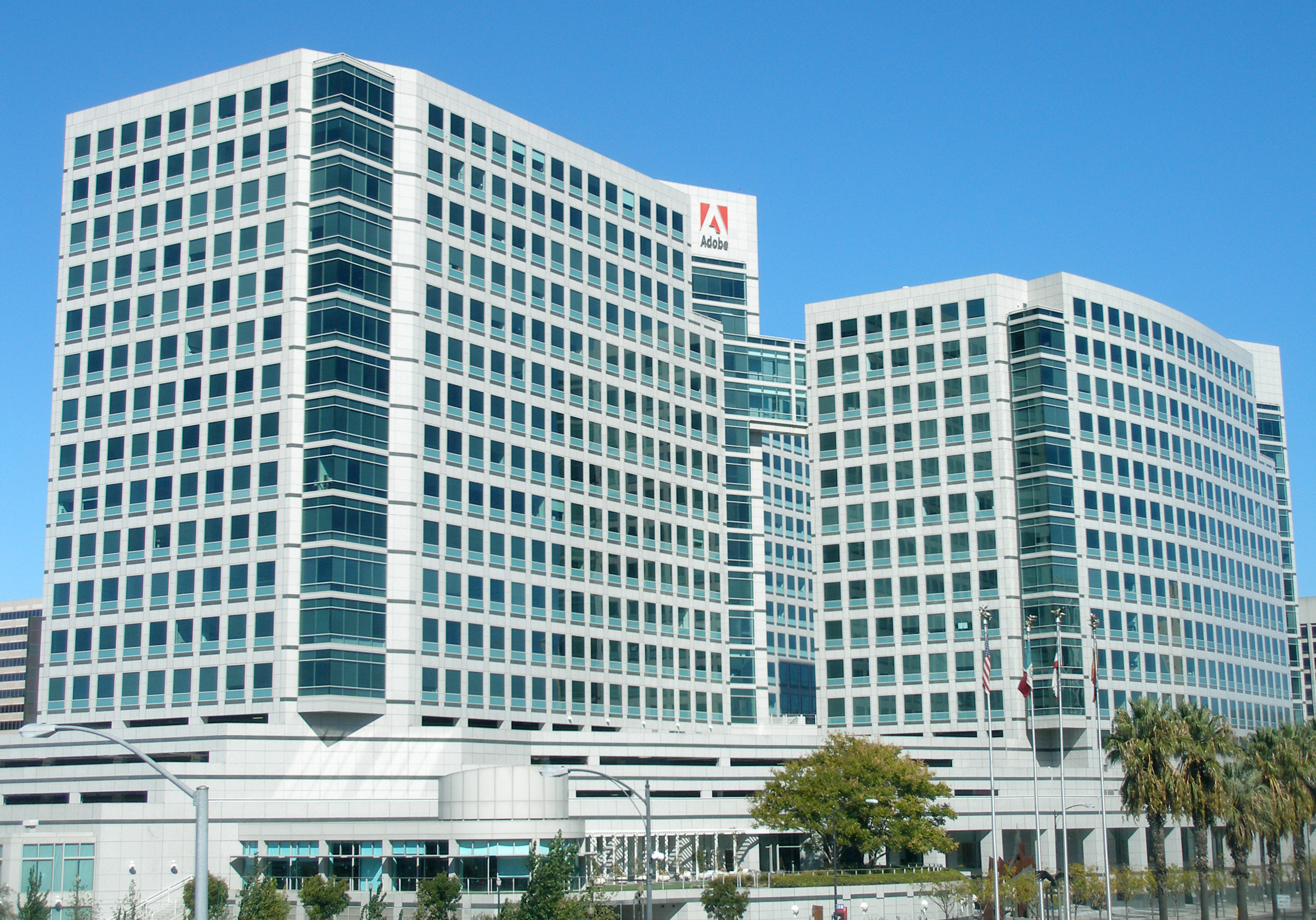
Adobe Inc. announced on Tuesday that it has signed a US$4 billion agreement with Saudi Arabia’s Ministry of Communications and Information Technology (MCIT) and the domestic AI firm Humain to provide free access to its suite of generative‑AI tools across the kingdom. The multi‑year partnership, which will roll out in phases beginning later this month, will make Adobe’s fire‑powered image, video, text‑to‑code, and data‑analysis services available to Saudi public‑sector entities, educational institutions, and small‑ and medium‑sized enterprises at no direct cost, while the Saudi side will fund the infrastructure and local integration work.
The deal marks a significant escalation in Adobe’s push to embed its creative‑cloud and emerging artificial‑intelligence capabilities into new markets beyond its traditional subscription model. Since transitioning from the on‑premise Creative Suite to the cloud‑based Creative Cloud, Adobe has layered generative‑AI features such as generative fill in Photoshop, AI‑assisted video editing in Premiere, and text‑to‑image functions across its product line. In 2023 the company launched Adobe Firefly, a family of foundation models designed for commercial use without the copyright concerns that have plagued other generative‑AI services. By offering these tools for free in Saudi Arabia, Adobe hopes to accelerate adoption, gather large‑scale usage data, and position itself as the default creative‑AI platform for a market that is rapidly digitising its economy.
Saudi Arabia’s MCIT, which oversees the nation’s digital transformation agenda, sees the partnership as a cornerstone of Vision 2030’s goal to diversify the economy and develop a knowledge‑based society. The ministry has earmarked billions of riyals for AI research, cloud infrastructure, and talent development, and it views Adobe’s AI suite as a catalyst for modernising public services, enhancing e‑learning, and fostering a domestic creative industry. Humain, a Saudi start‑up specializing in AI model localisation and deployment, will act as the technical integrator, adapting Adobe’s models to Arabic language nuances, regional data privacy standards, and the kingdom’s burgeoning cloud ecosystem. Humain’s leadership has stressed that the collaboration will “empower Saudi innovators to produce world‑class visual and textual content without the barrier of costly licences,” thereby nurturing a home‑grown ecosystem of designers, marketers, and developers.
From Adobe’s perspective, the partnership mitigates the risk of regulatory pushback that has hampered other AI providers in the Middle East, where concerns over data sovereignty and content moderation remain high. By working through the MCIT and a local partner, Adobe gains a clear compliance pathway and the ability to embed its services within government‑run cloud platforms that comply with Saudi data‑localisation rules. The company also anticipates that the free‑access model will generate a pipeline of paid enterprise subscriptions once users outgrow the introductory tier, mirroring the “freemium” strategies employed by other software giants in emerging markets.
Critics, however, caution that the massive financial commitment underscores the geopolitical dimension of AI technology. Saudi Arabia has been courting leading tech firms to accelerate its AI talent pool and reduce reliance on foreign hardware, a move that could shift regional demand toward semiconductor manufacturers in East Asia. The partnership may also raise questions about the ethical use of generative AI in state communications, given the potential for deep‑fake content and misinformation. Both Adobe and Humain have pledged to embed watermarking and usage‑policy enforcement mechanisms, but independent oversight will be essential to ensure responsible deployment.
The agreement is consequential for Taiwan’s technology sector, which supplies a large share of the semiconductors that power AI workloads worldwide. As Saudi Arabia expands its AI capabilities, demand for high‑performance chips—particularly those produced by Taiwan’s leading foundries—will likely increase, reinforcing supply‑chain linkages between the Gulf and the island. Moreover, the deal illustrates how global software firms are leveraging partnerships with Middle‑Eastern governments to open new markets, a trend that could shape future investment flows and collaborative standards in AI development across the region.
Produced by our editorial team, with AI assistance in editing.