5.9‑Magnitude Quake Hits Ibaraki, Injures 45, No Fatalities Reported
A magnitude 5.9 quake struck the southern part of Japan’s Ibaraki Prefecture at about 02:17 a.m. local time on Thursday, jolting residential districts and
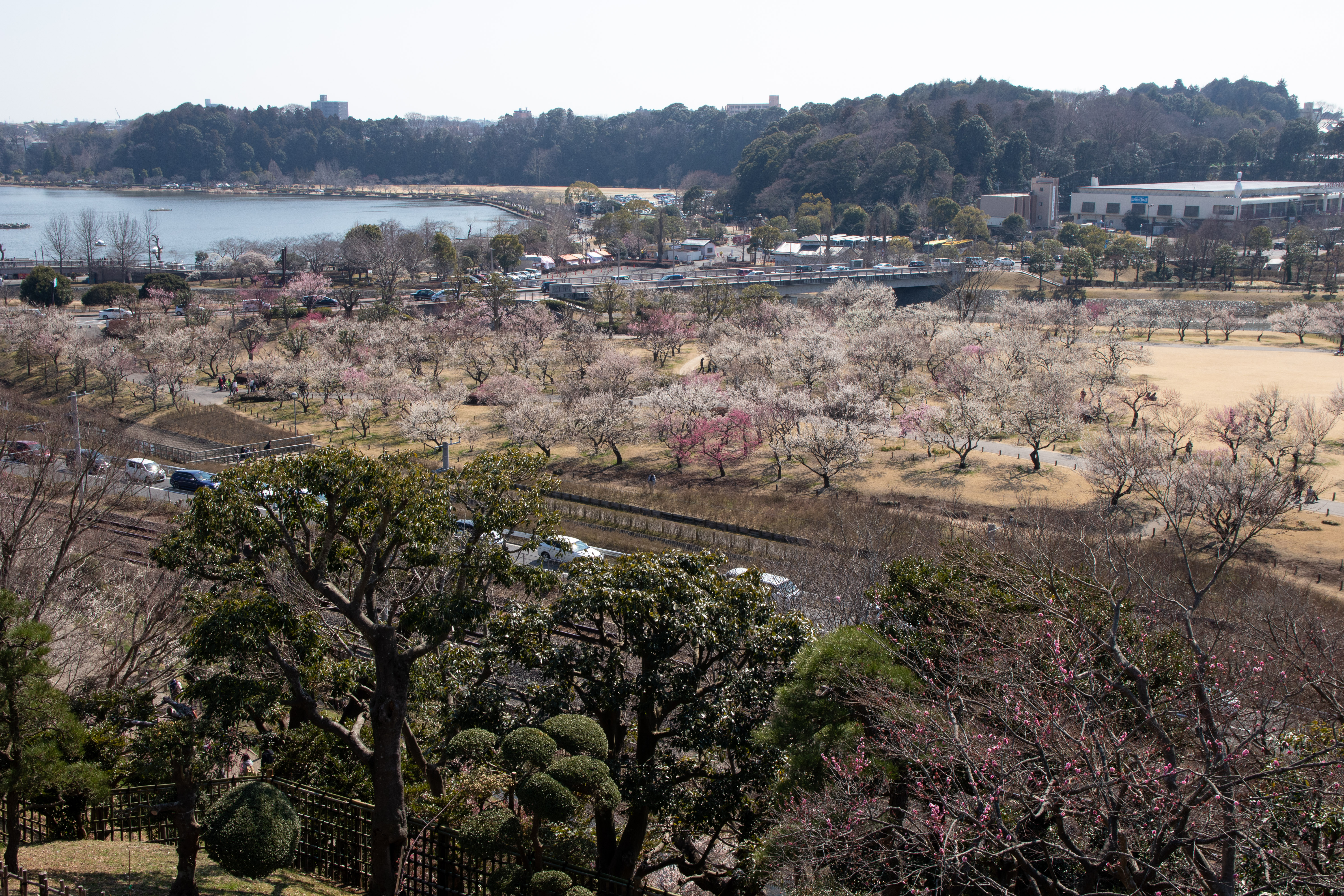
A magnitude 5.9 quake struck the southern part of Japan’s Ibaraki Prefecture at about 02:17 a.m. local time on Thursday, jolting residential districts and industrial zones and leaving 45 people with injuries ranging from minor cuts to more serious fractures. Emergency crews from the prefectural fire department and the Self‑Defense Forces were dispatched within minutes, and temporary shelters were set up in schools and community centres while power outages affected several thousand households. No fatalities have been reported, and authorities say aftershocks continue to be felt across the eastern coastal plain.
Ibaraki, home to roughly 2.8 million residents, sits on the Pacific side of the Kantō region, directly northeast of Tokyo and forming part of the Greater Tokyo metropolitan area. The prefecture’s coastline borders the Pacific Ocean, while its inland terrain is traversed by the Tone River, Japan’s second‑longest waterway, and includes the expansive Lake Kasumigaura. Its capital, Mito, and other major cities such as Tsukuba, Hitachi and Hitachinaka host a mix of residential, commercial and high‑technology facilities. Tsukuba, in particular, is a national science hub, housing numerous research institutes and corporate R&D centres, while Hitachi remains a key node in the country’s manufacturing and heavy‑industry network.
Japan’s position on the Pacific “Ring of Fire” makes seismic events a frequent occurrence, and the government maintains stringent building standards designed to mitigate damage from moderate to strong tremors. Following the Thursday quake, the Ibaraki prefectural governor, Kazuhiko Ōigawa, convened an emergency briefing, emphasizing that the region’s infrastructure largely withstood the shock thanks to compliance with the latest seismic codes. He urged residents to remain vigilant for aftershocks and to follow evacuation instructions where necessary. The national Ministry of Land, Infrastructure, Transport and Tourism (MLIT) has sent a team of engineers to assess structural integrity at schools, hospitals and industrial plants, while the Japan Meteorological Agency continues to monitor the area for further activity.
Local officials and industry representatives have expressed concern over potential disruptions to supply chains that rely on Ibaraki’s manufacturing base. Hitachi’s plant in the prefecture produces components for power generation and transportation equipment, and any prolonged shutdown could ripple through downstream suppliers in East Asia. Similarly, the Tsukuba Science City hosts several semiconductor and electronics firms that export parts to Taiwan’s chipmakers and other regional manufacturers. Although the quake’s immediate impact appears limited to injuries and temporary power loss, experts warn that even brief interruptions in such high‑value production lines can affect inventory levels and delivery schedules across the broader technology sector.
Seismic resilience has become a shared focus for Japan and its trading partners, especially as the global semiconductor supply chain grows increasingly interdependent. Taiwan’s own semiconductor industry, centred on the island’s fab complexes, sources raw materials, precision tools and testing equipment from Japanese firms, many of which are located in or near Ibaraki. A sustained disruption in the prefecture’s industrial output could therefore reverberate beyond Japan’s borders, prompting manufacturers to reassess inventory buffers and contingency plans. Moreover, the event underscores the importance of coordinated disaster‑response mechanisms in a region where natural hazards can quickly affect cross‑border trade and energy security.
While the immediate priority remains caring for the injured and restoring essential services, the quake serves as a reminder of the fragile linkages between Japan’s industrial heartland and the wider East Asian economy. For Taiwan, whose high‑tech sector is closely tied to Japanese suppliers, monitoring the recovery in Ibaraki will be essential to gauge any downstream effects on component availability and production schedules. The incident also highlights the broader regional imperative to strengthen seismic preparedness, not only to protect lives but to safeguard the intricate supply networks that underpin modern economies.
Produced by our editorial team, with AI assistance in editing.