
5.5-Magnitude Shallow Earthquake in Central Peru Leaves Six Dead, 21 Injured
A 5.5-magnitude shallow earthquake struck the district of Chongos Bajo in Chupaca Province, Junín Region, central Peru, on Tuesday, severely impacting the
A 5.5-magnitude shallow earthquake struck the district of Chongos Bajo in Chupaca Province, Junín Region, central Peru, on Tuesday, severely impacting the village of Pumpunya. According to the latest statistics from Peru’s National Institute of Civil Defense (INDECI), the strong tremor has left at least six people dead and 21 others injured. The earthquake occurred in a remote mountainous area, where the intense seismic waves caused numerous residential structures to collapse. Rescue teams are currently rushing to the disaster site to search for survivors in the rubble, and authorities fear the casualty count may rise further.
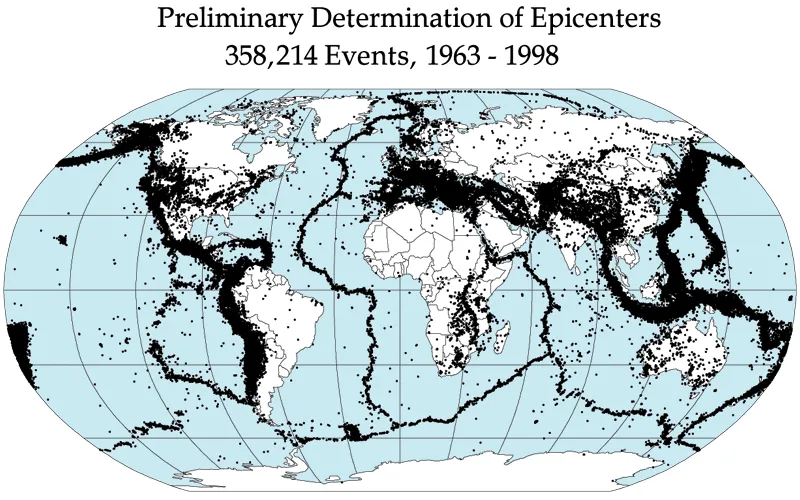
Located on the west coast of South America, Peru lies within the highly active seismic zone known as the Ring of Fire, characterized by an extremely unstable geological structure. The subduction of the Nazca Plate beneath the South American Plate causes a long-term accumulation of crustal stress, which frequently triggers powerful earthquakes. The epicenter of this event was located deep within the Andes Mountains; due to the region's rugged terrain, fragile infrastructure, and the prevalence of homes built from brick or adobe with poor seismic resistance, even a 5.5-magnitude earthquake was sufficient to cause devastating destruction.
Following the earthquake, the Peruvian government activated emergency response mechanisms, with the Ministry of Health and the military deploying search-and-rescue teams and medical supplies to Chupaca Province. However, the complex mountainous terrain and damaged transport routes present significant challenges for the delivery of relief supplies and the deployment of heavy machinery. Local officials stated that the immediate priority is to ensure the resettlement of affected residents and to prevent secondary collapses caused by aftershocks. Meanwhile, scientists are continuing to monitor post-seismic activity in the region, urging residents to remain vigilant against potential subsequent geological hazards.
Historically, Peru has been struck by numerous major earthquakes, resulting in significant casualties and economic losses. Although the government has worked in recent years to improve building codes and increase the frequency of disaster drills, the pace of infrastructure upgrades in remote mountain settlements has struggled to keep up with the threat of geological disasters. The international community has expressed its condolences while monitoring Peru's resilience and post-disaster reconstruction capabilities; the incident once again highlights the vulnerabilities in disaster prevention systems within remote areas of the Pacific Rim.
For Taiwan, which—like Peru—is situated along the highly active Pacific Ring of Fire and consists largely of mountainous terrain, the challenges posed by shallow earthquakes, such as landslides, infrastructure disruption, and the difficulties of rescue operations in remote areas, are all too familiar. This disaster in Peru serves as a reminder that while Taiwan has made significant progress in seismic building standards in urban areas, the strengthening of earthquake-resistant infrastructure in remote mountain regions and indigenous communities, as well as the capacity for disaster mobilization in extreme terrain, remain critical indicators for policy review. Furthermore, understanding the disaster management strategies employed by countries like Peru following such events can serve as a vital reference for Taiwan as it promotes resilient cities and evacuation systems for remote areas, thereby deepening disaster prevention awareness in the face of geological risks.
Produced by our editorial team, with AI assistance in editing.
