
Museu do Homem Americano
Brazil · Americas
About
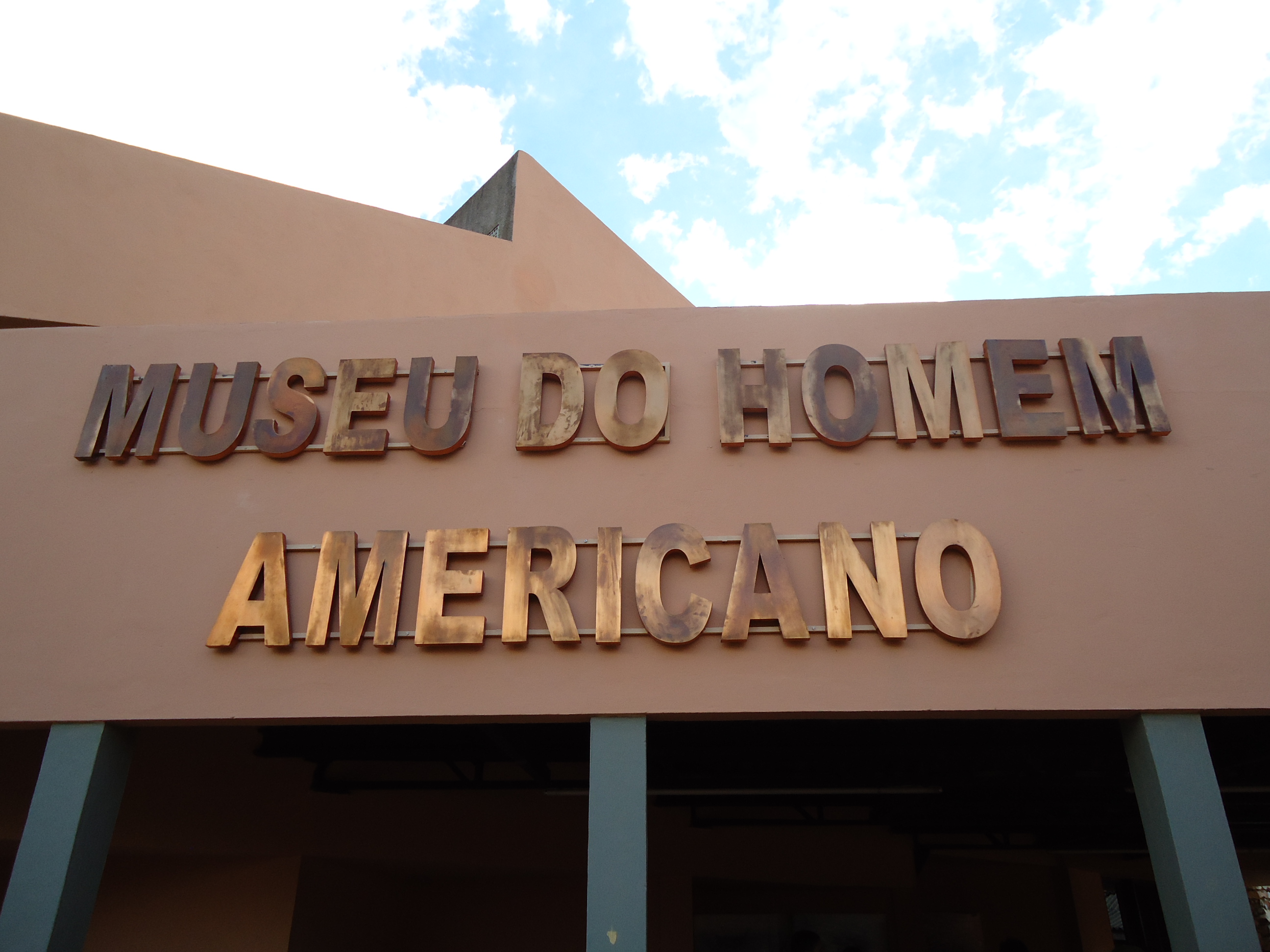
The Museum of the American Man (Portuguese: Museu do Homem Americano) is a museum located in the municipality of São Raimundo Nonato, in the state of Piauí, which is also home to the Serra da Capivara National Park, one of the country's main archaeological conservation places, with more than 700 archaeological sites that contain paintings dated back to more than 12 thousand years ago.
The building is inside the headquarters of the Museum of the American Man Foundation (FUMDHAM), which is responsible for the museum and was created from a cooperation between Brazilian and French scientists who have been working in this region since 1973. It is a non-profit organization, but works in partnership with the municipal, state, and federal governments. In addition, FUMDHAM is also a civil and philanthropic society.
In early 2017, the Museum of the American Man began to be responsible for the permanent monitoring and management committee of the Serra da Capivara National Park, a shared management model instituted by the Piauí state government and Brazil's Ministry of Culture. This administration system also integrates the Chico Mendes Institute for Biodiversity Conservation (ICMBio) and the National Institute of Historic and Artistic Heritage (Iphan).
The site's collection includes many pieces found over more than 40 years of archaeological research and work within the park. Regular updates are made, as new discoveries may be made at any time. Besides the exhibits, the museum has technical reserves, which store archeological, paleontological, zoological, and botanical pieces and materials, along with laboratories.
The museum has already been named as Sérgio Motta Cultural Center and is strongly associated with the research of Niède Guidon, who discovered the site in the 1970s and created the Museum of American Man Foundation in the following decade in order to "understand the biome of the region, the reconstitution of the human past and its adaptation to the environment, in the different environmental realities through which the region has passed, since the first occupation."
Adapted from Wikipedia (CC BY-SA). Photography via Wikimedia Commons.