
Historical – Folklore and Natural History Museum of Kozani
Greece · Europe
About
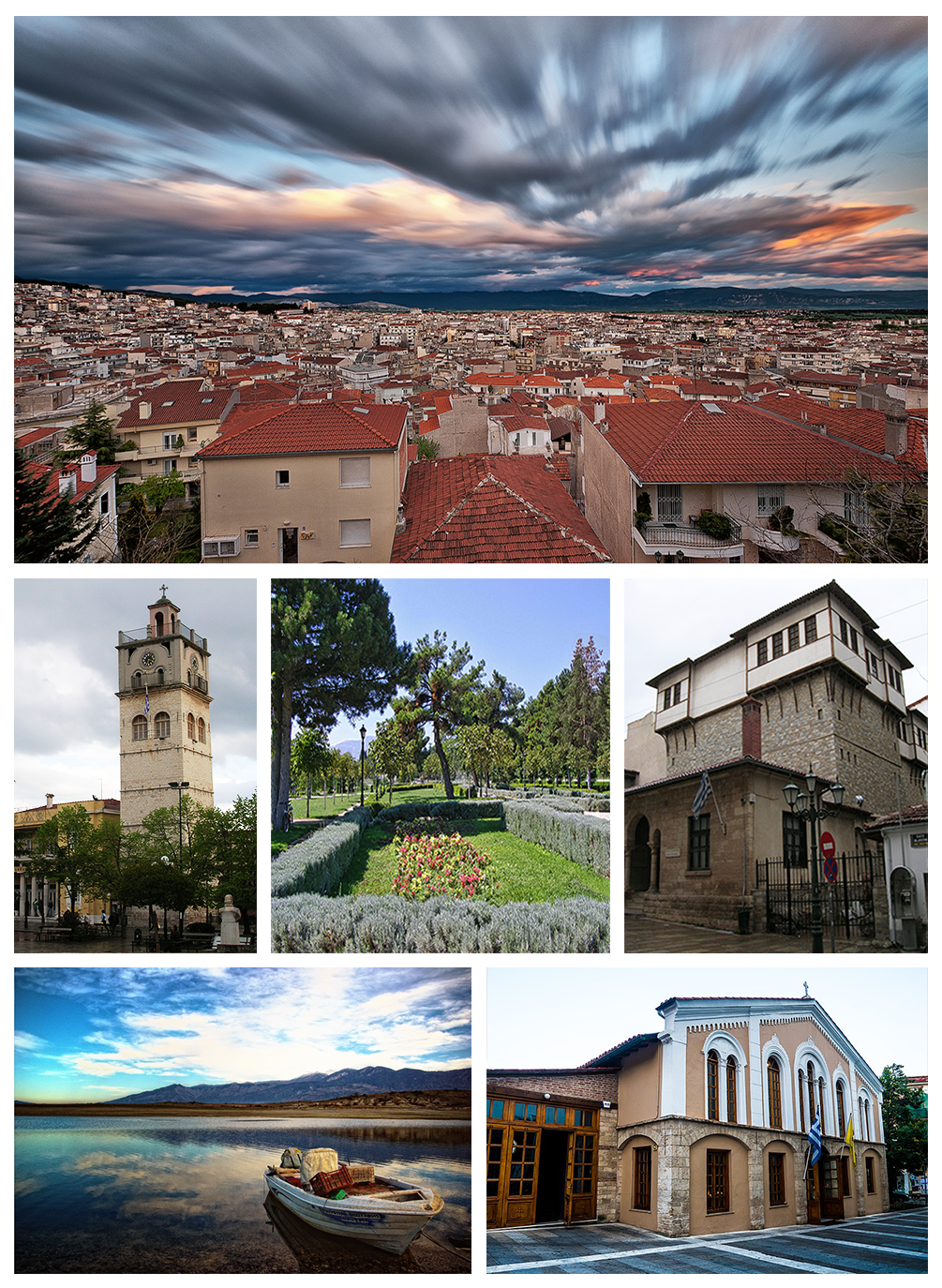
Kozani (Greek: Κοζάνη, pronounced [koˈzani]) is a city in northern Greece, capital of the Kozani regional unit and of Western Macedonia. It is located in the western part of Macedonia, in the northern part of the Aliakmonas river valley. The city lies 710 metres (2,329 feet) above sea level, 15 kilometres (9 miles) northwest of the artificial lake Polyfytos, 120 km (75 miles) south-west of Thessaloniki, between the mountains Pieria, Vermio, Vourinos and Askio. The population of the Kozani municipality is over 67,000 people. The climate of the area is continental with cold and dry winters, and hot summers.
Kozani is the home of the University of Western Macedonia, with about 15,000 students from all over Greece and other places. It is also the seat of West Macedonia's court of appeal, police department, fire brigade, the seat of the 1st Army Corps of the Hellenic Army and of the Bishop of Servia and Kozani.One of the most important aspects of local folklore is Kozani's carnival at the end of the winter, which retains much of the profanity of the ancient Dionysiac cult. Kozani is renowned in Greece and abroad for the production of saffron (Krokos Kozanis), in the nearby town of Krokos.
Kozani is a transport node between Central Macedonia, Thessaly and Epirus. The nearest airport is Filippos Airport, 4 kilometres (2 miles) from the city, IATA code: KZI. The airport was first opened in the mid-20th century. Kozani is situated near the A2 motorway, which connects the coast of the Ionian Sea with Thessaloniki and Turkish borders.
Adapted from Wikipedia (CC BY-SA). Photography via Wikimedia Commons.