
Vidzeme
Latvia · Europe
About Vidzeme
Vidzeme (sometimes Livonia) is a region in northeastern Latvia, bordering Estonia.
Vidzeme travel guide
Understand
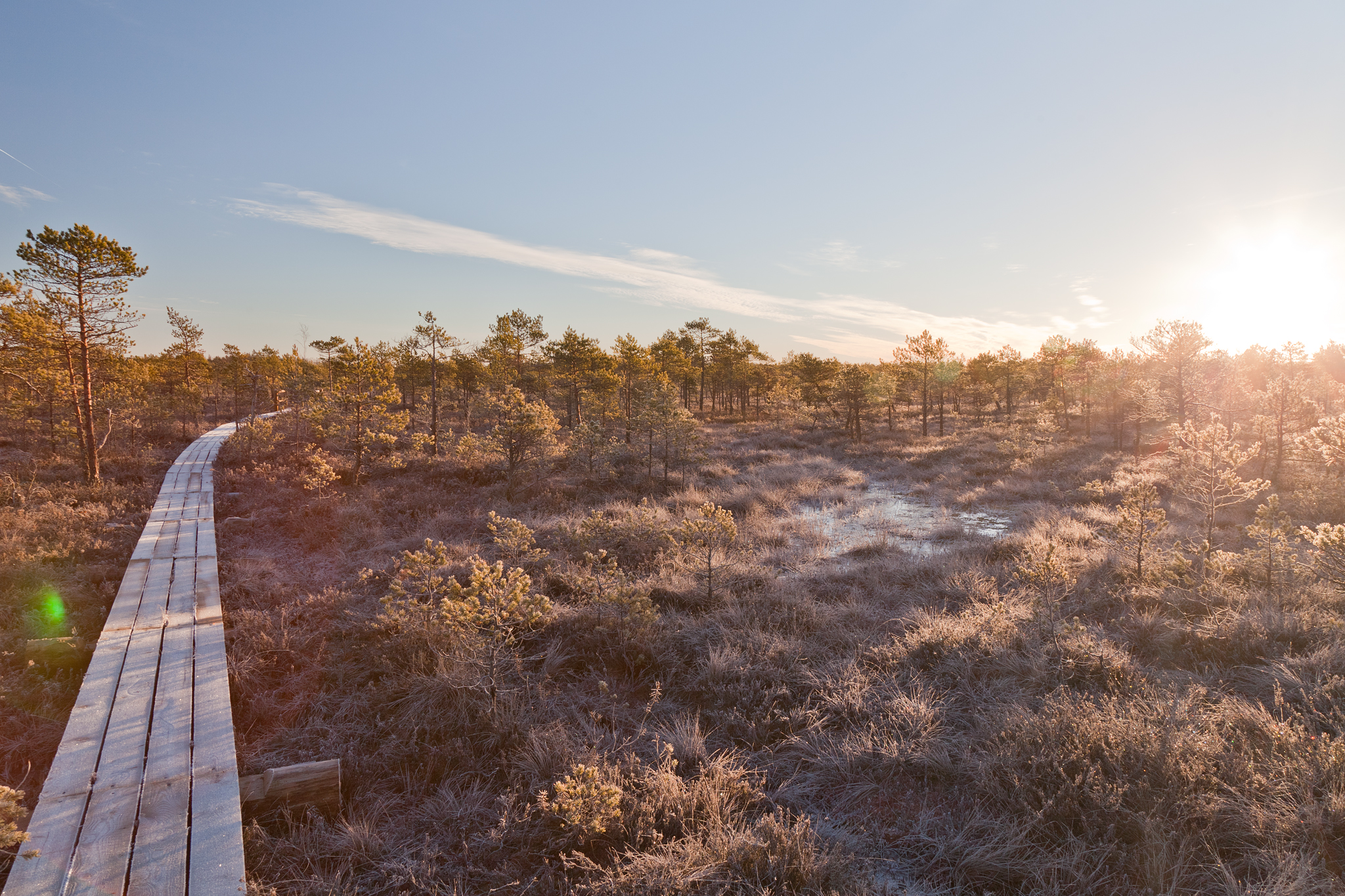
The main tourist attraction of this region is the Gauja National Park, which offers superb natural landscapes and several castles. The old town of Cēsis as well as its two castles have been totally restored – it is an unmissable destination of the region. Further south, the city of Madona is surrounded by numerous winter sports centres.
Getting there
1188.lv provides up-to-date bus and train schedules, route planner and prices.
By bus Many bus routes exist in the region. Direct connections between Riga and all major cities and towns exist and departures are fairly frequent - usually once an hour. Many buses in the region provide free WiFi access, especially on longer distance routes.
By train Two trains a day run between Riga and Valga on the border with Estonia, connecting Cēsis, Valmiera, and Seda. The train is a good option if you're coming from Estonia, with four daily trains from Tallinn to Valga via Tartu. Information for changing trains can be found here.
By car Getting into the region by car is fairly simple. In remote places of the region the road might be unsealed.
See
Cesvaine Palace, north of Madona, is enclosed by a romantic park and an ancient manor houses. The palace is considered one of the brightest architectural achievements of the 19th century. It is a masterpiece of eclectic art, which combines architecture, metallurgy, sculpture and painting. Tirza Ski Museum at Tirza, west of Gulbene, presents an exhibition of ski equipment of the past, and additionally provides equipment for active recreation during the winter (skis; sticks; sledges) and during the summer (equipment for Nordic walking). Museum of Emils Darzins, west of Madona: Famous Latvian composer, who lived between 1875 and 1910. The Sestu-kalns marker of the world heritage listed Struve Geodetic Arc is a bit off built-up areas near Madona but not that difficult to access if you have a car.
Straupe Lielstraupe Castle is one of the six medieval castles in the Gauja Valley. Despite being heavily reconstructed, it maintains its historical significance. The castle, likely constructed in 1263, served as a vassal castle for the archbishop of Riga during the 14th century. Over time, it endured destruction and rebuilding, eventually adopting a Baroque style. The adjacent church, the only surviving structure, connects to the castle through a covered passage. The church also underwent changes, from fire damage to conversion into a one-nave design in the 18th century. After being burned in 1905 and later restored, the castle housed a Narcological Hospital during Soviet times. In contrast, nearby Mazstraupe Castle was built about a century after the Lielstraupe Castle. It was significant restructured during the late 18th century – the result was a smaller and less impressive palace. In 1938, a portion of the palace was demolished due to financial constraints. Today, the palace serves as a school and has lost a good portion of its historical allure.
Do
Cycling – Checkout the many greenways in the north of the country, see Vidzeme's official and detailed map of routes. (Mount) Gaiziņkalns near Madona is the highest point of Latvia (311 m) that is famous for winter and summer recreation possibilities offered by numerous ski slopes, lake Kaķītis (rafting; fishing), the Lido recreation complex, etc.
Sleep
In the following a list of various accommodation options in the region worth mentioning and outside of the above covered cities, towns, and parks:
1 Chill Up, Vecpiebalga, ☏ +371 22013324, [email protected]. Cosy, clean, quiet and cheap wooden rooms. Bed linen – all at your disposal. Hot shower and WC outdoors. Single from €10. (updated Oct 2017) Krāči, Burtnieku novads, ☏ +371 27886969 (Ilze), +371 26647065 (Juris), +371 29218371 (Kalvis). Situated on the banks of the Gauja river. (updated Mar 2015)
Go next
Riga region – Starting or finishing point for most people coming to Latvia, and also home to numerous sights worth visiting, like Riga and its old city, the holiday and sea resort town of Jūrmala, Sigulda and its castles, as well as The Great Ķemeri Moorland. Latgale – A less touristy and more Russian influenced region, but with the amazing Basilica of the Assumption near Daugavpils. Zemgale – Flattest region in Latvia, and famous for the neighbouring and historically related Jelgava Palace and Rundāle Palace, near Jelgava and Bauska, respectively.
South Estonia – From Valka a stone's throw away is Valga, the gateway to South Estonia, with the beautiful Sangaste Castle, the winter sports and nature centre Otepää, the Seto ethnicity in its far southeast, the intellectual hub and university town of Tartu, the picturesque and folk-focused Viljandi, as well as the centre of Estonian wine production, Põltsamaa. Hiking, skiing, fishing, clubbing, folk music, and beaches – South Estonia leaves nothing left to be desired.
Overview adapted from Wikipedia, travel guide fromWikivoyage (CC BY-SA). Photography via Wikimedia Commons.