
Swabia
Germany · Europe
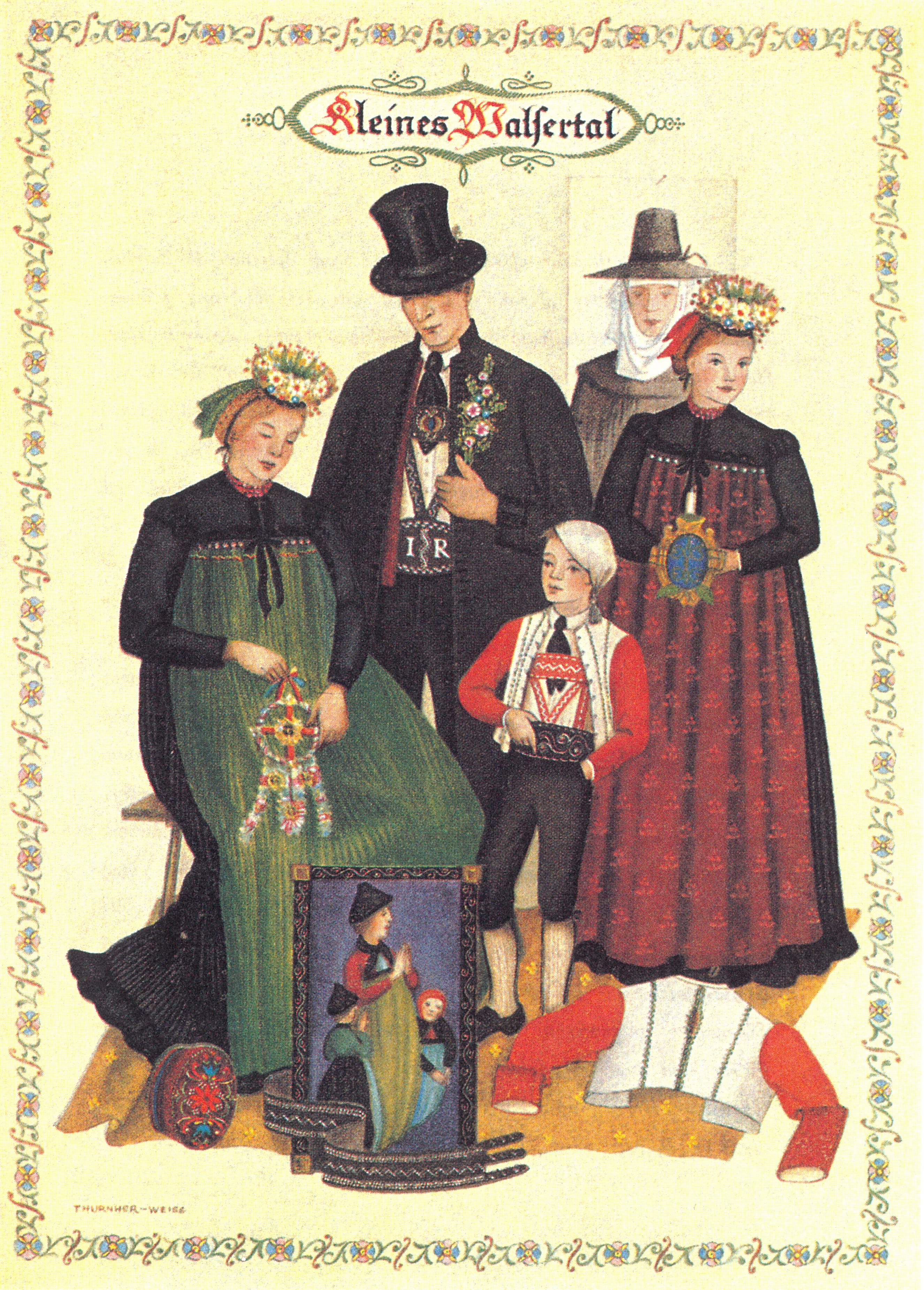
About Swabia
"It has been evident for a long time that, of all members of all the Germanic tribes, the Swabian is the most difficult to understand and the most mysterious. In him the most intense contradictions are found. Often, in one individual, meet both extreme boldness and amazing timidity, rebelliousness and philistinism, winning kindness and resentful standoffishness, skillfulness and awkwardness, firmness and instability, mistrust and friendliness, soaring idealism and grounded realisticism."by Fritz Rahn in Der schwäbische Mensch und seine Mundart (Translation by Matt Carver)
The Swabian (German: Schwaben) cultural region is, for most Austrians, Germans, Swiss and visitors, a very ancient and distinct cultural area, most of which is in Baden-Württemberg, but with a substantial portion also in the western part of Bavaria.
The Vorarlberg of Austria and the northern fringe of Switzerland also used to belong to the Swabian Empire. The whole of Liechtenstein is within the historical confines of Schwaben and the Lech River forms its traditional eastern boundary in Germany.
Swabia travel guide
Getting there
Although this region spreads over several international borders, most travellers will have no bureaucratic hassles, since all the relevant countries are both members of the Schengen agreement on facilitated border formalities and part of the same customs union. Currencies used are the euro (€) and the Swiss/Liechtenstein franc/frank (CHF)
By plane
Stuttgart airport (STR IATA), located in Leinfelden-Echterdingen, hosts various airlines including the low cost airline TUI and has direct flight connections with major German and European cities. It won't be difficult to book a flight to Stuttgart from outside Europe connecting through a major hub such as London Heathrow or Paris Charles de Gaulles. Fares usually don't differ much if at all if you choose to fly into Stuttgart from another continent (rather than to Frankfurt; Munich or Berlin).
Eat
A traditional dish in Swabia is Maultaschen. These are rectangular pasta parcels filled with meat, onions, spinach and various herbs, similar to ravioli but much larger. They can be served "as is" with a little butter or in a broth. Another appetising variant is to slice and fry them in a pan and serve with a seasonal salad. In times of more rigorous religious observance, this was sometimes thought of as a sneaky dish because the diner could plausibly claim that he was abstaining from meat - the offending pork being hidden inside the pasta parcel!
An almost stereotypically Swabian classic dish is Spätzle - egg based noodles often served with a meat dish. A rule of thumb is to use one egg for every diner and then add an extra egg for luck. Swabians have a reputation for being "Damp Diners (Nass-Esser)". Most dishes are smothered in a sauce or gravy and a lot of dipping, dunking or crumbling into soups goes on. If you're served a soup, you'll always get a slab of bread to dunk in it if there's not a variety of pasta floating in it already. They're not called "Suppenschwaben" for nothing! Roast meats are invariably served with plenty of gravy.
Drink & nightlife
Trollinger grapes make wines that are light to ruby red in colour and were introduced by the Romans. These wines are light and fruity with a nose that has hints of redcurrants and wild cherries. They complement cold sausage (Wurst) platters, poultry and local cheeses, and slide down very nicely on their own!
Overview adapted from Wikipedia, travel guide fromWikivoyage (CC BY-SA). Photography via Wikimedia Commons.