
Scotland
United Kingdom · Europe
About Scotland
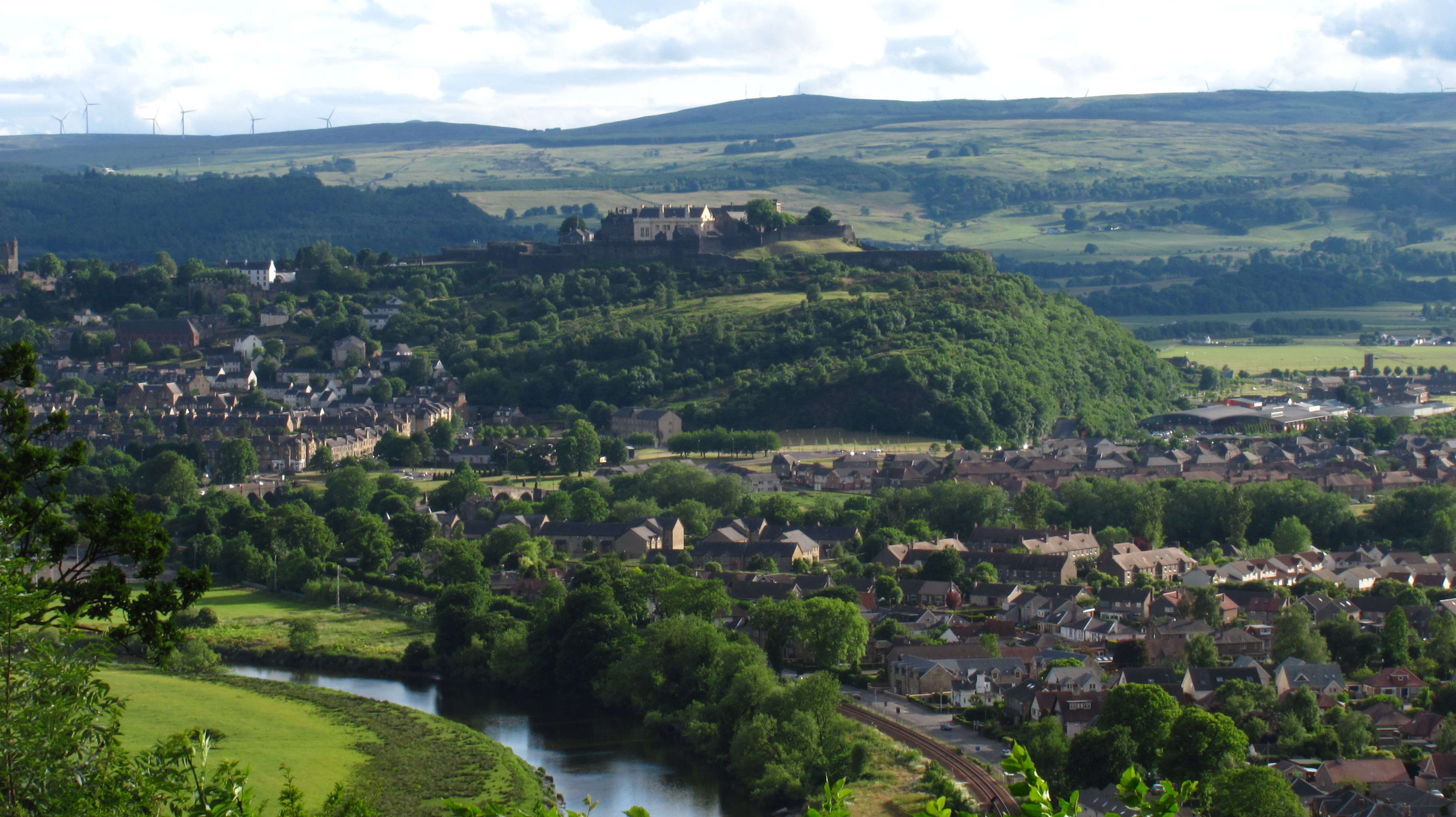
Scotland (Scottish Gaelic: Alba), the northern of the four constituent nations of the United Kingdom, is well known for its dramatic scenery of mountains, valleys and rugged coastline.
While most know about the magnificent scenery of the Highlands, Scotland is beautiful in the Lowlands, islands and the flat lands of the North-East as well. It also has lively and friendly cities, often of architectural significance, and a rich history and heritage. Other characteristics that attract droves of visitors include golf (Scotland is the birthplace of this sport), whisky (many distilleries can be visited), family history (millions worldwide are descended from those who emigrated from Scotland when times were tough in the 18th and 19th centuries), hiking, wildlife and winter sports. Around Loch Ness in the north of the Highlands, you can also hunt for the Monster, or at least try.
While the sun may not always shine, the warm welcome and wonderful diversity of places, landscapes and experiences mean that Scotland has much to offer any traveller. Sometimes awe-inspiring and majestic, sometimes ramshackle and faded, proud yet also modest, modern yet also ancient, eccentric yet also charming, few travellers leave Scotland unaffected by their encounter.
Scotland travel guide
Understand
Scotland borders England to the south, and is separated from Northern Ireland by the Irish Sea. It is surrounded by the bracing waters of the North Sea to the east, and the Atlantic Ocean to the west and north. Scotland forms the northern part of Great Britain, and includes over 700 islands, most in groups to the west (the Inner Hebrides and Outer Hebrides) and north (Orkney Islands and Shetland Islands). The capital is Edinburgh and the largest city is Glasgow. A person from Scotland is called a Scot, or described as Scottish. The word "Scotch" applies only to things - for example, whisky, Scotch eggs, Scotch beef and Scotch Corner (a road junction leading to Scotland). Do not refer to Scotland as England, or to Scottish as English: it is very likely to cause serious offence! Further, do not refer to Britain or the United Kingdom as England. England, as is the case with Scotland, forms only a part of Britain and the United Kingdom. Scotland has a rich and unique history; it first emerged as a kingdom in the ninth century and continued to exist as an independent country until the seventeenth century, during which time it entered into a political union with England to form the Kingdom of Great Britain. Scotland has always been the most administratively independent of the four constituent nations of the UK. For example, it has its own educational and legal systems. Since the 1990s, and particularly since the Scottish Parliament was reconvened in 1999 (see subsection on "Government" below), a greater sense of self-identity as "Scottish" rather than "British" has been spreading throughout Scotland. Political issues such as Scottish independence have seen growing attention in the 21st century. This culminated in the pro-independence Scottish National Party (SNP) gaining power in the 2011 Scottish Parliament elections. On 18 September 2014, after 18 months of debate, a referendum on independence was held, but it failed to garner a majority (45% in favour to 55% oppose
Getting there
Scotland has the same immigration and visa rules as the rest of the UK; see United Kingdom#Get in. Most European and North American visitors only need an Electronic Travel Authorisation (ETA), but they may not take up work or stay longer than six months in any twelve. There are no internal border controls within the UK. This includes the land border with England, sea crossings from Northern Ireland, and UK domestic flights and ferries. You need to show photo ID such as a passport to board flights; ferries may or may not demand this.
By plane International flights are mostly to Edinburgh or Glasgow, else connect via Manchester, the London airports or Amsterdam. UK flights are from London Heathrow (LHR IATA), Gatwick (LGW IATA), Stansted (STN IATA) and Luton (LTN IATA), plus Bristol and Southampton. Edinburgh (EDI IATA) and Glasgow (GLA IATA) airports are both about ten miles west of their cities, with swift buses to town, car hire, and motorway access. Other airports with international flights are Aberdeen (ABZ IATA), Prestwick (PIK IATA) near Ayr, and Inverness (INV IATA). Smaller airports such as Dundee (DND IATA) have only domestic flights. See below for flights to the Scottish islands, which avoid a long drive to the mainland ferry port then a lumpy sea crossing.
By train See also the guide to Rail travel in Great Britain Principal routes from England to Scotland are:
- London Kings Cross via Peterborough, York and Newcastle to Edinburgh, with some trains continuing to Glasgow, Inverness or Aberdeen. - Penzance, Bristol, Birmingham, Sheffield and Leeds to join the main northeastern line at York to Edinburgh. - London Euston, Birmingham, Manchester and Liverpool via Preston and Carlisle to Edinburgh and Glasgow. - Caledonian Sleepers from London Euston via Preston and Carlisle: the Lowland Sleeper is for Edinburgh and Glasgow Central, the Highland Sleeper divides for Aberdeen, Inverness or Fort William.
By car The main road from England to Edinburgh and
Getting around
Scotland operates a modern and effective transportation system, including road, railway and bus links, managed and regulated by the Scottish Government's department of transportation, Transport Scotland. Public transportation is generally a mix of state-operated and commercial services. If you are travelling across the water to and between the islands, air and sea travel is also an option. Urban transport and travel between major and minor towns and cities is effectively provided by public transportation (primarily bus and train). However, if you plan to tour the country, a car allows you to access more remote areas with poor or no public transportation. This applies particularly if you plan to visit the Highlands, Islands, mountains or rural areas. Hire cars are easily available from international companies in towns and cities. If you will be travelling by public transportation, the government provides a comprehensive website called Traveline Scotland. It includes a very useful online journey planner that allows you to plan a journey from any one point in the country to any other, using all forms of public transport. You can also download timetables for all public transportation services and check next bus times from any bus stop in Scotland. If you have a smartphone, it also provides an app for iPhone/iPad and Android. This app is extremely useful on the go, for example to check the time of the next bus.
By plane Scotland is a small country, and rail travel in the lowlands is rapid, so there are no flights between Edinburgh, Glasgow, Dundee and Aberdeen. The Highlands and Islands are another matter, with often rough seas, bleak hills, and the long cold fingers of sea lochs forcing the roads to wind around and double back. Flying is therefore an excellent way to reach the islands and the far-flung mainland towns of Campbeltown and Wick. Fares are moderate and most places have at least two flights a day. Fares are subsidised by the Scottish government to keep the
See
Most historic sites are maintained either by the National Trust of Scotland or by Historic Environment Scotland. Both offer memberships (with free priority access and other discounts) for a year or a lifetime - and have reciprocal arrangements with their English and Welsh equivalents. Depending on how much you get around and how long you are staying, they may well be worth buying. Membership also contributes to the sites' preservation and new acquisitions.
Historic Environment Scotland. Sites and prices, yearly membership starts at £47 adult, £87 family (properties include Edinburgh and Stirling Castles). Historic Scotland also offers a 3-day Explorer Pass. Summer 2021: Some manned sites are open, advance booking is required.. (updated May 2021) National Trust of Scotland. Sites and prices, yearly membership starts at £45 adult, £100 family (properties include Craigievar and Crathes Castles; numerous wilderness areas). Summer 2021: Most properties open, but advance booking is requir
Overview adapted from Wikipedia, travel guide fromWikivoyage (CC BY-SA). Photography via Wikimedia Commons.