
Gandia
Spain · Europe
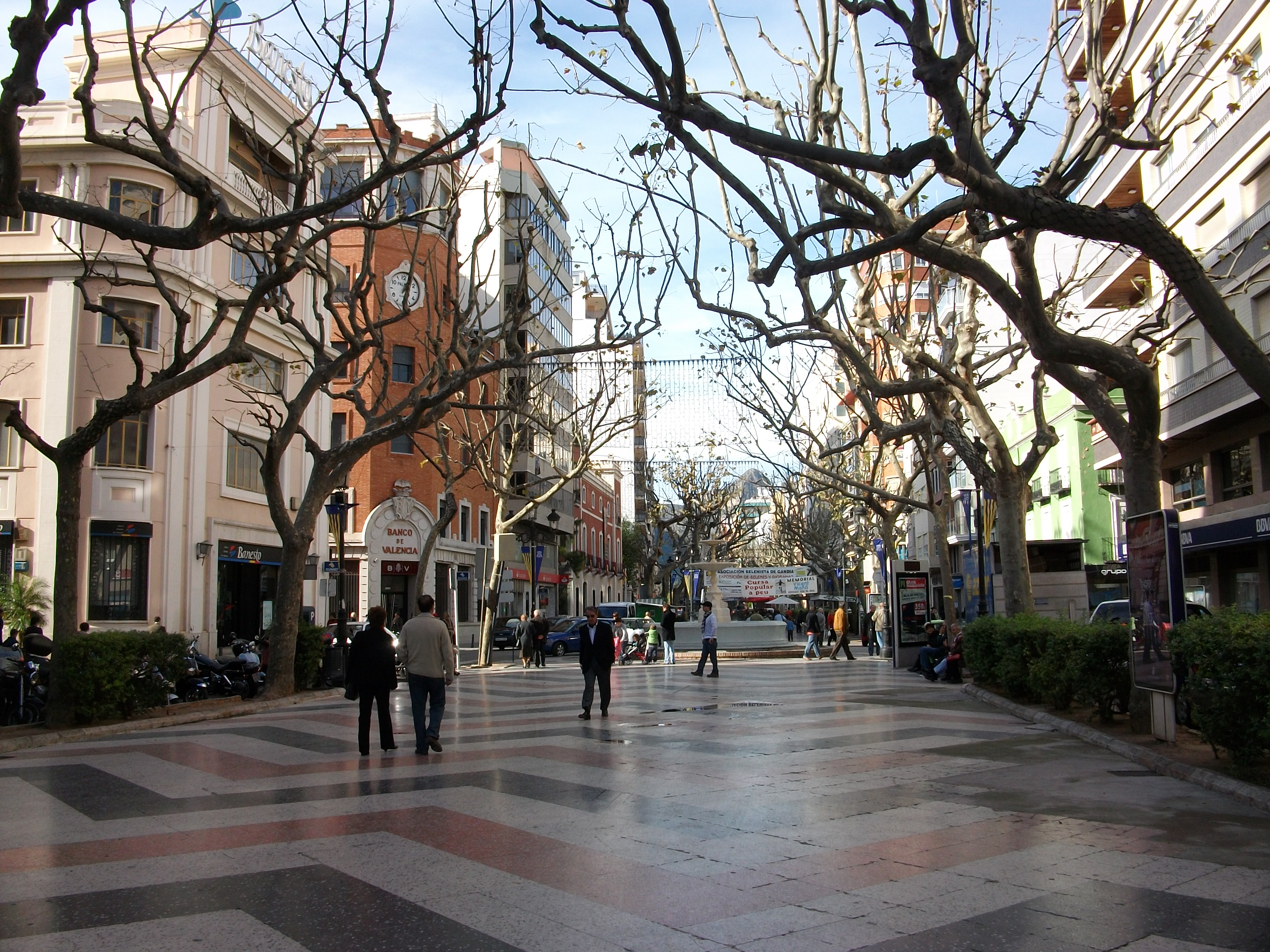
About Gandia
Gandia (Spanish: Gandía) is a city in Valencia Province, Spain. Gandia is a thriving centre of commerce, and as such does not rely solely on tourism. The beach and the town are some 4 km apart which succeeds in separating the summer tourism from day-to-day living.
Gandia travel guide
Understand
Gandia is the capital of the county of La Safor, between the mountains and the beaches of the Mediterranean. It is 65 km south of Valencia and 116 km north of Alicante and is one of the largest coastal towns and a rather well kept secret. Traditionally Gandia's tourism is Spanish-based, with a major part of it coming from Madrid. It seems though that the cat may be out of the bag with more and more foreign tourism coming to the area. With the foreign tourism boom, there has also been a rise in the number of people coming to live here. Imagine, in the middle of August being able to visit the bank in Gandia without fighting through hoards of people waving foreign currency and smelling of suntan lotion, to then be able to visit the beach and be right in the thick of it all. The same advantages also exist in the winter time. Unlike many coastal towns which become deserted as the colder months approach, Gandia stays populated and open. Oranges are a considerable source of income, but also onions, tomatoes, peppers and many other natural crops in La Conca de la Safor, handled and packed in the many local stores, contribute to the obvious wealth of the area, together with the industries that make the most varied of goods, the shops that sell them and the tourism, which has an important hotel infrastructure distributed along the coastline. All these products used to be exported via Gandia harbour, inaugurated in 1893 after an English company built the narrow-gauge railway from Alcoi to Gandia, where the company boats unloaded the coal that heated the factory boilers. The harbour was for many years the main point of export of Valencian oranges and, though it has not the traffic that it used to have in the 1960s, Gandia harbour still has a fishing fleet of some importance, while land transport has replaced transportation by sea. This has generated the appearance of many transport companies owning long-distance truck fleets that travel the roads and motorways of Europe and car
Getting there
By plane Two major airports are close enough: Valencia and Alicante, at a distance of 70 km (the former) and 110 km (the later).
By train 1 Estación de Tren de Gandía (Gandía Train Station), Parc de L´estacio, s/n, ☏ +34 902 240 505 (reservations). From Valencia, Renfe regional train line C1 departs every hour from Estació de València Nord; a one-way ticket costs €5.80 and the journey lasts about one hour. (updated Jan 2016)
By car Major roads get you to the center of the city. The main A7 motorway is directly adjacent to Gandía.
By bus 2 Estación de Autobuses de Gandía (Bus Station), Avda Marques de Campo, 12 (behind the train station), ☏ +34 962 871 064. A large bus terminal with direct links to Madrid and other major city in Europe. Within the region, Alsa operates a route connecting all major coastal settlements between Valencia and Alicante, including Cullera, Gandía, Oliva, Dénia, Calpe, Altea, Benidorm, and Villajoyosa. (updated Oct 2017)
By boat The marina at Gandia has 120 moorings up to 30 m. No visitor moorings are available (typical of Mediterranean marinas) but turn up or book and you should get in.
3 Trasmediterranea, Moll dels Borja, ☏ +34 902 454 645, [email protected]. Operates daily ferries to/from Ibiza (2½ hr; €70). (updated May 2016)
Getting around
By bus La Marina Gandiense (☏ +34 962 871 806) operates seven bus routes within Gandía and connecting the city to the surrounding pueblos. L2 and L6 connect the train station directly to the city beaches. A single journey costs €1.50-1.80, depending on the route, and is payable directly to the bus driver on entry.
By taxi Radio Taxi Gandia, ☏ +34 962 843 000, [email protected]. Daily 24 hr. There is also a taxi stand in front of the train station. (updated Jan 2016)
See
1 Palau Ducal dels Borja (Palacio Ducal de los Borja / Borja Ducal Palace), Carrer del Duc Alfons el Vell, 1, ☏ +34 962 871 465, [email protected]. Nov-Mar: M-Sa 10:00-13:30 15:00-18:30, Su and holidays 10:00-13:30; Apr-Oct: M-Sa 10:00-13:30 16:00-19:30, Su and holidays 10:00-13:30. Built in the 14th century by the Borja family, the largely Gothic palace was renovated in the Renaissance and Baroque periods. €8 adults; €6 65+; €4 children 6-17 & disabled; (discount for visitors who arrived by train if you show renfe ticket). (updated Jun 2025) 2 Museu Arqueologic De Gandía - MAGa (Museo Arqueológico de Gandia / Gandía Archaeological Museum), C/ de l'Hospital, 20, ☏ +34 962 959 540, fax: +34 962 959 569, [email protected]. Sep-Jun: Tu-Sa 10:00-14:00 15:00-19:00, Su 10:00-14:00; Jul-Aug: Tu-Sa 10:00-14:00 15:00-20:00, Su 10:00-14:00. This museum is devoted to the history of the area, and displays items dating from the Paleolithic to the Iron Age. €2 (adults), €1 (concessions), free on Su and holidays. (updated Sep 2018) 3 Casa de Cultura Marqués de González de Quirós (Marqués de González de Quirós Cultural Center), Passeig de les Germanies, 13, ☏ +34 962 959 535, fax: +34 962 959 539, [email protected]. M-F 09:00-14:00. The 19th-century palace is now a venue for temporary art exhibits as well as concerts. Free. (updated Sep 2018) 4 Museu Faller (Museo Fallero / Fallas Museum), C/ Sant Martí de Porres, 29, ☏ +34 962 966 819, [email protected]. Winter: Tu-Sa 10:00-13:00 17:00-19:00, Su 11:00-14:00; summer: Tu-Sa 10:00-13:00 18:00-21:00, holidays 11:00-14:00. This ethnographic museum is dedicated to illustrating and preserving traditions of the Fallas celebration. (updated Jan 2016) 5 Torreló del Pi (Great Pine Tower) (on the corner of Carrer Alzira and Carrer Sant Rafael). 24 hrs. So named from the pine tree that grows from the top, this is the only remaining and intact defensive tower from the city walls. It was built in the mid-15th century and restored in t
Do
Beaches Gandia has 7 km of beaches, which are known for their especially fine sand. The beach season runs from June until the end of September.
1 Platja del Nord (Playa Norte). The most developed beach, with lifeguard and first aid stations, showers, toilets. Sun loungers and umbrellas are available to rent, and there are a number of restaurants and snack bars immediately adjacent to the beach. (updated Jun 2017) 2 Platja de Venècia (Playa de Venecia). A small urban beach by the Serpis River, with basic services. (updated Jun 2017) 3 Platja de L’Ahuir (Playa de L’Ahuir). A quieter beach in a more natural setting, with protective dunes and vegetation, and a nudist section. (updated Jun 2017) 4 Platja Can (Playa Can). A dog-friendly beach just south of Playa de L’Ahuir. (updated Jun 2017) 5 Platja de Rafalcaïd (Playa de Rafalcaid). Gandia's most southerly, semi-urban beach has small dunes with vegetation, and is a good place for kitesurfing. (updated Jun 2017)
Festivals
Like its much larger neighbour Valencia, Gandia greets the arrival of springtime with a spectacular pyrotechnic festival known as Falles. Various events and entertainments take place over the period of a few days, culminating in the
Overview adapted from Wikipedia, travel guide fromWikivoyage (CC BY-SA). Photography via Wikimedia Commons.