
Dragoman marsh
Bulgaria · Europe
About Dragoman marsh
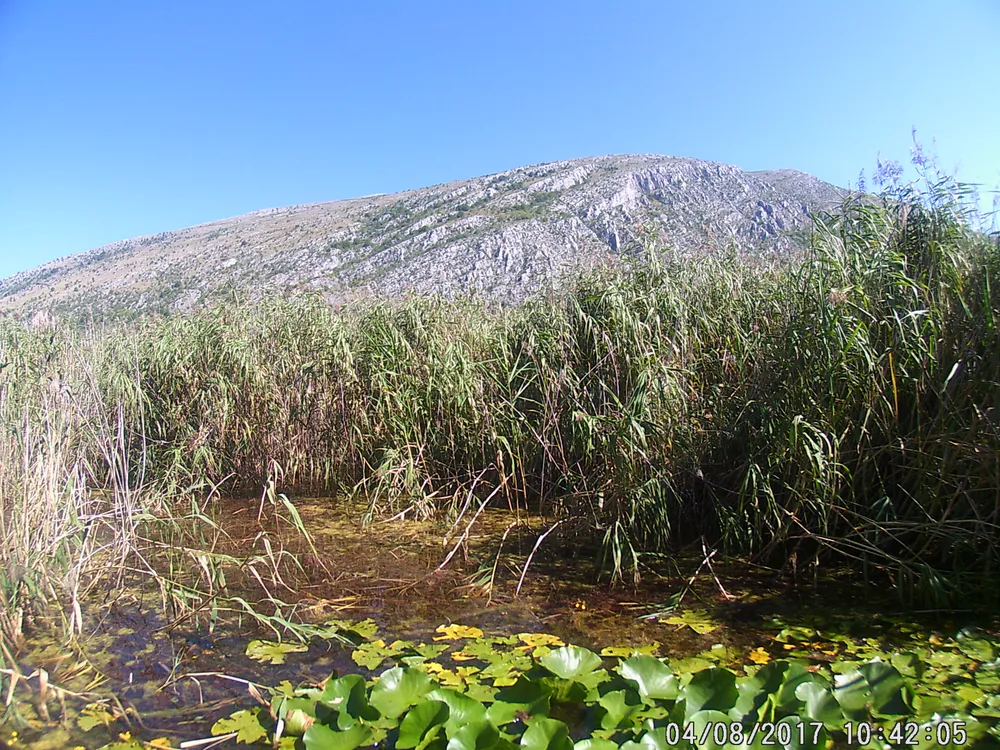
Dragoman Marsh is a protected karst wetland area in the Shopluk region of Bulgaria. With the unique combination of wetlands and karst hills, there is impressive biodiversity in the region of the Dragoman Marsh and Chepan Mountain.
Dragoman marsh travel guide
Understand
From the tallest grass on the planet to the smallest flowering plant known on Earth, the marsh grows some amazing representatives of Bulgarian flora. Make sure to linger amongst the beautiful water lilies or hunt for some insectivorous plants. Keep on the lookout for playful otters, predatory terrapins, secretive bitterns, loud-voiced warblers, tree frogs and many others as the fauna adapted to the aquatic life is no less impressive. Since draining activities were halted in the 1990 and the recovery of the marsh complete, the bird population has grown to represent over 215 species. And serving as the perfect backdrop to the marsh, Chepan Mountain is like an outdoor botanical garden – the limestone ridges are rich in native Balkan and Bulgarian species.
History In the beginning of the 20th century the Dragoman marsh spread over an area of 400-450 ha and its depth reached up to 1.5 m. At that time the site was one of the most significant wetlands in terms of biodiversity in West Bulgaria. The marsh was characterized by incredible diversity of plant species. The beautiful white-water lily (Nymphaea alba), the lesser bladderwort (Utricularia minor), the small bur-reed (Sparganium minimum), the great duckweed (Spirodela polyrhiza) all were present 100 years ago. After the disappearance of the insect-eating aldrovanda (Aldrovanda vesiculosa) and caldesia (Caldesia parnassifolia) they are no longer found in Bulgaria as the marsh was their only habitat in the country.
During nesting season in the past there used to breed Red-necked (Podiceps grisegena) and Black-necked Grebes (Podiceps nigricollis), Bitterns (Botaurus stellaris), Pintails (Anas acuta), Redshanks (Tringa totanus), Snipes (Gallinago gallinago), etc. Before the beginning of the autumn migration in late summer thousands of waterfowl preferred the secure conditions in Dragoman Marsh in order to moult here. One of the last nesting pairs of Common Cranes (Grus grus) was observed in the area. As most of t
Getting there
The town of Dragoman is a good starting point for your trip to the marsh, also because the Wetlands Conservation Centre Dragoman Marsh is located there. It's a visitor and educational centre run by the Balkani Wildlife Society, at walking distance from the actual marsh. You'll find an exhibition of the wetlands, you can purchase a brochure and get information about trekking and birdwatching. They even rent out binoculars and scoping tubes if you forgot to bring your own. If you're interested in a guided tour, contacting the conservation centre in advance is probably a good idea.
Getting around
Hiking is the way to get around. The marsh is mostly undeveloped, but the Balkani Wildlife Society has set out an ecotrail that leads to a watch tower. Use of the trail and tower are free of charge.
Overview adapted from Wikipedia, travel guide fromWikivoyage (CC BY-SA). Photography via Wikimedia Commons.