
Cabrera
Spain · Europe
About Cabrera
Cabrera is an island 15 km south of Mallorca, the largest of the Cabrera Archipelago, and the only one you can land on. The archipelago and a broad swath of the surrounding Mediterranean are a national park and have no permanent inhabitants, though several dozen rangers, coastguards and support staff are stationed on Cabrera. It's nominally administered from Palma city but that's just because the park offices are in the capital.
Cabrera travel guide
Understand
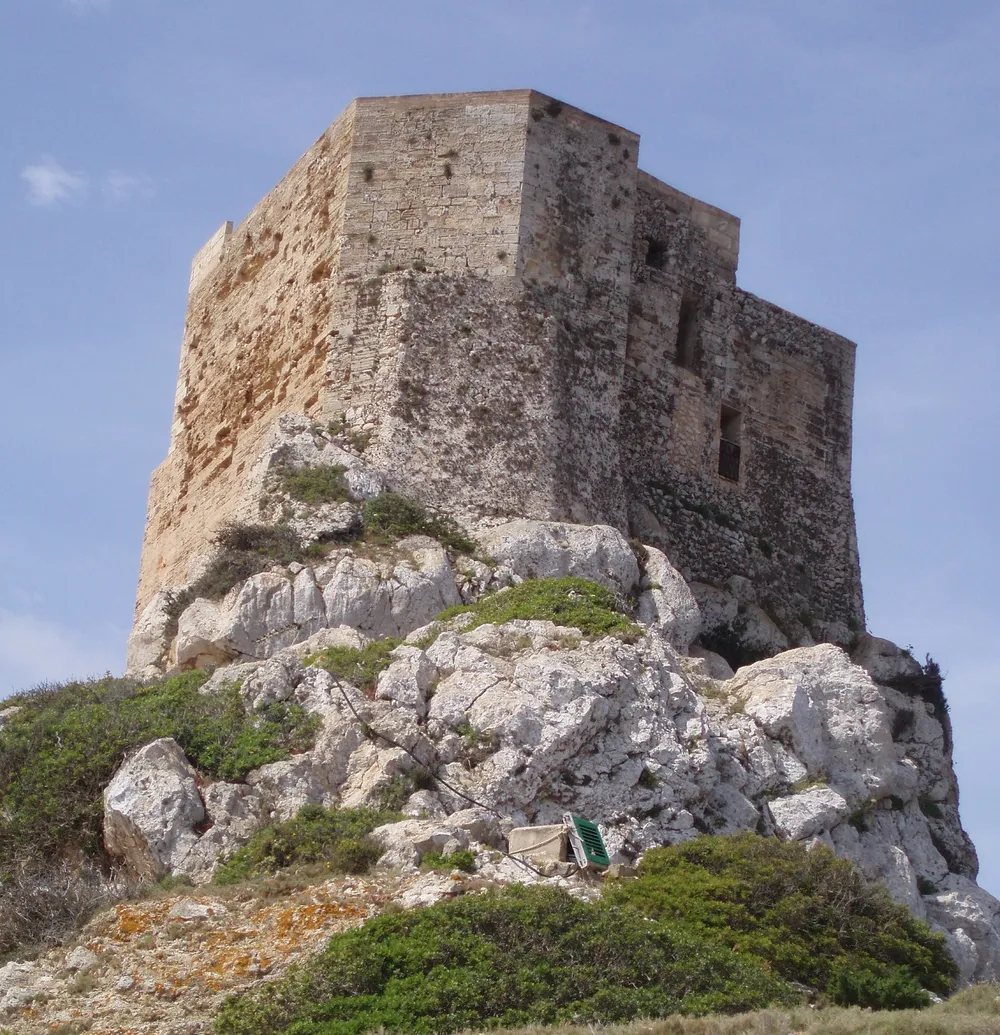
Cabrera extends 5.5 km east-west and the same north-south, but it's deeply indented by coves so few points are more than 500 m from the sea. A spine of limestone hills rises to around 150 m (the highest to 172 m) ending abruptly in sea-cliffs. It has a semi-arid Mediterranean climate, with maquis vegetation and pine trees; "Cabrera" means goats but these were removed in the early 20th century. The poor soil and lack of water made it a precarious place to live, but Cabrera was inhabited from prehistory, and several civilisations have had outposts here, watching out for their maritime opponents. The bastion above the main inlet and anchorage of Es Port was built around the 1390s, to be intermittently smashed then rebuilt. The last phase of military use was by Spain from 1916 to 1986, then the archipelago and its seas were established as a national park.
Getting there
Only registered vessels may enter the park, with prior uploads of the passports of all aboard - this is a busy smuggling and human-trafficking route from North Africa. Mar Cabrera boat trips sail from Colònia de Sant Jordi near the south tip of Mallorca. In summer they have 3 sailings a day, taking an hour to reach the island. Dive trips bring their own boats from Colònia. 1 Es Port is the only permitted landing point in the archipelago, in the sheltered inlet north side of the island. Vessels must offload then move away to avoid obstructing the jetty. Clustered here are the ranger station and visitor information point, toilets and a cantina. This is the only area in which you may smoke - cigarettes start wildfires and the butts are toxic to wildlife.
Getting around
Walk. Firm trails for ranger vehicles fan out from Es Port, and to prevent erosion you must stay on these. You need a boat to reach Blue Cave and the dive sites, there's no shore access along the precipitous coast.
Buy
The information point has a few postcards and souvenirs. No ATM on the island.
Sleep
No camping or other lodging on the island. Registered vessels may anchor overnight at Es Port.
Go next
Unless you brought your own boat, you have to return to Colònia on Mallorca. The aquarium there displays the park's marine life.
Overview adapted from Wikipedia, travel guide fromWikivoyage (CC BY-SA). Photography via Wikimedia Commons.