
Barbastro
Spain · Europe
About Barbastro
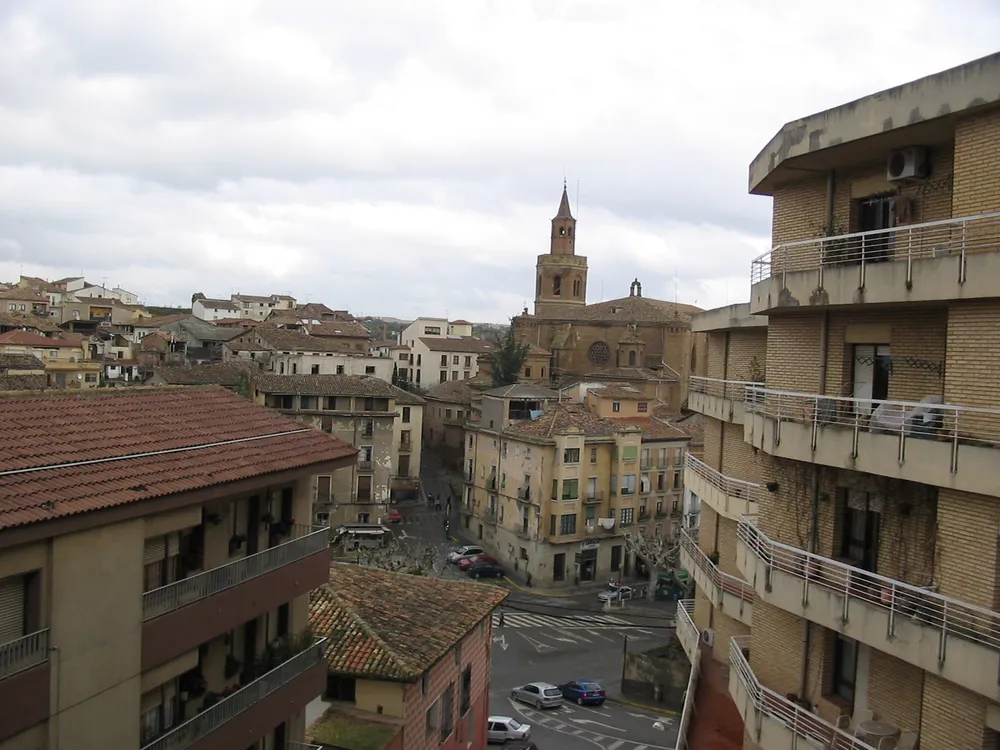
Barbastro is a city of 17,000 people (2018) in Aragon, at the junction of the rivers Cinca and Vero.
Barbastro travel guide
Understand
History An ancient Celtiberian city called Bergidum or Bergiduna, in Roman times was called Brutina. After the fall of the Western Roman Empire, it was part of the Visigoth kingdom. Barbastro and the Barbitaniya area were overtaken by Musa bin Nusair in 717, as part of the Ummayad push to conquer northern states of the Marca Hispanica and the name Madyar was given to the town. It was later settled by the Banu Jalaf who made it the capital of the Emirate of Barbineta and Huesca until 862, and was known as the Emirate of Brabstra until 882. In 1064, Sancho Ramírez, King of Aragón, and his Frankish Christian forces, led by William VIII of Aquitaine and Le Bon Normand, invaded the city, which at the time was part of the emir of Zaragoza. The following year, however, it was reconquered by the Moors. In 1101 it was conquered by Peter I of Aragon, who made it a bishopric seat. Barbastro since then followed the history of Aragon and Spain. Barbastro's economy flourished until the 20th century, when a period of decline began, ending only in the 1960s due to the growth of agricultural production.
Getting there
By bus: Regular lines stop at Aragon square’s bus station. By car: Arriving via motorway or the N-240 road, take the “Barbastro-centre” exit. The best option is to park close to the exit, at a free parking area which is close to the graveyard, in front of the tourist office.
Getting around
You can walk all over the way. There's a bus service, but there is no point in using it for a tourist point of view.
See
San Julián gate. This is an ancient gate, which the travellers from Zaragoza used to use to enter the town centuries ago. This gate belonged to Barbastro’s fourth exterior wall. This wall was built in the 17th century, and according to historical documents, it was the weakest of all the walls surrounding Barbastro and had a lot of towers. Today this gate stands as a reminder of the original one that was used to support the hospital floors. The bullfighting ring, with its tiny museum is to the left of the gate. There’s only one bullfight a year (in September), but it is also used for concerts during the Somontano music festival in August. Walking down the steep street outside the bullfighting ring, you will realise why Barbastro is known as “the small ravine”. It ends at Aragon square, known as “los Jardinetes” (the “small garden”) and the Coso avenue. The north side of the square makes up the second wall of Barbastro built in 918 by the Muslims to protect the early city of Barbastro, which today is the Entremuro district. Nowadays the wall is hidden behind the buildings, but its ‘look’ remains. The street continues next to the bus station and it does not offer any entrances, apart from “las escaleretas” (“the small steps”), a small flight of steps that was opened in the 17th century. Inside these buildings there are the remains of at least three defensive towers. The wall surrounded the city by the street next to the bus station, and it continued up the north side of the Coso Avenue. Buildings on the north side of Coso Avenue are still leaning against the ancient wall. In front of the square lies the cathedral. To arrive at its gate inside the wall, centuries ago people crossed the Abbot Ducha gate, southbound entry to Barbastro.
Cathedral During Muslim rule, there were eight mosques in Barbastro, and the Cathedral was the greatest of them all. This seems like a big number of Mosques, but this only serves to highlight how important the city was back then. Before
Buy
Barbastro has always based its economy on trade, because it is well connected with the Pyrenees valleys. The typical products are, apart from the Somontano wine, the chiretas (lamb stomach filled with spiced rice and meat; similar to the Scottish Haggis) and the sweets: “crespillos”, “pastillo” and Biarritz cakes. If you don’t dare to taste “chiretas” (even though they taste better than they sound), you could go for the “pastillo”, but if you need to take it away inside your bag then maybe the “Biarritz” cakes are easier to carry.
Eat
It is easy to have a nice and cheap lunch or dinner anywhere in Barbastro. Both Coso Avenue or Mercado square offer suitable places for different budgets.
From €10 to €15 El Rincón, ☏ +34 974 30 89 50. Amazing quality and price. Delicious daily menu. It’s better to book in advance. Mesón del muro. A good and affordable daily menu, also served on the weekends. Hotel “Mi casa”. A cheap, homemade and tasty menu at the hotel restaurant.
€20 and up Trasiego. Delicious tapas and dished at a reasonable price. Modern but cozy. Ordesa. Nice food in really large amounts. Do not miss their grilled meat. Bodega del Vero. Maybe the most expensive option, but it’s hard to match its quality anywhere. The decoration and atmosphere is magnificent.
Overview adapted from Wikipedia, travel guide fromWikivoyage (CC BY-SA). Photography via Wikimedia Commons.