

New Zealand
Capital: Wellington · Oceania
New Zealand is a South Pacific island nation celebrated for its stunning landscapes and pristine environment. Made up of two main islands and home to about 5.2 million people, it boasts snow peaks, fjords, plains and volcanoes — the backdrop of the 'Lord of the Rings' films and a global travel favourite. Farming and tourism anchor its economy, with dairy exports worldwide. As a Western democracy and member of the Five Eyes, New Zealand's Indo-Pacific role draws growing attention. Its embrace of Maori culture and nature conservation shapes a distinctive national identity.
New Zealand in world rankings
- 118th largest by population in the world (of 219)
- 76th largest by area in the world (of 219)
- 50th largest economy (GDP) in the world (of 178)
- 19th highest GDP per capita in the world (of 178)
- Capital
- Wellington
- Population
- 5,307,800
- Area
- 268,021 km²
- Currency
- New Zealand dollar
- GDP
- $264.1B
- GDP per capita
- $49,591
- Life expectancy
- 82.0 yrs
- Urban population
- 84%
- Calling code
- +64
- Internet users
- 94%
- Forest cover
- 38%
- Languages
- Māori, New Zealand Sign Language, English
New Zealand compared with Taiwan
How New Zealand measures up against Taiwan — home to 23.3 million people across 36,193 km².
Latest news — New Zealand
More news →Ten Injured After Vehicle Plows Into Rugby Celebration Crowd in Newcastle
Ten people were injured, several critically, when a vehicle was driven in a reckless and dangerous manner into a crowd in Newcastle, Australia. The inciden
Endangered Black Robin Wins New Zealand's Annual Bird of the Year Competition
New Zealand’s critically endangered black robin has claimed victory in this year’s prestigious Bird of the Year competition, securing more than 26,000 vote
Cook Islands Election Underway, Challenges Prime Minister Brown
In the Cook Islands, located in the South Pacific, voters recently cast their ballots to elect 24 members of parliament. The election has seen intense comp
.jpg%3Fwidth%3D1000)
Discover Aotearoa, the breathtaking island paradise where ancient Maori legends still brea
Nestled in the pristine waters of the South Pacific Ocean, southeast of Australia, lies New Zealand, a nation of stunning geographic contrasts and a popula
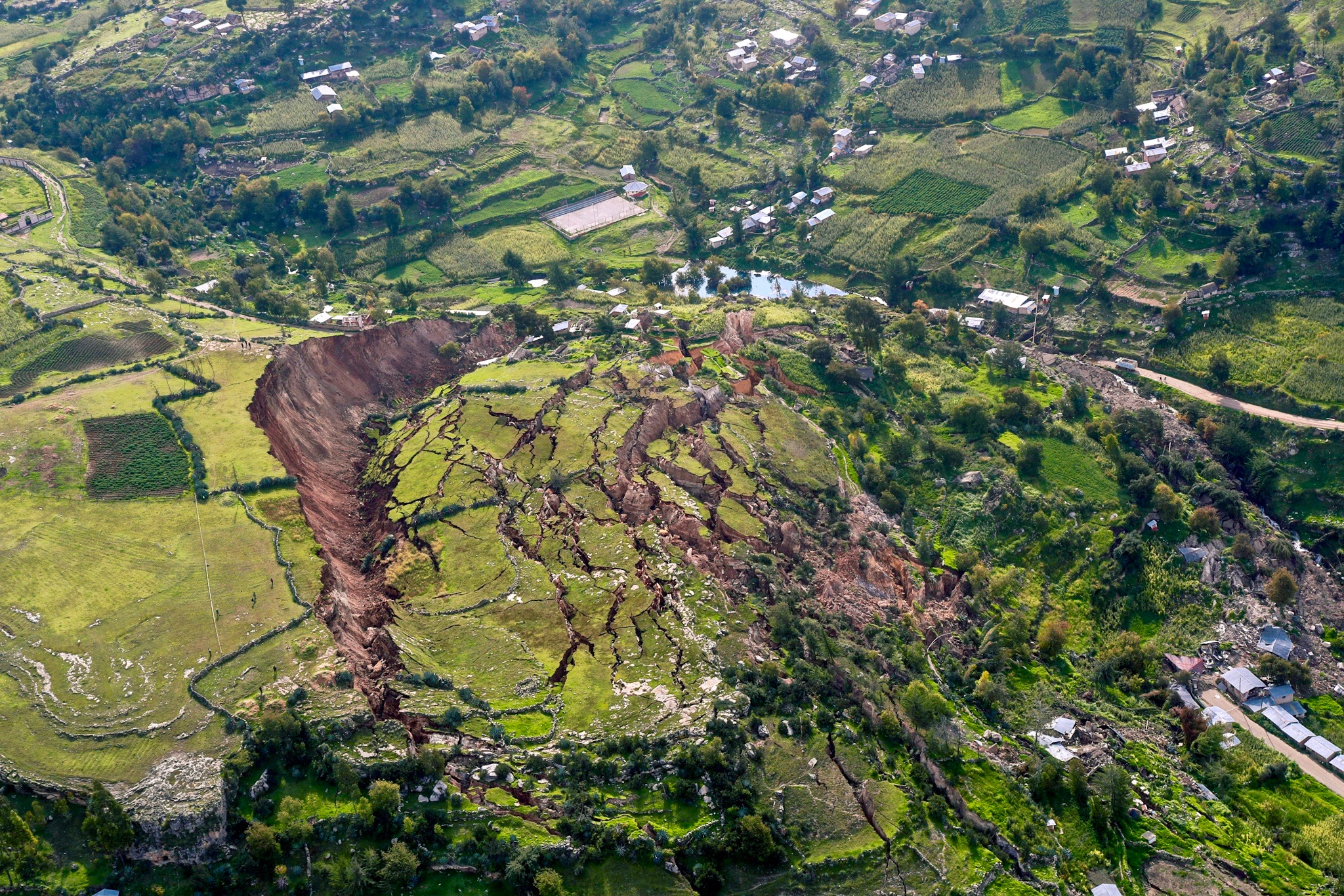
Solomon Islands Gold Mine Disaster Claims at Least Ten Lives Amid Emergency Response.
At least ten people have been confirmed dead following a landslide at a gold mine on the island of Guadalcanal, Solomon Islands. Local media have reported
India and New Zealand Establish Strategic Partnership to Expand Cooperation
During Indian Prime Minister Narendra Modi’s recent visit to Auckland, New Zealand, India and New Zealand announced the establishment of a strategic partne
Country profile
Background
Polynesians settled New Zealand between the late 1200s and the mid-1300s. They called the land Aotearoa, which legend holds is the name of the canoe that Kupe, the first Polynesian in New Zealand, used to sail to the country; the name Aotearoa is now in widespread use as the local Maori name for the country. By the 1500s, competition for land and resources led to intermittent fighting between different Maori tribes as large game became extinct. Dutch explorer Abel TASMAN was the first European to see the islands in 1642 but left after an encounter with local Maori. British sea captain James COOK arrived in 1769, followed by whalers, sealers, and traders. The UK only nominally claimed New…
Location
Oceania, islands in the South Pacific Ocean, southeast of Australia
Climate
temperate with sharp regional contrasts
Terrain
predominately mountainous with large coastal plains
Natural resources
natural gas, iron ore, sand, coal, timber, hydropower, gold, limestone
Ethnic groups
European 64.1%, Maori 16.5%, Chinese 4.9%, Indian 4.7%, Samoan 3.9%, Tongan 1.8%, Cook Islands Maori 1.7%, English 1.5%, Filipino 1.5%, New Zealander 1%, other 13.7% (2018 est.)
Religions
Christian 37.3% (Catholic 10.1%, Anglican 6.8%, Presbyterian and Congregational 5.2%, Pentecostal 1.8%, Methodist 1.6%, Church of Jesus Christ 1.2%, other 10.7%), Hindu 2.7%, Maori 1.3%, Muslim, 1.3%, Buddhist 1.1%,…
Languages
English (de facto official) 95.4%, Maori (de jure official) 4%, Samoan 2.2%, Northern Chinese 2%, Hindi 1.5%, French 1.2%, Yue 1.1%, New Zealand Sign Language (de jure official) 0.5%, other or not stated 17.2% (2018…
Government
parliamentary democracy under a constitutional monarchy; a Commonwealth realm
Economy
high-income, globally integrated Pacific island economy; strong agriculture, manufacturing, and tourism sectors; reliant on Chinese market for exports; recovery trajectory following deep post-pandemic recession; challenges of fiscal deficits, below-average productivity, cost of living, and drop in net migration
New Zealand · Travel guide
Understand
New Zealand is increasingly known, both in the indigenous Māori language and in New Zealand English, as Aotearoa, often translated as "land of the long white cloud". Originally, Aotearoa referred to only the North Island. The two main islands are officially named North Island / Te Ika-a-Māui and South Island / Te Waipounamu. Te Ika-a-Māui means "the fish of Māui"; in Māori legend, the North Island is a giant fish pulled up from sea by the demigod Māui, with its head to the south. Wellington is sometimes called te upoko o te ika (the head of the fish") and once boasted a monthly magazine called Fishhead. Te Waipounamu means "the greenstone waters"; greenstone is a nephrite jade found in the South Island and is highly valued by Māori people. An alternative (but unofficial) Māori name for the South Island is Te Waka-a-Māui (the canoe of Māui). New Zealand's economic, social, linguistic and cultural characteristics closely resemble those of Australia, but there are also noticeable differences that New Zealanders are often eager to emphasise. In particular, the indigenous Māori culture has been woven into New Zealand's cultural fabric and is seen by most New Zealanders as an integral part of their national identity. It is important to note that the Aboriginal Australian and the New Zealand Māori cultures are not related, although they often have common cause with respect to colonialism. New Zealanders enjoy a high standard of living, and the country is consistently ranked among the most livable and least corrupt in the world.
Geography New Zealand consists of two main islands (the North Island and the South Island) and many smaller ones in the South Pacific Ocean approximately 1,600 km (1; 000 mi) southeast of Australia. The country covers 268,000 sq km (103; 500 sq mi), sl
Getting there
Passports, visas and documentation
All visitors, apart from Australian citizens, require an electronic travel authority or a visa in advance of travel to enter or transit New Zealand. Citizens of the Cook Islands, Tokelau and Niue are New Zealand citizens. However, due to differing immigration laws, citizens of these countries need to present their passport when entering and leaving New Zealand. These countries also have their own separate visa policies; see their respective articles for details if you plan to visit them. At major international airports, citizens of New Zealand, Australia, Austria, Belgium, Canada, mainland China, Denmark France, Germany, Ireland, Japan, Luxembourg, the Netherlands, Romania, Singapore, South Korea, Spain, Sweden, Switzerland, the United Kingdom and the United States who are aged 10 and over and possess ePassports may make use of the automated border control gates (eGates). Being able to use an eGate does not exempt you from visa requirements.
All travellers, regardless of age or nationality, need to complete a New Zealand Traveller Declaration when entering New Zealand. You can submit the declaration no earlier than 24 hours before your departure from the last foreign airport or seaport before New Zealand, and you must submit it before reaching passport control (if travelling by air) or your ship berths in New Zealand (if travelling by sea). The declaration can be done online, on the NZTD app, or by using a paper arrival card.
Visa waiver and electronic travel authority (NZeTA) Foreign nationals of the following countries and territories are eligible for visa waiver:
Three months: All European Union member states, Andorra, Argentina, Bahrain, Brazil, Brunei, Canada, Chile, Hong Kong SAR (including British National (Overseas) pa
Getting around
By coach Coaches (long-distance buses) are a relatively cheap and environmentally friendly way to get around New Zealand. Services are usually only once a day, even between major towns. Most roads in New Zealand are quite narrow and winding (when compared to the highways of the USA), and travelling a long distance in a coach can be a safe and relaxing way to travel compared with driving yourself. Booking in advance can get you great bargains on some lines.
Flying Kiwi Adventures. Trips range from 3 to 27 days and cover both main islands. The tours focus on enjoying outdoor beauty and excitement with numerous hiking, cycling and activity options. There are also options to take extended breaks in your favourite places. Discounts are available for holders of YHA, VIP, ISIC and NOMADs cards.
InterCity. New Zealand’s national coach company, with services connecting over 600 destinations nationwide. InterCity Group has voluntarily adopted European Emission standards across its fleet of modern coaches. Operates the InterCity and Newmans lines, and a fleet of modern vessels and coaches for GreatSights New Zealand, Fullers GreatSights Bay of Islands and awesomeNZ. Tickets can be purchased from the InterCity ticket counters at bus stations or i-SITE information centres and a discount is
Cities & destinations in New Zealand 66
World Heritage in New Zealand 3
Museums in New Zealand 6
National parks in New Zealand 6
Airports in New Zealand 60
Tallest buildings in New Zealand 7
Caves in New Zealand 12
Nature reserves in New Zealand 12
Ports in New Zealand 11
Railway stations in New Zealand 12
Hospitals in New Zealand 12
Hotels in New Zealand 12
Shopping malls in New Zealand 12
Aquariums in New Zealand 12
Stately homes & country houses in New Zealand 2
Churches in New Zealand 12
Gardens in New Zealand 12
City parks in New Zealand 12
Notable schools in New Zealand 12
Music venues in New Zealand 12
Arenas in New Zealand 7
Town halls in New Zealand 6
Casinos in New Zealand 3
Fire stations in New Zealand 2
Racecourses in New Zealand 12
Breweries in New Zealand 10
Cemeteries in New Zealand 12
Observatories in New Zealand 12
Ski resorts in New Zealand 12
Prisons in New Zealand 9
Mines in New Zealand 12
Amusement parks in New Zealand 4
Reservoirs in New Zealand 12
Zoos in New Zealand 11
Canals in New Zealand 1
Palaces in New Zealand 1
Botanical gardens in New Zealand 12
Squares & plazas in New Zealand 12
Monuments & memorials in New Zealand 12
Libraries in New Zealand 12
Forts & fortresses in New Zealand 9
Tunnels in New Zealand 12
Power stations in New Zealand 12
Glaciers in New Zealand 12
Archaeological sites in New Zealand 12
Monasteries in New Zealand 1
Synagogues in New Zealand 4
Hindu temples in New Zealand 3
Mosques in New Zealand 5
Cathedrals in New Zealand 12
Tallest towers in New Zealand 11
Tallest dams in New Zealand 11
Explore New Zealand by category
Country fields from Wikidata (CC0); flag via Wikimedia Commons; profile from the CIA World Factbook (public domain); travel guide from Wikivoyage (CC BY-SA); GDP, GDP per capita and life expectancy from World Bank Open Data (CC BY 4.0).