
Learning Devanagari
旅遊會話手冊
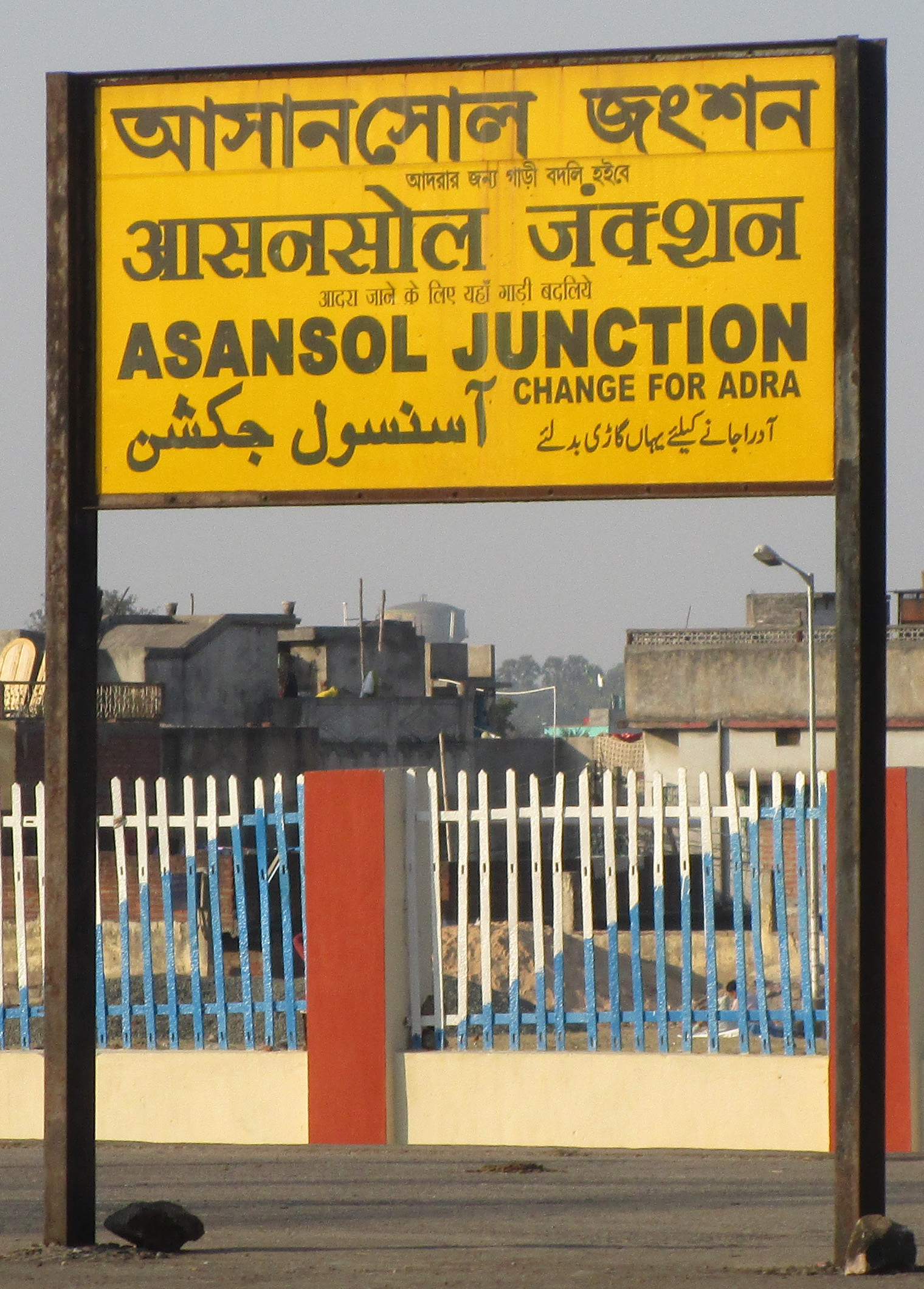
Devanāgarī (देवनागरी), sometimes called Nagari for short, is a writing system used in most of India. It consists of about 52 primary letters which combine to form syllables. Major languages of India, including Hindi, Marathi, Nepali and the "god language" Sanskrit use this script. Minor languages like Bodo, Kokborok, Maithili and Santali also use this script.
Understand
Devanagari writing is often likened to a washing line: a line is drawn above the words, and the letters are hung out to dry below the line. A break in the line indicates a break between words. Devanagari is classified as an abugida, which means that each character represents a syllable, not a single letter as in English. If the character is a consonant, the implicit vowel following it is assumed to be a, unless modified by special vowel signs added above, below, after or even before the character.
Letters
Vowels Each vowel has two forms: an "isolated" form when beginning a word or following another vowel; and another used within a word by use of diacritics called मात्रा (mātrā). As an example, the forms used with consonants are placed with the letter त्. In Sanskrit, if there is no vowel sign, the vowel is always assumed to be a. In Hindi, Marathi and Nepali, the vowel is often dropped under certain rules. See the respective phrasebooks.
Consonants
Modifiers त is used here for demonstrative purposes:
Ligatures
One of the things which appears daunting to most learners are the over 100 conjunct characters. These happen when two or more consonants are joined together (with no vowel between). Upon seeing all these, the new learner might gasp, thinking that they will have to memorise each one as if they were Chinese ideograms. The good news is that most of these are quite simple and merely involve dropping the inherent 'a' stem. e.g.:
त् + म = त्म न् + द = न्द स् + क = स्क However, there are a few special constructions. For many of these, you may also use the previous method though. e.g.
त् + त = त्त ष् + ट = ष्ट क् + ल = क्ल Most often odd forms arise, in consonants without a stem. e.g.
द् + भ = द्भ ह् + ल = ह्ल ट् + ठ = ट्ठ Do not worry too much about conjuncts though, you may always suppress the inherent 'a' with a halanta. Another thing which causes problems for new learners is the use of र, which is treated as a vowel as in Hindi it is a "semi-vowel." There are three forms for conjuncting र, and one for ऋ: 1. After a consonant with a stem add a slash from the lower half of the stem (top-down, right-left). e.g.:
प् + र = प्र क् + र = क्र ग् + र = ग्र श+ र = श्र त् + र = त्र. 2. After a vowel and before a consonant र is written as a small hook (a good mnemonic trick is to picture a stylized lower case r). This conjunct cannot occur alone, nor begin a word. Therefore, an example shall be given within the context of Hindi words:
गर्म garm, "hot" सिर्फ़ sirf, "only" कर्म karm, "karma" (In Sanskrit, the last inherent vowel is not written long as it is in Hindi) If followed by ā, ī, e, o, or ai the "hook" is moved one letter to the right, e.g. the name Marco would be written as मॉर्को. 3. In most letters without stems, the र is joined to the consonant by placing a circumflex-like diacritic below the letter, e.g.:
द् + र = द्र ट् + र + ट्र ड् + र = ड्र 4. ऋ when preceded by a consonant is written as a small hook resembling the Polish ogonek attached to the stem. Only occurs in Sanskrit words, most notably the word Sanskrit itself: संस्कृतम् saṁskr̥tam. 5. र has two special forms when followed by u, and ū respectively:
रु ru रू rū
Punctuation
Punctuation is the same as in English, except for the period, or full stop called the विराम virāma: "।". When a question is used with a question marker like Hindi क्या kya, meaning what; no question mark is needed. In speech when no question marker is used, there is a rise in intonation towards the end of the sentence. Hindi example, is he a good boy?: क्या वह अच्छा लड़का है? — kya voh accha laṛka hai? क्या वह अच्छा लड़का है। — kya voh accha laṛka hai? वह अच्छा लड़का है? — voh accha laṛka hai?
Exceptions
Devanagari is quite regular, but there are a few pronunciation quirks to watch out for when using it to read languages like Sanskrit, Hindi, Marathi and Nepali. "-a" though usually pronounced short, is always written long at the end of a masculine word (the exceptions are Sanskrit words) as a visible mas. marker -ā. The feminine "-ī" marker is pronounced as written.
Related scripts
While Devanagari is a dominant script in India, don't expect that all languages of the country would use the same script! Although the Gujarati script is based on Devanagari, it looks quite different from Devanagari. The Bengali and Assamese scripts are also very similar to Devanagari, although they look different. The writing systems used in Southern India may look rather alien to Devanagari, despite being nearly as complex. Although Kannada and Telugu use ligatures like Devanagari, Malayalam and Tamil eschew them, making the latter two somewhat easier to learn.
本指南改寫自 Wikivoyage (CC BY-SA)