
Czech phrasebook
旅遊會話手冊
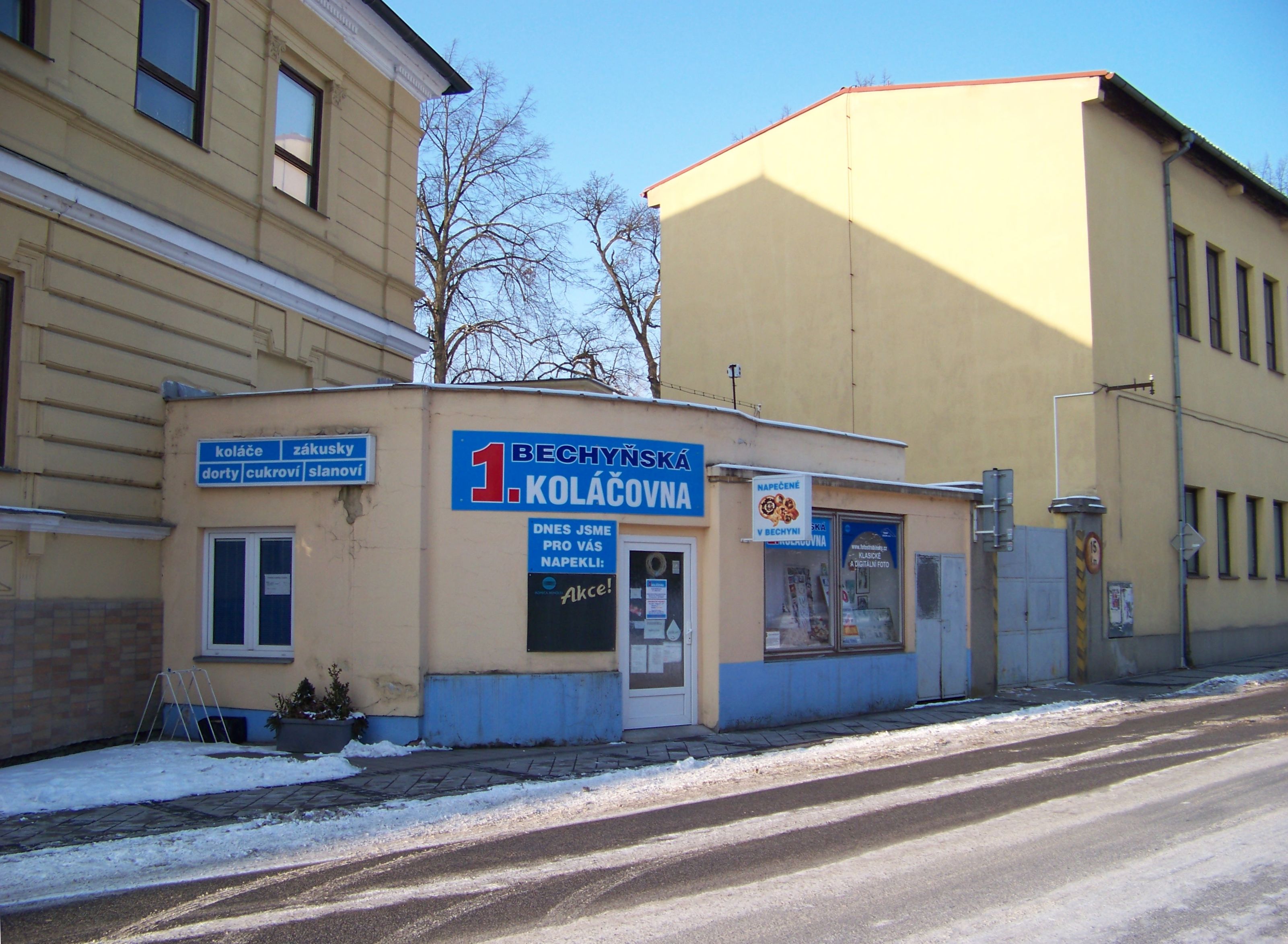
Czech (čeština) is a West Slavic language, closely related to Slovak and Polish. Spoken by over 10 million people as a first language and at least 6 million who use it as a second language (mainly in Slovakia), Czech is the official language of the Czech Republic, and also understood by many in Slovakia.
Pronunciation guide
Pronunciation is very simple, since words are pronounced the same way as they are written. You only need to know, how to pronounce each letter.
Stress Unlike e.g. Spanish, the accent doesn't mean a vowel is stressed. It means it's long. Czech is basically an unstressed language (all syllables given equal stress), but the (light) stress is always on the first syllable.
Short vowels a like 'u' in "cup" [uh] e like 'e' in "red" [eh] i like 'i' in "bit" [ih] o like 'o' in "bore" [oh] u like 'u' in "put" [oo] y same as 'i' [ih]
Long vowels á like 'a' in "far" [aa] é not found in English, but just stretch out the e sound í like 'ee' in "spleen" [ee] ó stretch out the o sound ú/ů like 'oo' in "pool" [ooh] ý like 'ee' in "speed" [ee] (and exactly the same pronunciation as í)
The vowel Ěě
The Czech vowel "ě" is pronounced in one of three ways, depending on the preceding letter.
dě, tě, ně pronounced as though they were written ďe, ťe, ňe — the preceding consonant is softened and the e is pronounced [eh] mě pronounced as though it was written mňe — a soft n, like the Spanish ñ, is inserted and the e is pronounced [eh] in all other cases (bě, pě, vě) ě is pronounced 'ye' as in "yet" but in a middle of a word 'ie' in "miedo"
Syllabic r, l Consonants r and l are used also as syllabic (sonant), i. e. they stand as vowels. That's why they can shape seemingly unpronounceable groups of consonants as in the words zmrzlina, scvrnkls, zmrd, čtvrthrst, skrz etc.
Consonants b like 'b' in "bed" c like 'ts' in "bits" č like 'ch' in "child" d like 'd' in "dog"; dě, di, dí like ďe, ďi, ďí ď like 'd' in "duty" (UK) f like 'f' in "for" g like 'g' in "go" h like 'h' in "help" ch like 'ch' in the Scottish word "Loch" j like 'y' in "yell" k like 'k' in "king" l like 'l' in "love" m like 'm' in "mother" n like 'n' in "nice"; ně, ni, ní like ňe, ňi, ňí ň like 'ñ' in Spanish "señor" p like 'p' in "pig" q like 'q' in "quest" (very rare) r like Scottish 'r' (a.k.a. rolling 'r') ř like 'rzh'; is like the trilled 'r' and the 'su' in " pleasure " together, the tip of your tongue should vibrate loosely. Like "diversion". (This sound is very difficult for foreigners.) s like 's' in
Phrase list
Basics
Hello. (formal, literally good day) Dobrý den. (DOH-bree dehn) Hello. (informal) Ahoj. (ahoy) How are you? (formal) Jak se máte? (yahk seh MAA-teh?) – used really as a question! How are you? (informal) Jak se máš? (yahk seh MAA-sh?) – used really as a question! Fine, thank you. Dobře, děkuji. (DOH-brzheh, DYEH-koo-yih.) What is your name? (informal) Jak se jmenuješ? (yahk seh YMEH-noo-yehsh?) My name is ______ . Jmenuji se ______ . (YMEH-noo-ee seh _____.) Nice to meet you. Těší mě. (TYEH-shee myeh.) Please. Prosím (Proseem) Thank you. Děkuji. (Dyekooyih.) You're welcome. Rádo se stalo. (Raado seh stulo.) Yes. Ano. (AH-noh.) No. Ne. (neh.) Excuse me, I am sorry. (getting attention) Promiňte (PROH-mih-nyteh) I'm sorry. Je mi to líto. (yeh mee toh LEE-toh) Goodbye. Na shledanou. (NAHSH-leh-dah-noh) I can't speak Czech [well]. Neumím [moc dobře] mluvit česky (Neh-oomeem [mots dobrzheh] mloovit cheskee.) Do you speak English? Mluvíte anglicky? (Mlooveeteh unglitskee?) Is there someone here who speaks English? Je tady někdo, kdo mluví anglicky? (Yeh tuhdih nyegdo gdo mloovee uhnglitskee?) Help! Pomoc! (POH-mohts!) Look out! Pozor! (Pozor!)
Good morning. Dobré ráno (DOH-brehh RAHH-noh) Good evening. Dobrý večer (DOH-bree VEH-chehr) Good night. Dobrou noc (DOH-broh nohts) I don't understand. Nerozumím (NEH-roh-zoo-meem) Where is the toilet? Kde je záchod? (Gdeh yeh ZAHH-khoht?)
Problems Leave me alone. Nechte mě být. (NEHKH-teh myeh beet) Don't touch me! Nedotýkejte se mě! (NEH-doh-tee-keh-teh seh myeh!) I'll call the police. Zavolám policii (ZAH-voh-laam POH-lee-tsee) Police! Policie! (POH-lee-tsee-eh!) Stop! Thief! Stůj, (stooyeh) zloději! (ZLOH-dyehy!) I need your help. Potřebuji vaši pomoc. (POHT-rzheh-boo-yee VAH-shee POH-mots) It's an emergency. Je to nouzová situace. (yeh toh NO-zoh-vaa SIH-to-ah-tseh) I'm lost. Jsem ztracen (YEH-sehm ZTRAH-tsehn) I've lost my bag. Ztratil jsem tašku (ZTRAH-til yeh-sehm TAHSH-koo) I've lost my wallet. Ztratil jsem peněženku (ZTRAH-til yeh-sehm PEH-ehh-zhehn-koo) I'm sick. Je mi špatně. (yeh mee SHPAH-tnehh) I've been injured. Jsem zraněn (YEH-sehm ZRAH-nehhn) I need a doctor. Potřebuji doktora (POHT-rgeh-boo-yee
本指南改寫自 Wikivoyage (CC BY-SA)