
Along the Yangtze River
旅遊行程
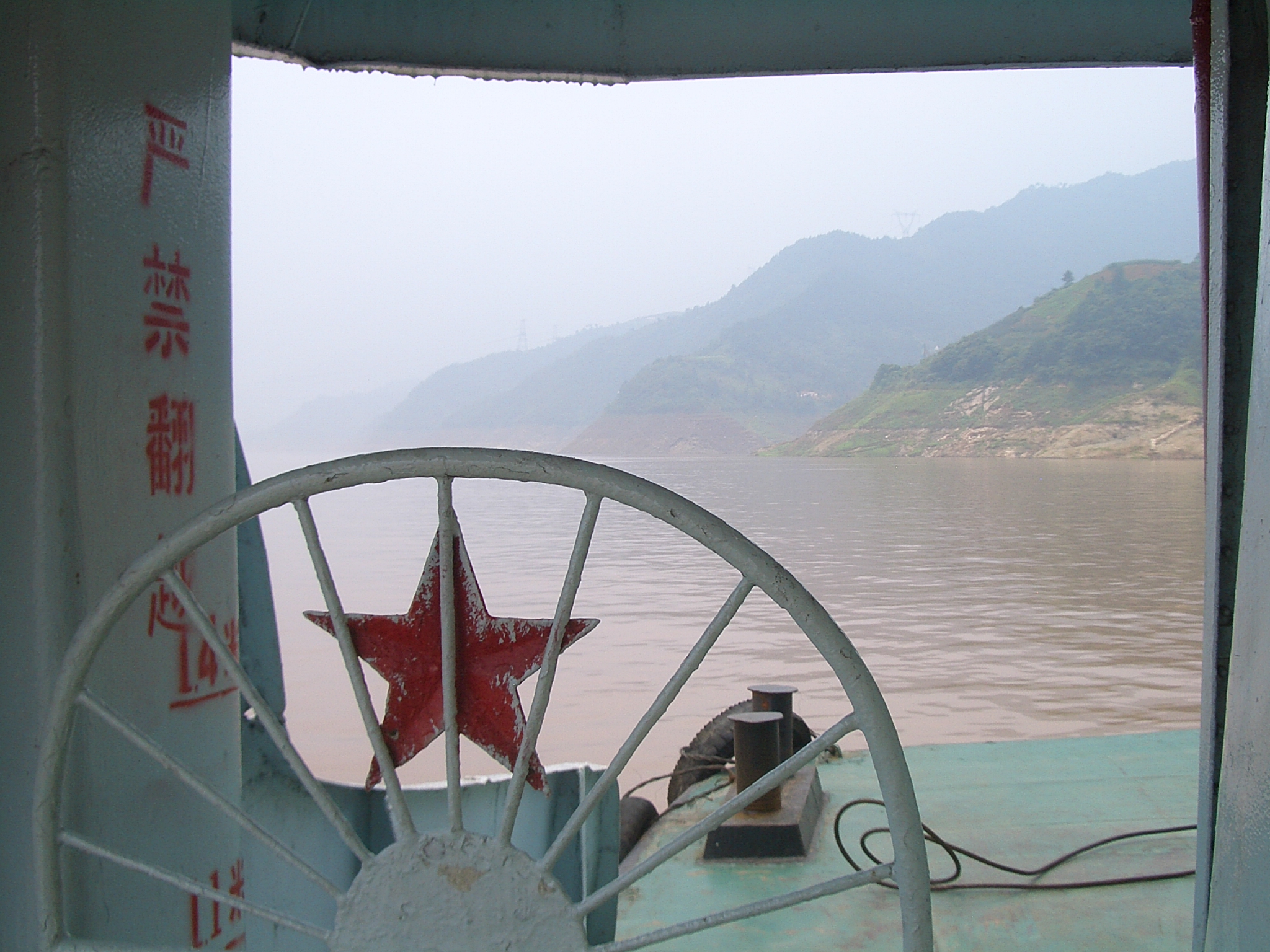
The Yangtze River (Chinese: 长江 Cháng Jiāng, literally "long river") is China's greatest river and a historic transport route.
Understand
The Yangtze has been an important transportation route with major cities along its banks for several thousand years. The Chinese civilization first developed along the Yellow River basin, before expanding southward to the Yangtze river basin during the Zhou Dynasty (1046 BC – 256 BC). As a major transportation artery in China's rice bowl, the Yangtze has been important through most of Chinese history. The Western name "Yangtze" comes from the stretch of the river from Yangzhou to Zhenjiang, called the Yangzi (扬子) in Chinese. This was the name first heard by Western missionaries and traders, particularly by the British, and it has stuck. It is named in honor of the former emperor Yang. Most Chinese will not understand what you mean; use the proper Mandarin title of Chang Jiang (long river) instead.
Get in
Shanghai has a major international airport with connections to almost anywhere. The other major cities on the route (Nanjing, Wuhan, Chongqing) have airports with good connections throughout China, but few direct international flights. However, KLM flies Amsterdam-Chengdu and Amsterdam-Kunming, Air France flies Paris-Wuhan, Lufthansa Frankfurt-Nanjing and Korean Air has flights from Seoul to several of these cities. Finnair offers direct flights to Chongqing. From Southeast Asia, a popular cheap flight into the region is Air Asia Kuala Lumpur to Hangzhou.
Go
The most famous part of this route is the sensational cruise ships through the Three Gorges area between Chongqing and Yichang. With the enormous Three Gorges Dam project, completed in 2006-12, this route has changed considerably but it is still definitely worth doing. A huge number of people were displaced when the Three Gorges Dam was built; a large area of what used to be fairly densely populated farming country with market towns scattered through it is now underwater. A number of new towns were built in the area and many people were relocated to Chongming District in Shanghai and Wanzhou District in Chongqing Municipality. Wanzhou District has a museum dedicated to the relocations. Be careful of the different types of boats and classes within those boats. Traveling on a Chinese tourist boat in 'first class' may not be your idea of 'first class' (one traveller complained of "rats everywhere"). In addition, the only choice for food may be the boat itself for up to three days. It is advisable to bring supplies, particularly snacks and drinks, for the voyage. The locals often bring ramen noodles or other soups; hot water is readily available. If you want a good experience on the Yangtze, pay the extra for a luxury cruise. Fare on these often includes excursions with English speaking guides and all meals on-board except the dinner on the check-in day. Almost all the tourists travelling on those cruises are very satisfied with the journey. While one reviewer suggested not to take the Chinese Tourist boat (since they stop at destinations at 06:00, expecting all passengers to get out and look at the scenery, then arriving at 04:00 at the final destination and throwing everybody off the boat), another reviewer had a positive experience despite not speaking any Chinese. Other tips:
Rent a private cabin if possible (handy for the many relaxing and lazy periods traveling down river) Bring supplies to wash and dry clothes (detergent and clothes line with clothes-line pins) as this will be convenient in your room (although clothes will dry slowly with the humidity.) Take photos and video at dusk or dawn when the haze from air pollution is not as pronounced. Research t
Stay safe
General precautions against common scams and pickpockets are advisable anywhere in China. Be especially wary of thieves on the cruise boats, using any technique from picking pockets to crawling in portholes to rifle luggage.
Go next
Chengdu is a hub for visiting southwest China. From there, you can:
fly to Lhasa, Tibet — but beware of altitude sickness; Chengdu is under 1000 m and Lhasa over 3500 m head Overland to Tibet head south toward Kunming, Yunnan by road or rail. If your ultimate goal is Tibet, Kunming at 2000 m is a good place to acclimatize before heading into higher areas. The Yunnan tourist trail leads from Kunming toward Tibet. swing north by road or rail to Xi'an, or join the Silk Road further west at Lanzhou
本指南改寫自 Wikivoyage (CC BY-SA)