
Anahuacalli Museum
Mexico · Americas
關於
The Diego Rivera Anahuacalli Museum is a museum and arts center in Mexico City, located in the San Pablo de Tepetlapa neighborhood of Coyoacán, 10 minutes by car from the Frida Kahlo Museum, as well as from the tourist neighborhood of this district.
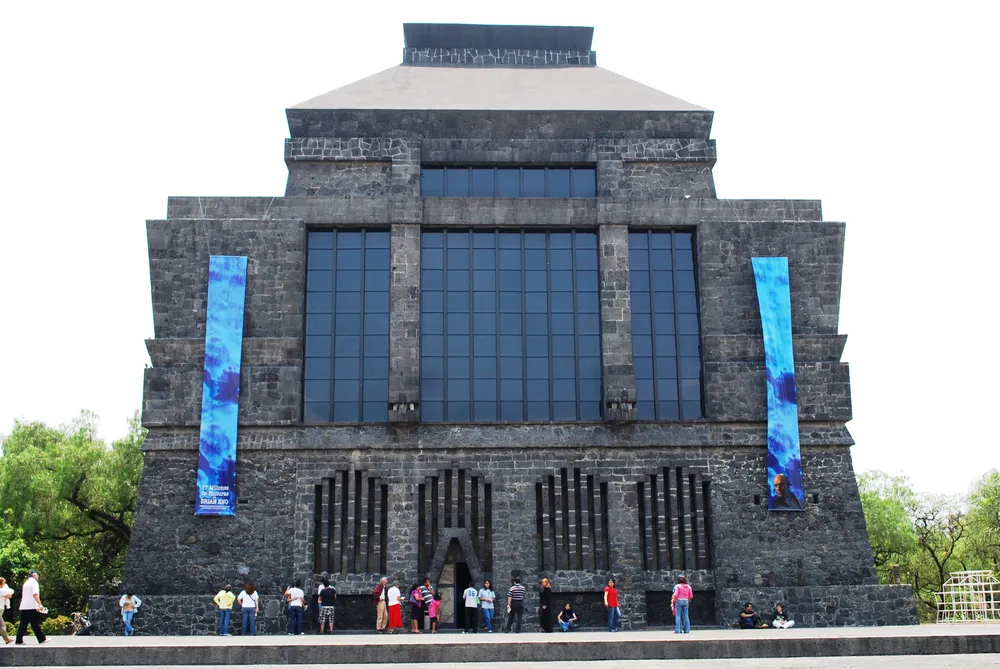
The Anahuacalli (from the Nahuatl word, whose meaning is "house surrounded by water"), is a temple of the arts designed by the Mexican muralist Diego Rivera. This museum stands out for its extensive collection of pre-Columbian art, as well as for its Ecological Space that protects endemic flora and fauna. Rivera designed its architecture in order to safeguard his vast collection of pre-Hispanic pieces, while exhibiting the most beautiful works of this set in the museum's main building. Accordingly, a selection of 2,000 artworks, especially well executed and preserved, has been on display since the opening of the Anahuacalli to the public on September 18, 1964.
The extravagant architecture of the building is inspired by Mesoamerican structures, with a unique style of its kind that mixes Mayan and Toltec influences mainly, although Rivera himself defined it as an amalgamation of Aztec, Mayan and "Traditional Rivera" styles. The Anahuacalli Museum building is erected with carved volcanic stone, extracted from the same place where it stands. According to the words of the Tabasco museographer and poet Carlos Pellicer, who designed the museum's permanent exhibition at the express indication of Rivera himself, the Anahuacalli responds to the following description:
"It is a personal creation using pre-Hispanic elements, mainly from Toltec architecture and some of the Mayan: sloped walls, serpentine pilasters and rhomboid doors. The pyramidal crown accentuates the magnificent character of the building.
The flat ceilings on the ground floor and the upper floors are decorated with original mosaics by the great painter, which are elements that are integrated into the architecture.
內容改寫自 Wikipedia (CC BY-SA)。照片來自 Wikimedia Commons.